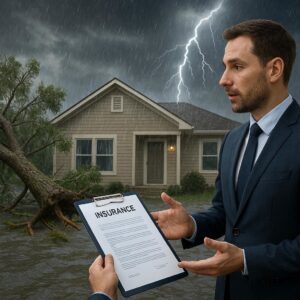
When a massive storm floods your basement, a lightning strike sets your roof ablaze, or a freak hailstorm demolishes your car, you’re facing more than just a disaster. You’re confronting a common insurance clause known as an Act of God. This phrase, both dramatic and vague, sits at the heart of some of the most confusing and contentious insurance claims. Understanding what it means, how it affects your coverage, and what you can do about it is not just helpful—it’s essential for every policyholder.
This guide will demystify the concept, stripping away the legal jargon to give you a clear, actionable understanding. We’ll explore what insurers classify as an Act of God, what they typically don’t, and the crucial steps you can take to ensure you’re not left footing the bill when nature unleashes its fury.
Acts of God in Insurance Claims
TABLE OF CONTENTS
ToggleWhat Exactly Is an “Act of God” in Insurance Terms?
In the world of insurance, an Act of God isn’t a theological event. It’s a legal and contractual term used to describe a sudden, severe, and unexpected natural event that is outside human control and could not have been prevented by reasonable care or foresight. The core principles are unpredictability and inevitability.
As one veteran insurance adjuster puts it: “We’re not looking for divine intervention on the claim form. We’re determining if the event was so extraordinary and outside of normal circumstances that no person could have realistically been expected to foresee or prevent the damage.”
This definition is critical because it establishes the insurer’s liability—or lack thereof. If damage is caused by an Act of God and your policy doesn’t specifically cover it, your claim may be denied.
Key Characteristics of an Insurance Act of God:
-
Natural Origin: The event must arise from natural forces (e.g., weather, seismic activity).
-
Extraordinary and Unforeseeable: It must be outside the normal range of expectations for the area.
-
Outside Human Control: No human action caused or could have prevented the event.
-
Inevitable and Irresistible: It could not have been avoided through due care or preparation.
Common Examples of Acts of God (And What’s Usually Covered)
Insurance policies, particularly homeowners and comprehensive auto insurance, often cover many perils considered Acts of God. However, coverage is never universal and always depends on the specific policy language.
Typically Covered Events:
-
Lightning Strikes: Direct damage from a lightning hit (e.g., fire, electrical surge damage) is a standard covered peril in most homeowners policies.
-
Windstorms, Hurricanes, and Tornadoes: Damage from high winds, fallen trees, and debris is generally covered. Note: Some policies in hurricane-prone areas may have separate, higher deductibles for wind/hurricane damage.
-
Hail: Damage to roofs, siding, windows, and vehicles from hailstorms is commonly covered.
-
Earthquakes: Crucially, this is a major exception. Standard homeowners policies do not cover earthquake damage. This requires a separate endorsement or policy.
-
Volcanic Eruption: Surprisingly, standard policies often cover damage from volcanic ash, lava flow, or shockwaves. However, like earthquakes, this may be excluded in high-risk zones.
-
Sudden & Accidental Freezing: If a pipe in your heated home freezes and bursts due to an extreme, unexpected cold snap, the resulting water damage is usually covered.
The Gray Areas and Common Exclusions:
-
Flooding: This is the most significant exclusion. Standard homeowners and renters policies do not cover flood damage. This includes flooding from overflowing rivers, storm surge, or heavy, sustained rain that leads to ground saturation and intrusion. Flood insurance must be purchased separately, often through the National Flood Insurance Program (NFIP).
-
Landslides & Mudflows: Typically excluded from standard policies. Mudflow may be covered under some flood insurance policies, but landslides usually require specialized coverage.
-
Tsunamis: Treated as flooding and therefore excluded from standard policies.
-
“Acts of War” or Nuclear Hazards: These are universally excluded.
-
Neglect: Damage resulting from a failure to maintain your property (e.g., a leaky roof that finally gives way during a rainstorm) is not considered an Act of God and is not covered.
Comparison Table: Common Natural Events & Typical Insurance Status
| Natural Event | Typically Covered in Standard Homeowners Policy? | Key Notes & Exceptions |
|---|---|---|
| Windstorm/Hurricane | Often Yes | Separate wind/hail deductible may apply, especially in coastal states. |
| Lightning | Yes | One of the most straightforward covered perils. |
| Hail | Yes | Coverage for both structure and personal property is common. |
| Earthquake | No | Requires a separate endorsement or policy. |
| Flood | No | Must purchase separate flood insurance (NFIP or private). |
| Volcanic Eruption | Often Yes | Check policy for specific exclusions in volcanic regions. |
| Tsunami | No | Classified as flooding; requires flood insurance. |
| Landslide | No | Considered earth movement; very specialized coverage needed. |
How Insurance Companies Assess an Act of God Claim
When you file a claim for damage from a major storm or natural event, the insurance company’s adjuster follows a specific investigative process to determine if the cause qualifies as a covered peril.
-
Investigation of Cause: The adjuster’s first job is to establish the proximate cause of the damage. Was it the wind (likely covered) or the flood water that followed (likely not covered)? This distinction is everything.
-
Review of Policy Language: They meticulously review your policy’s “Perils Insured Against” section (typically HO-3 form for homeowners) and, just as importantly, the “Exclusions” section.
-
Assessment of Preventability: Could the damage have been prevented with reasonable maintenance? A tree with severe root rot falling in a mild breeze is different from a healthy tree felled by hurricane-force winds.
-
Determination of Suddenness vs. Gradual Damage: Insurance is designed for sudden, accidental losses. Gradual damage, like long-term water seepage, is almost never covered, even if the final failure happens during a storm.
Important Note for Readers: “The single biggest mistake policyholders make is assuming ‘natural disaster’ equals automatic coverage. Your policy is a contract of specific inclusions and exclusions. Knowing the difference between a covered ‘windstorm’ and an excluded ‘flood’ can save you tens of thousands of dollars and immense heartache.” – Insurance Law Expert
Your Action Plan: Filing a Successful Act of God Claim
If disaster strikes, being prepared and proactive can make the claims process smoother and more successful.
Step-by-Step Claims Process:
-
Ensure Immediate Safety: Protect yourself and your family first. Avoid dangerous structures and downed power lines.
-
Mitigate Further Damage: This is both a civic duty and often a policy requirement. Take reasonable steps to prevent additional loss (e.g., place a tarp on a damaged roof, board up broken windows). Keep receipts for any materials purchased for temporary repairs.
-
Document Everything Thoroughly:
-
Photos & Video: Take extensive, clear photos and videos of all damage from multiple angles, both wide shots and close-ups. Do this before any cleanup or temporary repairs.
-
Inventory: Create a detailed list of damaged or destroyed personal property, including descriptions, approximate age, and value if possible.
-
Chronology: Write down a timeline of the event as you experienced it.
-
-
Notify Your Insurer Promptly: Contact your insurance company or agent as soon as possible to start the claim. Be clear and factual about what happened.
-
Prepare for the Adjuster’s Visit: Have your documentation ready. Walk the adjuster through the damage, pointing out everything. Be present for their inspection if you can.
-
Keep Detailed Records: Log all communication with your insurer—dates, times, names, and summaries of conversations. Save all emails and letters.
-
Review the Settlement Offer Carefully: The adjuster will provide an estimate for repairs. Ensure it aligns with contractor quotes you may receive. You have the right to negotiate if you believe the offer is insufficient.
Proactive Protection: How to Ensure You’re Covered Before Disaster Strikes
-
Annual Policy Review: Don’t just auto-renew. Each year, sit down with your agent to discuss your coverage limits, deductibles, and any new exclusions.
-
Understand Your Exclusions: Ask point-blank: “Does my policy cover flood? Earthquake? Sewer backup? What is my deductible for wind/hail?”
-
Consider Critical Endorsements:
-
Flood Insurance: Even if you’re not in a high-risk zone. Over 20% of flood claims come from moderate-to-low-risk areas.
-
Sewer/Water Backup Coverage: Often excluded, but crucial if heavy rain overloads municipal systems.
-
Ordinance or Law Coverage: Helps pay for the increased cost of rebuilding to updated building codes.
-
-
Maintain a Home Inventory: Use a smartphone app or a cloud-based document to store photos, receipts, and serial numbers of your valuables. Store this inventory off-site or in the cloud.
-
Fortify Your Home: Mitigation measures like hurricane shutters, reinforced roofing, or sump pumps can not only prevent damage but sometimes qualify you for premium discounts.
Frequently Asked Questions (FAQ)
Q: If a tree from my neighbor’s property falls on my house during a storm, whose insurance pays?
A: Typically, your homeowners insurance policy would cover the damage to your home. The event is considered an Act of God (the storm), meaning your neighbor is not liable unless you can prove their negligence (e.g., the tree was dead and they knew about it but did nothing). Your insurer would then pay to repair your home, minus your deductible.
Q: Does “Act of God” coverage apply to my car?
A: Yes, but under a different part of your auto policy. Damage to your vehicle from hail, flooding, fallen trees, or lightning would be covered under the comprehensive coverage portion of your auto insurance, not collision. You must have purchased comprehensive coverage to be protected.
Q: What happens if my claim is denied because the insurer says it’s an excluded Act of God?
A: First, request a written explanation citing the specific policy language used for the denial. Review it carefully. You can appeal the decision with your insurer, providing additional documentation or evidence. If that fails, you can contact your state’s Department of Insurance for assistance or consult with a public adjuster or attorney who specializes in insurance disputes.
Q: Is a pandemic like COVID-19 considered an Act of God in business insurance?
A: This has been a major legal battleground. Most standard business interruption policies require “direct physical damage” to the premises to trigger coverage. Insurers have largely argued that viruses do not cause this type of damage, and many policies now include specific exclusions for viruses or pandemics. Court outcomes have varied, but blanket coverage for pandemic-related losses under traditional policies is rare.
Conclusion
Navigating an Act of God insurance claim requires understanding that coverage is not automatic for every natural disaster. The distinction between covered perils like wind and excluded ones like flood is paramount. Your success hinges on knowing your policy’s specifics, documenting damage meticulously, and taking proactive steps to fill common coverage gaps. By treating your insurance as a dynamic part of your financial safety net, you can face nature’s unpredictability with far greater confidence and security.
Additional Resources
-
Federal Emergency Management Agency (FEMA) – FloodSmart.gov: The official source for information on flood risk and the National Flood Insurance Program (NFIP).
-
Insurance Information Institute (III): A non-profit organization offering extensive consumer guides on all types of insurance, including natural disasters.
-
Your State’s Department of Insurance: Regulates the insurance industry in your state and provides consumer assistance, including help with filing complaints or understanding your rights.