You’ve finally finished orthodontic treatment, and your smile is perfect. Now, your orthodontist tells you the crucial final step: getting a retainer. This essential device keeps your teeth from shifting back. But if you don’t have dental insurance, a common and immediate question arises: how much do retainers cost without insurance?
The short answer is that the out-of-pocket cost for a retainer without insurance can range from $100 to $800 or more, depending on the type you need. While that’s a broad range, this guide will break down every factor, compare all your options, and provide realistic strategies to manage this important investment in your long-term oral health. Think of a retainer not as an optional extra, but as the lock on the door of your straight smile—without it, all the hard work and investment can slowly reverse.
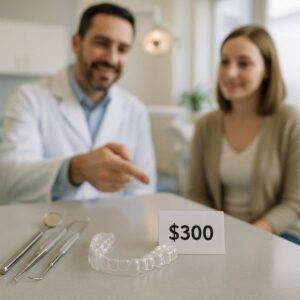
How Much Do Retainers Cost Without Insurance
Understanding the Role and Necessity of a Retainer
Before we dive into costs, it’s vital to understand why a retainer is non-negotiable. Orthodontic treatment moves your teeth into a new position. The bone and gum tissues around them need time to remodel and stabilize. Retainers hold your teeth in this new, correct alignment during this critical period.
As one leading orthodontist puts it: “The retainers are the most important part of treatment. The braces move the teeth, but the retainers keep them there for a lifetime.” Skipping your retainer can lead to relapse, where teeth gradually shift back toward their original crooked positions, often within just a few months.
Comprehensive Breakdown: Retainer Types and Their Costs
The single biggest factor affecting your retainer cost is the type prescribed. Here’s a detailed look at the most common options.
1. Removable Retainers
These are the most traditional and often the most affordable option upfront. You take them out to eat and clean your teeth.
a) Hawley Retainers
Made of an acrylic plate that sits against the roof of your mouth (or behind your lower teeth) with a wire that runs across the front of your teeth.
-
How Much Without Insurance: $150 – $500 per arch.
-
Pros: Durable, long-lasting (5-10+ years with care), adjustable by your orthodontist if minor tooth movement is needed.
-
Cons: More noticeable due to the wire, can slightly affect speech initially, the acrylic can break.
b) Clear Plastic (Essix) Retainers
These look like thin, clear Invisalign aligners. They are vacuum-formed over a model of your straight teeth.
-
How Much Without Insurance: $100 – $350 per arch.
-
Pros: Nearly invisible, comfortable, no metal wires. Often the cheapest initial option.
-
Cons: Less durable than Hawley retainers (prone to cracking and wear, typically lasting 1-3 years), not adjustable, can become discolored.
2. Permanent (Fixed or Bonded) Retainers
This is a thin, custom-shaped wire that is bonded (glued) to the back of your front teeth, usually from canine to canine. It is not removable by the patient.
-
How Much Without Insurance: $250 – $800 per arch.
-
Pros: Provides 24/7 retention without you having to remember to wear it. Completely hidden from view.
-
Cons: Can make flossing more challenging (requires special tools like floss threaders), may occasionally break or debond, needs professional removal. The longevity is high but not infinite.
Comparative Cost Table: Retainer Types Without Insurance
| Retainer Type | Avg. Cost Per Arch (No Insurance) | Typical Lifespan | Key Considerations |
|---|---|---|---|
| Clear Plastic (Essix) | $100 – $350 | 1 – 3 years | Affordable upfront, invisible, but needs frequent replacement. |
| Hawley | $150 – $500 | 5 – 10+ years | Durable & adjustable, more noticeable, good long-term value. |
| Permanent (Bonded) | $250 – $800 | 5 – 10+ years (or until debond) | “Forget-about-it” retention, hygiene requires more effort. |
Factors That Influence Your Final Retainer Bill
Why is there such a wide price range? Several variables come into play:
-
Geographic Location & Practice Overhead: An orthodontist in a major metropolitan area with high office rent will likely charge more than one in a suburban or rural town.
-
Orthodontist vs. General Dentist: An orthodontist is a specialist with 2-3 years of additional training. Their fees for taking impressions, designing, and fitting a retainer are typically higher than a general dentist’s. However, for complex cases, the specialist’s expertise is often worth it.
-
Case Complexity: If your initial orthodontic treatment was particularly complex, the retainer design might also be more customized, potentially increasing cost.
-
Materials Used: Higher-grade, hypoallergenic, or more durable plastics and wires can increase the price.
-
The Need for a Replacement vs. First-Time Retainer: Getting your very first retainer after braces is part of the stabilization phase. Ordering a replacement years later because you lost or broke yours is often a separate, out-of-pocket fee that can sometimes be higher.
The Real Cost of Not Getting a Retainer
When weighing the price, consider the alternative. Teeth can shift noticeably within months of stopping retainer use. The cost of regaining that lost progress is far higher:
-
A new round of orthodontic treatment (braces or clear aligners) can cost $3,000 to $8,000+.
-
Corrective treatments like reshaping teeth (enameloplasty) or restorations (veneers) to mask minor shifting are also expensive.
Investing in a proper retainer is the most cost-effective way to protect your orthodontic investment for a lifetime.
Smart Ways to Save on Retainer Costs Without Insurance
Paying out-of-pocket doesn’t mean you’re without options. Here are practical strategies:
-
Ask About Payment Plans: Most orthodontic offices are accustomed to large out-of-pocket expenses and offer in-house, interest-free payment plans. Don’t hesitate to ask.
-
Discuss All Options Upfront: Have a candid conversation with your provider. “I am paying without insurance. What is the most cost-effective, durable retainer option for my long-term needs?” They may recommend a Hawley for its longevity over a cheaper Essix that needs replacing every two years.
-
Consider Dental Savings Plans: These are not insurance, but membership plans (like Careington or Aetna Dental Savings) that offer a 15-50% discount on procedures at participating dentists for an annual fee ($80-$150). Check if your provider participates.
-
Use a Flexible Spending Account (FSA) or Health Savings Account (HSA): If your employer offers these, you can use pre-tax dollars to pay for your retainer, saving you 20-30% depending on your tax bracket.
-
Get a Second Opinion: Consult another orthodontist or general dentist for a comparative quote. However, prioritize quality and proper fit over the absolute lowest price. A poorly made retainer is a waste of money.
-
Practice Meticulous Care: This is the best long-term savings plan. Proper cleaning, storing your retainer in its case when not in your mouth, and avoiding hot water or harsh cleaners will maximize its lifespan.
Important Note for Readers: Be extremely cautious of extremely cheap online retainer services that ask for DIY impressions. A retainer is a medical device. An ill-fitting retainer from an unregulated source can apply harmful pressure, damage your bite, cause jaw pain, and lead to expensive corrective dental work. Always have a retainer made and fitted by a licensed dental professional who has examined your mouth.
Additional and Ongoing Costs to Budget For
Your initial purchase isn’t the only potential expense.
-
Replacements: Even with perfect care, removable retainers wear out. Budget for a replacement every few years. Some offices offer “lifetime retainer” guarantees for a one-time fee, which can be a good value.
-
Adjustments & Repairs: Permanent retainers can break; Hawley retainers can be adjusted. There may be a small fee for these visits ($25-$100).
-
Professional Cleaning: With a permanent retainer, regular professional cleanings are crucial to prevent plaque buildup around the wire.
Conclusion
The cost of a retainer without insurance is a direct investment in preserving your healthy, straight smile. While prices range from a few hundred to several hundred dollars, this upfront cost pales in comparison to the expense and hassle of correcting relapsed teeth. By understanding the types of retainers, factors that affect pricing, and smart strategies to manage the cost, you can make a confident, informed decision to protect your orthodontic results for years to come.
Frequently Asked Questions (FAQ)
Q: Is it cheaper to get a retainer from my dentist instead of an orthodontist?
A: Often, yes. A general dentist may charge less for a basic clear or Hawley retainer. However, for complex cases or if you had comprehensive orthodontic treatment with an orthodontist, it’s best to have them fabricate the retainer as they understand the precise finishing of your case.
Q: How often will I need to replace my retainer?
A: It depends on the type and care. Clear plastic retainers typically last 1-3 years. Hawley retainers can last 5-10 years or longer. Permanent retainers can last decades but may need rebonding if the glue fails.
Q: Can I use my old retainer if my teeth have shifted a little?
A: No. Do not force an old retainer onto teeth that have moved. This can cause significant pain, damage roots, or crack the retainer. See your dentist or orthodontist for a new impression and a properly fitted retainer.
Q: Does medical insurance ever cover retainers?
A: Almost never. Retainers are considered a dental/orthodontic appliance. Some very rare medical cases (like post-cleft palate surgery) might have coverage, but it’s an exception.
Additional Resource
For more information on oral health and dental appliances, a trustworthy source for patient education is the American Dental Association (ADA) website at MouthHealthy.org. They provide unbiased information on a wide range of dental topics, including post-orthodontic care.