So, you’ve bought a jet ski—or you’re about to. Whether it’s for carving up waves on the lake or enjoying coastal adventures, the thrill is calling. But before you hit the water, there’s a practical matter to consider: insurance. Understanding the average jet ski insurance cost is crucial for budgeting and ensuring you have the right protection. But that “average” can be tricky. It’s like asking for the average cost of a car; a used compact and a new luxury sedan are worlds apart.
This guide will cut through the guesswork. We’ll explore the real factors that determine your premium, provide clear, realistic price ranges, and give you expert tips to secure the best coverage without overpaying. Think of this as your essential pre-launch checklist.
Average Jet Ski Insurance Cost
What is Jet Ski Insurance and Why Do You Need It?
First things first, a jet ski is not a toy in the eyes of the law or insurance companies. It’s a recreational watercraft, specifically a type of personal watercraft (PWC). Standard homeowners or renters insurance policies often have severe limitations or outright exclusions for PWCs, especially for liability on the water.
Jet ski insurance is a specialized policy that fills this gap. It typically combines several key coverage types into one package:
-
Liability Coverage: This is the most critical part. If you’re at fault in an accident and injure someone or damage another boat, dock, or swim platform, this covers the other party’s medical bills and repair costs, plus your legal defense.
-
Physical Damage Coverage: This covers repairs to your own jet ski if it’s damaged in a collision, hits a submerged object, or is stolen or vandalized. You’ll choose between “Actual Cash Value” (depreciated value) and “Agreed Value” (a set amount).
-
Medical Payments: Covers medical expenses for you and your passengers, regardless of who is at fault.
-
Uninsured/Underinsured Watercraft Bodily Injury: Protects you if you’re hit by an uninsured or under-insured rider.
“Many boat owners discover the hard way that their homeowner’s policy offers little to no protection on the water. A dedicated watercraft policy isn’t just about protecting your asset; it’s about shielding your entire financial well-being from a single accident.” – Michael Kelly, Marine Insurance Specialist.
Important Note: In many states, marinas and loan companies will require you to carry a minimum level of liability and physical damage coverage, especially if you are financing your PWC.
Breaking Down the Average Jet Ski Insurance Cost: Real Numbers
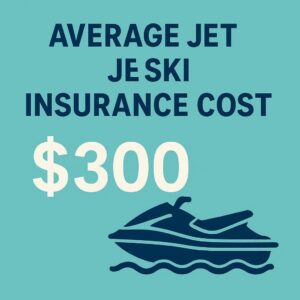
Let’s get to the heart of the matter. The national average jet ski insurance cost typically falls between $300 and $700 per year for a standard policy with good coverage limits. However, this is a vast range because your actual premium is a personalized calculation.
To give you a more concrete picture, here’s a comparative table based on common rider and craft profiles:
| Jet Ski & Rider Profile | Estimated Annual Premium Range | Key Influencing Factors |
|---|---|---|
| New Rider / First-Time Owner Riding a 3-year-old, mid-power model (e.g., Sea-Doo Spark). |
$400 – $600 | Higher due to lack of experience and safety course discounts. May finance, requiring full coverage. |
| Experienced Rider Riding a 5-year-old, high-performance model (e.g., Yamaha FX Cruiser HO). |
$350 – $550 | Experience discount applies. Higher value and horsepower keep premium in mid-range. |
| Owner of a New Luxury Model Brand new supercharged model (e.g., Kawasaki Jet Ski Ultra 310). |
$600 – $1,000+ | High agreed value, maximum horsepower, and often a requirement for full coverage by the lender. |
| Secondary/Seasonal Rider Older, lower-value model used only a few weeks a year. |
$200 – $400 | Lowest usage, lower value, and possibility of liability-only coverage reduce cost significantly. |
Table: Estimated annual insurance premiums based on common scenarios. Your quote will vary.
As you can see, the “average” quickly becomes personal. A basic liability-only policy for an old, paid-off jet ski could be under $150 a year, while full coverage on a brand-new, top-of-the-line triple-engine model could exceed $1,200.
The Real Cost Drivers: What Determines Your Premium?
Insurance companies use a detailed algorithm to assess risk. Here are the primary factors that move the needle on your jet ski insurance price:
-
Your Jet Ski’s Value, Age, and Horsepower: This is the biggest driver. A newer, more expensive model costs more to repair or replace. Higher horsepower models are statistically involved in more severe accidents, leading to higher premiums.
-
Your Riding Experience and Age: Just like auto insurance, insurers reward experience. A rider with 10 years of claim-free history will pay less than a first-time buyer. Younger riders (especially under 25) face significantly higher rates.
-
Your Location and Storage: Where you ride and store the PWC matters. A high-traffic coastal area with higher theft rates or severe weather risks will cost more than a quiet inland lake. Storing it in a locked, secure facility or garage earns you a discount versus leaving it on a dock.
-
Your Coverage Selections: Your choices directly impact cost.
-
Deductible: A higher deductible (e.g., $1,000 vs. $500) lowers your premium.
-
Coverage Type: “Agreed Value” is more expensive than “Actual Cash Value.”
-
Liability Limits: Increasing your liability limit from $100,000 to $300,000 or $500,000 increases the cost, but is often recommended for better protection.
-
-
Your Claims and Driving History: A history of claims on any insurance (auto, home, etc.) or violations (especially BUI – Boating Under the Influence) will increase your premium.
-
Usage: How often and how far you ride. Insurers may ask for estimated annual hours or mileage.
How to Save on Your Jet Ski Insurance Premium
Getting the right coverage doesn’t mean you have to pay top dollar. Here are actionable strategies to reduce your average jet ski insurance cost:
-
Take an Accredited Safety Course: Completing a course from the U.S. Coast Guard Auxiliary, U.S. Power Squadrons, or a state-approved provider is the single best way to get a discount, often 5-15%. It also makes you a safer rider.
-
Bundle Your Policies: The most reliable savings come from bundling your jet ski insurance with your auto and home policies with the same provider. Multi-policy discounts are substantial.
-
Choose a Higher Deductible: If you can afford a higher out-of-pocket cost in the event of a claim, opting for a $1,000 deductible can noticeably lower your annual premium.
-
Pay in Full Annually: Avoid monthly installment fees by paying your premium in one lump sum at the start of the season.
-
Shop Around and Compare: Get quotes from at least three different providers. Consider both major marine insurers and companies that specialize in Powersports.
-
Ask About Lay-Up Periods: If you live in a seasonal climate, you can suspend liability during the months your jet ski is in winter storage (keeping comprehensive for theft/fire), which lowers your cost.
Helpful List: Questions to Ask When Getting a Quote
-
What is the exact coverage (liability, medical, physical damage) and what are the limits?
-
Is the physical damage coverage “Agreed Value” or “Actual Cash Value”?
-
What is the deductible for collision and other perils?
-
Are there any discounts I qualify for (safety course, multi-policy, etc.)?
-
Does the policy include towing and assistance on the water?
-
How are claims handled, and is there a 24/7 claims service?
Conclusion
The average jet ski insurance cost is a helpful starting point, but your actual premium will be a unique blend of your craft’s power, your experience, and your coverage choices. By understanding the cost drivers—from horsepower to your safety course certificate—and actively shopping for discounts, you can secure robust protection that fits your budget. Ultimately, the right insurance isn’t an optional expense; it’s the essential gear that lets you ride with peace of mind, knowing you’re protected against the unexpected on the water.
Frequently Asked Questions (FAQ)
Q: Is jet ski insurance legally required?
A: It depends on your state. Most states do not mandate insurance for jet skis, but many require some form of financial responsibility, which insurance satisfies. However, if you finance your jet ski, have a loan, or dock at a marina, you will almost certainly be required to carry it.
Q: Can I just add my jet ski to my homeowners insurance?
A: It’s possible, but often not advisable. Homeowners policies usually offer minimal, if any, liability coverage for watercraft and may have low limits or exclusions for physical damage. A standalone PWC policy provides broader, deeper protection specifically designed for the risks of boating.
Q: Does my credit score affect my jet ski insurance rate?
A: In most states, yes. Insurance companies often use credit-based insurance scores as a factor in determining risk, finding a correlation between credit history and the likelihood of filing a claim.
Q: What is the difference between “Agreed Value” and “Actual Cash Value”?
A: Agreed Value means you and the insurer agree on the jet ski’s value at the start of the policy. If it’s a total loss, you get that amount (minus deductible). Actual Cash Value pays the market value at the time of the loss, which includes depreciation. Agreed Value costs more but provides more predictable coverage.
Additional Resource
For the most authoritative information on boating safety courses and to find a certified instructor near you, visit the U.S. Coast Guard Boating Safety Resource Center (https://www.uscgboating.org/). Investing a few hours in education is the best way to become a safer rider and save money on your insurance for years to come.