Navigating health insurance can be complex, but for members of the International Brotherhood of Electrical Workers (IBEW), the system is built on a foundation of collective bargaining and solidarity. If you’re wondering about IBEW health insurance cost, the answer isn’t a single number. Unlike individual market plans, your coverage is a negotiated benefit, a crucial part of your total compensation package designed to provide robust protection for you and your family.
This guide will demystify how your health insurance works, what influences its cost structure, and how you can maximize this invaluable benefit. We’ll explore the typical models, what you can expect to pay, and the unique advantages of being part of the IBEW brotherhood and sisterhood.
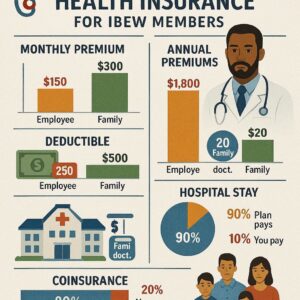
IBEW Health Insurance Cost
How IBEW Health Insurance is Structured: The Trust Fund Model
At the heart of most IBEW health coverage is the Joint Labor-Management Trust Fund. This is a critical concept to understand, as it defines how your benefits are funded and administered.
“Our health and welfare trust is more than just an insurance plan; it’s a promise. It’s the result of generations of members standing together at the bargaining table to secure not just good wages, but true security for our families,” notes a veteran IBEW Local business manager.
These trust funds are established through collective bargaining agreements (CBAs) between your local union and the National Electrical Contractors Association (NECA) or other employer groups. Contributions to the fund are made by your employer on your behalf, based on the hours you work.
Key Features of the Trust Fund Model:
-
Employer-Paid Contributions: Your employer pays a fixed dollar amount per hour worked into the health and welfare trust. This is not deducted from your paycheck; it is an employer cost on top of your wage.
-
Pooled Resources: All contributions go into a single, large pool. This collective buying power allows the trust to negotiate better rates and more comprehensive coverage than any individual could alone.
-
Member-Focused Governance: The trust is typically overseen by a board of trustees—an equal number of union and management representatives—who are legally obligated to manage the fund for the sole benefit of members and their families.
Breaking Down the Cost: Premiums, Deductibles, and Out-of-Pocket
When discussing IBEW health insurance cost, we need to look at it from two angles: the cost to the fund (funded by employer contributions) and the potential cost to you (out-of-pocket expenses).
The Employer Contribution (Your “Premium”)
You don’t pay a monthly premium in the traditional sense. Instead, your eligibility and coverage are maintained by your employer’s hourly contributions. The rate is set in your CBA (e.g., $10.50 per hour worked). If you work enough hours to meet the fund’s eligibility rules (often a monthly or quarterly threshold), you and your dependents are covered.
Important Note: If you are short on hours, you may be offered the option to self-pay (make a COBRA-like payment) to the fund to maintain continuous coverage. This cost can be significant and is a direct out-of-pocket expense.
Common Member Cost-Sharing Structures
While the base coverage is employer-funded, most plans include some level of cost-sharing. These are your key out-of-pocket costs:
| Cost Element | What It Is | Typical IBEW Plan Range | What It Means for You |
|---|---|---|---|
| Deductible | Amount you pay for covered services before the plan starts to pay. | $250 – $1,000 (often $0 for in-network preventive care) | You pay 100% for most services until you hit this amount. |
| Co-payment (Co-pay) | A fixed fee for specific services (e.g., doctor visit, prescription). | $15 – $50 for PCP/specialist visits; $10-$75 for prescriptions (tiered) | Predictable cost each time you use that service. |
| Coinsurance | Your share of costs after deductible, shown as a percentage. | 10% – 20% for in-network care | You pay this percentage; the plan pays the rest. |
| Out-of-Pocket Maximum | The most you’ll pay in a year for covered services. | $2,000 – $6,000 for individual | A critical safety net. Once you hit this limit, the plan pays 100%. |
Factors That Influence Your Personal IBEW Health Insurance Cost
Your individual out-of-pocket expenses can vary based on several factors:
-
Your Local Union and CBA: Benefit levels are determined locally. A strong, busy local may negotiate a richer plan with lower deductibles than a smaller local.
-
Plan Design Type: Most IBEW funds offer PPO or POS plans, giving you flexibility to see specialists without referrals. HMO-style options may have lower co-pays but a stricter network.
-
Level of Coverage: Are you enrolling as a Member Only, Member + Spouse/Domestic Partner, Member + Child(ren), or Family? Employer contributions are usually the same regardless, but some funds may have a small additional surcharge for full family coverage.
-
Your Healthcare Usage: A member with a chronic condition requiring regular specialist visits and medications will have higher annual costs than a member who only needs annual check-ups.
-
Network Adherence: Staying within the plan’s preferred provider network (e.g., Cigna, Aetna, UHC) is the single biggest factor in controlling your costs. Out-of-network care is drastically more expensive.
Maximizing Your Benefits and Minimizing Your Costs
Being an informed member is the best way to get the most value from your health plan.
-
Know Your Plan Documents: Request the official Summary Plan Description (SPD) from your local fund office. It’s your blueprint for coverage.
-
Use Preventive Services: These are almost always 100% covered (no deductible, no co-pay). Annual physicals, immunizations, and screenings save money and lives.
-
Stay In-Network: Always verify a provider is in-network before booking an appointment. Use the plan’s online directory or call.
-
Understand Your Rx Benefits: Use generic drugs when available. Use mail-order pharmacies for maintenance medications (90-day supplies often cost less).
-
Ask About Wellness Programs: Many trusts offer incentives—like gift cards or reduced premiums—for completing health assessments, quitting smoking, or joining a gym.
Frequently Asked Questions (FAQ)
Q: Do I pay a monthly premium for my IBEW health insurance?
A: Typically, no. Your coverage is funded by your employer’s hourly contributions to the trust fund, as negotiated in your collective bargaining agreement. You maintain eligibility by working the required hours.
Q: What happens to my insurance if I’m laid off or between jobs?
A: Most trusts have “hour banks” or eligibility periods. You may have coverage for several months after your last worked hour. If you exhaust this, you will be offered continuation coverage (similar to COBRA), which you must self-pay at the full group rate, which can be costly.
Q: Can I keep my IBEW insurance when I retire?
A: Many IBEW locals have a separate Retirement Health Savings (RHS) fund or provide provisions for retiree medical coverage, but it is not universal. You must check with your local fund office. Most retirees transition to Medicare at 65, with the union plan often acting as a supplemental coverage.
Q: Are dental and vision included?
A: Most IBEW health and welfare trusts include robust dental and vision benefits as part of the same package, often with set co-pays for cleanings, exams, and allowances for glasses or contacts.
Q: Who do I call if I have a problem with a claim or need help?
A: Your first point of contact is the Administrator of your local Health and Welfare Trust Fund. Their contact information should be on your membership card and plan documents. They are your dedicated advocates.
Additional Resources
-
Your Local IBEW Union Hall: The business manager, president, or fund office staff are your most direct and knowledgeable resources.
-
International IBEW Website: Offers general resources and can help direct you to your local.
-
U.S. Department of Labor – Employee Benefits Security Administration (EBSA): Provides educational information on your rights under employer-sponsored health plans (ERISA).
Conclusion
The cost of IBEW health insurance is a shared commitment, reflecting the union’s core value of looking out for one another. While your out-of-pocket expenses depend on your usage and plan design, the foundational coverage is a hard-won benefit that provides immense security. By understanding how your trust fund works, using in-network providers, and taking full advantage of preventive care, you can ensure you and your family get the greatest possible value from this essential piece of your compensation.
Final Thought: Your health benefits are a non-negotiable part of the IBEW standard. They represent the difference between just a job and a career with dignity and security. Protect them, understand them, and use them wisely.