For many in Milwaukee, the decision to pursue a serious weight loss program is a significant step toward better health. However, a major and common question looms: “What will this cost me if I don’t have insurance coverage?” Navigating the landscape of medical weight loss can be daunting, especially when paying out-of-pocket. This comprehensive guide is designed to demystify the costs, compare your options, and provide a clear, realistic financial roadmap for your health journey in the Cream City.
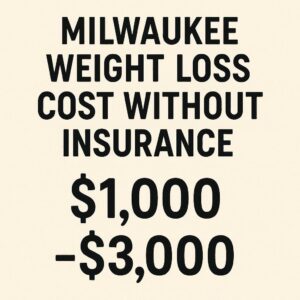
Milwaukee Weight Loss Cost Without Insurance
Understanding Your Weight Loss Options in Milwaukee
Before diving into numbers, it’s crucial to understand the spectrum of services available. “Medical weight loss” isn’t a one-size-fits-all term. In Milwaukee, it encompasses a range of programs with varying levels of medical supervision, resources, and, consequently, costs.
What Constitutes a Medical Weight Loss Program?
A true medical weight loss program is supervised by healthcare professionals—often doctors, nurse practitioners, or physician assistants specializing in obesity medicine. Unlike commercial diet plans, these programs are personalized, address underlying metabolic factors, and may include prescription medications, ongoing medical monitoring, and behavioral coaching. They are designed for sustainable, long-term health change.
Detailed Cost Breakdown of Milwaukee Weight Loss Programs (Without Insurance)
Here, we break down the primary cost categories you will encounter. Remember, these are out-of-pocket estimates, and prices can vary based on the clinic’s location (e.g., Downtown, Wauwatosa, Brookfield, Greenfield), the provider’s expertise, and the complexity of your individual plan.
Initial Consultation and Medical Assessment
Every reputable program begins here. This visit typically includes a comprehensive health review, metabolic analysis, body composition testing (like a DEXA or InBody scan), and lab work.
-
Estimated Cost Range: $150 – $400
-
What it covers: Physician/NP time, baseline testing, and development of your initial plan.
Ongoing Medical Supervision and Office Visits
This is the core recurring cost. You’ll have regular check-ins (weekly, bi-weekly, or monthly) to monitor progress, adjust plans, and manage medications.
-
Estimated Cost per Visit: $75 – $200
-
Frequency: Monthly visits might cost $100-$200, while more intensive weekly coaching sessions could be at the lower end of the range.
Prescription Weight Loss Medications
This is often the most variable and significant cost. FDA-approved medications like Semaglutide (Wegovy®, Ozempic®), Tirzepatide (Zepbound™, Mounjaro®), Liraglutide (Saxenda®), or Phentermine are commonly prescribed. Without insurance, these can be costly.
-
Estimated Monthly Cost: $300 – $1,400+
-
Key Factors: The specific medication, dosage, and pharmacy pricing. GLP-1 agonists (e.g., Wegovy, Zepbound) are on the higher end, while older medications like Phentermine are more affordable but may be less effective for some.
Meal Replacements, Supplements, and Diet Plans
Many clinics incorporate structured meal plans, which may include branded shakes, bars, or vitamin supplements.
-
Estimated Monthly Cost: $200 – $500
-
Note: This is sometimes optional or can be substituted with groceries, depending on the program.
Maintenance Programs
Successful weight loss requires a maintenance phase to sustain results. These programs usually involve less frequent visits.
-
Estimated Monthly Cost: $50 – $150
Comparative Cost Table: Milwaukee Weight Loss Pathways
| Program Type | Typical Provider | Upfront Cost | Monthly Cost (Avg.) | Key Cost Considerations |
|---|---|---|---|---|
| Medical Clinic (GLP-1 Focus) | MD/DO, NP | $200-$400 (Consult) | $800 – $1,800 | Cost driven largely by brand-name medication prices. Includes full medical supervision. |
| Medical Clinic (Traditional) | MD/DO, NP | $150-$300 (Consult) | $300 – $700 | May use older medications, more focus on diet/behavior coaching. Less drug cost burden. |
| Medi-Spa Weight Loss | Nurse, Aesthetician | $100-$250 | $400 – $900 | May offer compounded medications at lower cost. Verify medical oversight and sourcing. |
| Telehealth Platform | Remote MD/NP | $50-$150 | $300 – $1,000 | Often more affordable consults. Medication cost remains high, depends on partner pharmacy. |
| Commercial Diet (e.g., WW) | N/A | Varies by plan | $20 – $70 | No medical supervision or prescription medications included. Peer support and app-based tracking. |
Factors That Influence Your Total Cost in Milwaukee
Your final bill will be shaped by several personal and program-specific factors:
-
Your Health Profile: Complex health issues (e.g., diabetes, PCOS) may require more frequent monitoring and specialized lab work, increasing costs.
-
Medication Choice & Response: If you require a higher dose of a GLP-1 medication or don’t respond to lower-cost options, your monthly medication expense will rise.
-
Program Intensity: A rapid weight loss plan with weekly coaching and injections will cost more per month than a gradual plan with monthly check-ins.
-
Clinic Overhead: A prestigious clinic in a high-rent district may charge more for consultations than a smaller practice in a suburb.
-
Duration of Treatment: A 6-month program has a very different total cost than a 12- to 18-month journey with a maintenance phase.
How to Manage and Reduce Out-of-Pocket Expenses
Paying without insurance requires strategy. Here are actionable ways to make weight loss in Milwaukee more affordable:
-
Ask About Package Deals: Some clinics offer discounted rates if you pay for 3 or 6 months of services upfront.
-
Inquire About Compounded Medications: Some clinics work with specialized pharmacies that compound semaglutide or tirzepatide, which can be significantly less expensive than brand-name pens. Crucially, ask about the sourcing, sterility, and testing of compounded formulas.
-
Utilize Manufacturer Savings Cards: For eligible patients, manufacturers like Novo Nordisk (Wegovy) and Lilly (Zepbound) offer savings cards that can reduce monthly costs by hundreds of dollars. These often still require commercial insurance, but it’s worth investigating current offers.
-
Shop Pharmacy Prices: Use tools like GoodRx or SingleCare to compare cash prices for prescriptions at local Milwaukee pharmacies (CVS, Walgreens, local independents).
-
Focus on Clinic-First Options: Consider programs where the primary focus is intensive behavioral and nutritional counseling, using medication only as a secondary tool, if needed.
-
Use FSAs or HSAs: If you have a Flexible Spending Account (FSA) or Health Savings Account (HSA), you can typically use these pre-tax funds for eligible medical weight loss expenses, including visits and prescribed medications.
Important Note: “While cost is a critical factor, the quality and safety of your care are paramount. Always verify the credentials of your provider, ensure they conduct a thorough medical history and lab work before prescribing, and provide clear, ongoing supervision. The lowest-cost option is not always the safest or most effective in the long run.”
Alternative & Low-Cost Support Options in Milwaukee
If a full medical program is currently out of reach, consider these supportive steps:
-
Milwaukee Park System & Recreation: Utilize our incredible park system and public recreation centers for free or low-cost exercise. The Oak Leaf Trail is a fantastic resource.
-
Nutrition Counseling (Solo): Seek a one-time consultation with a registered dietitian (RD) to build a personalized eating plan. This can be a one-off cost of $100-$200 for actionable guidance.
-
Support Groups: Look for local or virtual support groups like TOPS (Take Off Pounds Sensibly) or Overeaters Anonymous, which offer community for a minimal fee.
Checklist: Questions to Ask a Milwaukee Weight Loss Clinic
Before committing, get clear answers to these financial questions:
-
What is the total estimated cost for the first 90 days, including consult, visits, and medication?
-
Do you offer any payment plans or package pricing?
-
Do you work with compounded pharmacies, and what is your protocol for ensuring their quality and safety?
-
Are there any hidden fees for lab work, supplements, or program materials?
-
What is your policy/cost if I need to pause or cancel the program?
Conclusion
The cost of weight loss in Milwaukee without insurance is a significant investment, with realistic monthly totals ranging from $300 to over $1,500 depending on your chosen path. By thoroughly researching clinics, understanding the breakdown of fees, and exploring cost-saving strategies like compounded medications or package deals, you can make an informed decision that aligns with both your health goals and your budget. Your journey to better health is invaluable, and with careful planning, it can be an achievable one.
Frequently Asked Questions (FAQ)
Q: Are there any completely free weight loss resources in Milwaukee?
A: Yes. The Milwaukee Public Library offers books and resources on nutrition and exercise. The Milwaukee Recreation Department provides free fitness events and classes periodically. Additionally, many evidence-based apps like MyFitnessPal offer robust free versions for food and activity tracking.
Q: Is medical weight loss without insurance tax-deductible?
A: Potentially, yes. If your total medical expenses (including weight loss treatment for a diagnosed medical condition like obesity) exceed 7.5% of your adjusted gross income, you may be able to deduct them. Consult with a tax professional for advice specific to your situation.
Q: How do I know if I’m a candidate for prescription weight loss medications?
A: Generally, candidates have a Body Mass Index (BMI) of 30 or higher, or a BMI of 27 or higher with at least one weight-related health condition (e.g., hypertension, type 2 diabetes, high cholesterol). Only a qualified medical professional can make this determination after a full evaluation.
Q: What’s the difference between a “med spa” and a “medical clinic” for weight loss?
A: A medical clinic is typically run by physicians or nurse practitioners with a focus on overall health, using comprehensive lab work and FDA-approved treatments. A med-spa may be more focused on aesthetics, sometimes with less intensive medical oversight, and may more frequently use compounded medications. Always research the credentials of the direct provider.