Operating a 6-pack charter boat is more than a business—it’s a passion. You navigate the waters, create unforgettable experiences for your guests, and manage a complex operation. Protecting that investment with the right insurance is non-negotiable. But when you start looking for a policy, one question rises to the surface: What does it actually cost?
The answer, like the sea itself, is variable. There’s no single price tag. However, by understanding the factors at play, you can navigate toward a policy that offers robust protection at a fair price. This guide will provide a comprehensive, realistic look at 6-pack charter boat insurance costs, helping you make an informed decision for your charter business.
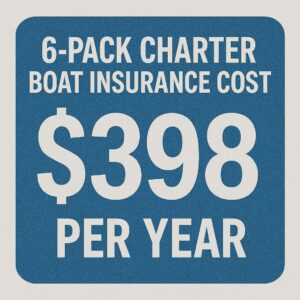
6-Pack Charter Boat Insurance Cost
TABLE OF CONTENTS
ToggleWhat is a “6-Pack” Charter License?
Before diving into costs, let’s clarify the term. A “6-pack” charter refers to a U.S. Coast Guard license that allows a captain to carry up to six paying passengers on an uninspected vessel. This is the most common entry point into the charter fishing and boating industry. Because the vessel is “uninspected” (meaning it doesn’t require a full Coast Guard inspection like a larger passenger vessel), the insurance landscape is distinct, often blending elements of commercial and recreational marine policies.
Understanding the Core Components of Your Insurance Policy
Your insurance premium is a direct reflection of the coverage you select. A basic policy is a patchwork of different protections, each with its own cost implication.
Hull & Machinery Insurance
This is the foundation, covering physical damage to your vessel itself—the hull, engine, machinery, and permanent equipment. It’s typically written on an “agreed value” basis, meaning you and the insurer agree on the boat’s value at the start of the policy.
Protection & Indemnity (P&L) Insurance
This is the most critical liability component for a charter business. It covers your legal liability for:
-
Bodily injury or illness of passengers or third parties (e.g., a swimmer).
-
Damage to other vessels or property.
-
Defense costs, even if a lawsuit is groundless.
-
Wreck removal if your vessel is sunk or stranded.
Medical Payments Coverage
This pays for reasonable medical expenses for injured persons on your boat, regardless of who is at fault. It’s a goodwill coverage that can help avoid larger liability claims.
Additional Coverages to Consider
-
Uninsured/Underinsured Boater Liability: Crucial if you’re in an accident caused by another boater with insufficient insurance.
-
Commercial Fishing Equipment: If you offer fishing charters, you can insure rods, reels, tackle, and electronics.
-
Towing and Assistance: Commercial towing can be extremely expensive.
-
Loss of Charter Income: Can replace income if your boat is laid up due to a covered loss.
Breaking Down the Cost: What Can You Expect to Pay?
Now, for the central question. We must emphasize that the following figures are national averages and estimates. Your specific quote will vary.
Average Annual Premium Range: $2,500 to $8,000+
For a typical 6-pack operation with a boat valued between $80,000 and $150,000, most owners can expect to pay within this broad range. A simple, lower-risk operation in calm inland waters might see premiums at the lower end. A high-performance boat used for offshore fishing in hurricane-prone areas will trend toward the higher end or beyond.
Comparative Cost Table: Sample Scenarios
| Vessel Profile | Typical Hull Value | Primary Use Area | Estimated Annual Premium Range | Key Cost Drivers |
|---|---|---|---|---|
| Center Console | $90,000 | Nearshore / Inshore | $2,500 – $4,500 | Lower speeds, protected waters, single engine. |
| Walkaround Cuddy | $120,000 | Coastal / Offshore (20-50 mi) | $4,000 – $6,500 | Greater exposure, more complex machinery, higher passenger liability. |
| Sportfishing Yacht | $250,000 | Extended Offshore | $7,000 – $12,000+ | High hull value, long-range navigation, significant income exposure. |
Important Note: “The cheapest policy is often the most expensive mistake you can make,” says veteran marine underwriter Sarah Jenkins. “A gap in liability coverage or an unrealistic hull valuation can bankrupt a business after a single incident. Focus on the quality and completeness of the coverage, not just the bottom-line premium.”
The 7 Key Factors That Determine Your Premium
Insurance companies are in the business of risk assessment. The following factors directly influence how they perceive the risk of insuring your 6-pack charter.
-
Vessel Specifications: The make, model, year, length, hull material (fiberglass, aluminum), and most importantly, the agreed hull value. A higher value means a more expensive potential payout for the insurer.
-
Navigation Limits: Where you operate is paramount. Is it a calm bay, nearshore coastal waters, or offshore beyond 50 miles? Wider ranges and more hazardous areas mean higher premiums.
-
Captain Experience & Credentials: Your personal maritime resume is scrutinized. Years of experience, a clean sailing record, completed safety courses (USCG Master License, CPR/First Aid, Safety at Sea), and no prior insurance claims significantly reduce your risk profile.
-
Charter Type & Passenger Risk: The activity matters. A leisurely sightseeing tour presents different risks than a high-action tuna fishing trip where passengers are handling sharp gear and battling large fish.
-
Claims History: A history of accidents or insurance claims is the single biggest red flag for insurers and will lead to substantially higher costs.
-
Safety & Mitigation Equipment: Proactive safety measures demonstrate responsibility. Having a recent safety inspection, a robust man-overboard system, EPIRB, satellite communication, and automatic fire suppression systems can earn you discounts.
-
Deductible Amount: This is the portion of a claim you pay out-of-pocket. Opting for a higher deductible (e.g., $2,500 instead of $1,000) will lower your annual premium, but you must be prepared to cover that amount if a loss occurs.
How to Save on Your 6-Pack Charter Boat Insurance
Cost control is smart business. Here are legitimate strategies to manage your premium without sacrificing essential coverage.
-
Shop Around with Specialists: Work with independent marine insurance agents who specialize in commercial boat policies. They have access to multiple “A-rated” insurers and understand the nuances of the 6-pack market.
-
Bundle Policies: If you have other business or personal insurance (e.g., waterfront property, vehicle), placing them with the same carrier can lead to a multi-policy discount.
-
Invest in Safety & Training: As mentioned, formal training and safety equipment aren’t just good practice—they’re financial assets that reduce your premium.
-
Choose Your Deductible Wisely: Analyze your cash flow. Can you comfortably handle a $2,500 deductible? If so, it’s an effective way to lower your yearly cost.
-
Pay Annually: Many insurers add a financing fee for monthly or quarterly payment plans. Paying the full annual premium upfront avoids this extra cost.
-
Maintain a Clean Record: This is the long-game strategy. Consistent, claim-free operation is the best way to keep your premiums manageable over the life of your business.
The Application Process: What You Need to Get a Quote
Being prepared streamlines the process. When you contact an agent, have this information ready:
-
Completed application form.
-
Copy of your USCG Master License.
-
Vessel survey (especially if the boat is older or you’re switching insurers).
-
Detailed description of the vessel (make, model, year, HIN, engine specs).
-
Clear description of your charter operations (passenger count, activities, range).
-
Loss history for the past 5 years.
FAQ: Your Top Insurance Questions Answered
Q: Is my recreational boat insurance enough if I start doing a few charters?
A: Absolutely not. The moment you accept payment from a passenger, you are engaged in a commercial activity. Your recreational policy will almost certainly have a “commercial use” exclusion, meaning any claim arising from a charter will be denied. You must secure a proper commercial charter policy.
Q: Can I get insurance with a new Captain’s license?
A: Yes, but you may face higher initial premiums. Insurers prefer experience. Mitigate this by highlighting any prior boating experience, completing additional safety courses, and possibly starting with a more modest vessel and navigation area.
Q: How often should I review my policy?
A: Annually, at renewal. Don’t auto-renew without a review. The value of your boat changes, you may add equipment, your experience grows, and your operational needs may evolve. An annual check-in with your agent ensures your coverage stays aligned with your business.
Q: What’s the difference between “agreed value” and “actual cash value”?
A: “Agreed Value” means you and the insurer agree on the vessel’s value upfront. In a total loss, you receive that amount (minus deductible). “Actual Cash Value” pays the market value at the time of the loss, which includes depreciation. For a charter business, Agreed Value is almost always the better, more predictable choice.
Conclusion
Securing the right insurance for your 6-pack charter is a critical business decision that balances cost with comprehensive protection. By understanding the average price range of $2,500 to $8,000, the core coverage components, and the seven key factors that drive your premium, you can confidently navigate the insurance market. Remember, investing in a robust policy from a specialist provider is an investment in the longevity and security of your passion on the water.
Additional Resource: For official information on captain licensing and vessel requirements, always refer to the U.S. Coast Guard’s National Maritime Center website (https://www.dco.uscg.mil/nmc/).