If you drive in Boston, you know the roads can be a challenge. From the intricate web of one-way streets to the infamous rush hour traffic on I-93, navigating the Hub requires focus. But navigating the cost to insure your vehicle? That can feel just as complex.
If you are a Boston driver looking ahead to 2026, you are likely wondering what you will be paying to keep your car on the road. Whether you are insuring a new sedan in South Boston, a family SUV in Jamaica Plain, or a commercial vehicle used for gig work, understanding the numbers is the first step to saving money.
This guide breaks down the average car insurance cost in Boston for 2026. We will look at why rates are what they are, how they compare to the state and national averages, and most importantly, how you can find the best rate for your specific situation.
Let’s dive into the real numbers.
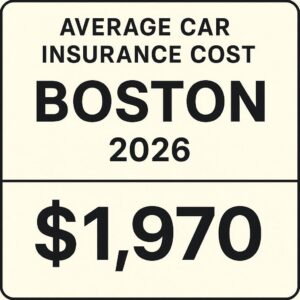
The Bottom Line: What is the Average Cost in Boston for 2026?
As we look toward 2026, Boston drivers should prepare for rates that remain above both the Massachusetts state average and the national average. Based on current trends in repair costs, medical inflation, and urban driving risks, we estimate the following:
-
Average Annual Premium for Full Coverage in Boston (2026): $2,450 – $2,850
-
Average Annual Premium for Minimum Coverage in Boston (2026): $750 – $950
For comparison, the statewide average in Massachusetts for full coverage is projected to be around $1,800 annually. The higher cost in Boston is primarily due to the higher risk associated with dense urban environments. More cars, more pedestrians, and a higher likelihood of theft or vandalism all contribute to the premium you pay.
Important Note for 2026: Insurance companies are constantly updating their pricing models. We are seeing a trend where insurers place a heavier weight on individual driving data (telematics) and credit-based insurance scores. The rates above are estimates based on a driver with a clean record and good credit.
Why is Car Insurance So Expensive in Boston?
Before we look at specific scenarios, it helps to understand the “why.” Boston’s insurance rates aren’t random; they are a direct reflection of risk.
-
Population Density: Simply put, there are more cars in a smaller area. More cars mean more opportunities for accidents, especially fender-benders in parking lots and side-swiping on narrow streets.
-
Traffic Congestion: Boston traffic is legendary. Stop-and-go driving increases the chance of rear-end collisions.
-
Higher Cost of Repairs: Modern vehicles are packed with sensors and cameras. Even a minor bump that once required a simple bumper replacement now might require recalibrating a parking sensor, which costs significantly more.
-
Weather Risks: Boston winters can be brutal. Snow, ice, and potholes contribute to accidents and vehicle damage claims.
-
Theft and Vandalism: Urban areas statistically have higher rates of vehicle theft and vandalism than rural or suburban areas.
Detailed Breakdown of Car Insurance Costs in Boston
To give you a clearer picture, let’s break down how different factors can change what you pay. Remember, these are estimates for 2026 and your actual rate may vary.
Cost by Coverage Level
The type of coverage you choose has the biggest impact on your premium. Here’s a comparison of what you might expect to pay annually for different levels of protection.
| Coverage Level | What It Includes | Estimated Annual Cost (2026) | Best For |
|---|---|---|---|
| State Minimum | Bodily Injury to Others ($20k/$40k), Personal Injury Protection ($8k), Property Damage ($5k) | $750 – $950 | Owners of older, low-value cars who want the legal minimum. High Risk. |
| Basic Liability | Higher limits (e.g., $50k/$100k for Bodily Injury) | $1,200 – $1,600 | Drivers who want to protect their assets but don’t need comprehensive/collision. |
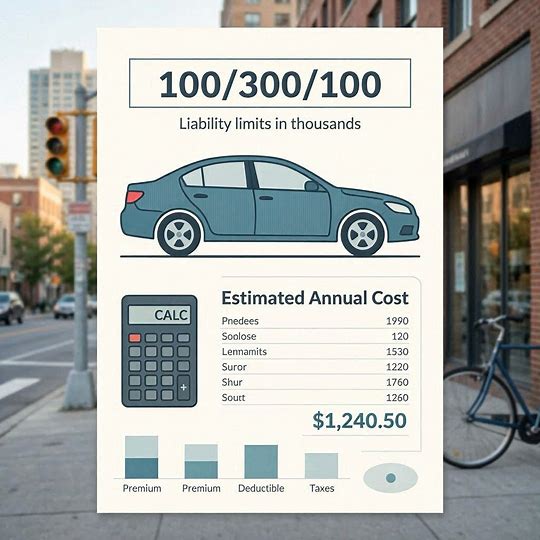
| Standard Full Coverage | Liability (100k/300k), Comprehensive, Collision, Uninsured Motorist | $2,150 – $2,550 | Most drivers with a car less than 10 years old or a car loan/lease. |
| High-Limit Full Coverage | Liability (250k/500k or higher), Low Deductibles ($500 or less), Roadside Assistance, Rental Reimbursement | $2,800 – $3,500+ | Those with significant assets to protect or who want maximum peace of mind. |
Cost by Age
Age and experience are major factors in determining risk. Younger drivers, statistically, are involved in more accidents. Here’s how age typically affects a full-coverage policy in Boston.
| Age Group | Estimated Annual Cost (Full Coverage) | Why? |
|---|---|---|
| Teen (16-19) | $4,500 – $6,500+ | Highest risk category due to inexperience. Adding a teen to a policy is a significant increase. |
| Young Adult (20-25) | $3,000 – $4,000 | Rates begin to drop after 25, but remain high compared to older demographics. |
| Adult (26-45) | $2,200 – $2,800 | The “sweet spot” for insurance. Rates are generally stable and lower. |
| Middle-Aged (46-65) | $2,000 – $2,600 | Often the lowest rates, reflecting decades of driving experience. |
| Senior (65+) | $2,100 – $2,800 | Rates may tick up slightly in some cases, but many companies offer mature driver discounts. |
Cost by Driving Record
Your driving record is the most direct reflection of your personal risk. A single incident can stay on your record for years and significantly increase your premium. The table below shows the potential increase after a common incident.
| Driving Record | Estimated Annual Cost Impact (on a $2,500 policy) |
|---|---|
| Clean Record (0 incidents) | Baseline ($2,500) |
| One Speeding Ticket (Minor) | +20% to 30% ($3,000 – $3,250) |
| One At-Fault Accident | +40% to 50% ($3,500 – $3,750) |
| DUI / OUI | +80% to 100%+ ($4,500+) – Policy may be non-renewed. |
How to Save on Your Boston Car Insurance in 2026
Paying Boston rates doesn’t mean you have to empty your wallet. There are several proven strategies to lower your premium. Think of it as a game where knowledge gives you the winning edge.
1. Bundle Your Policies
This is consistently one of the easiest and most effective ways to save. If you get your auto insurance from the same company that provides your homeowners or renters insurance, you can often save between 5% and 25% on both policies.
2. Explore Usage-Based Insurance (UBI)
Many major insurers now offer programs where they track your driving habits via a mobile app or a device plugged into your car. If you are a safe driver—meaning you don’t speed, brake hard, or drive late at night—you can earn significant discounts. For Boston drivers who don’t commute daily or are very cautious, this can be a game-changer.
3. Increase Your Deductible
Your deductible is the amount you pay out-of-pocket before your insurance kicks in after a claim. By raising your comprehensive and collision deductible from $500 to $1,000, you could lower your premium by 10% to 20%. Just make sure you have that $1,000 set aside in an emergency fund if you need it.
4. Check for All Available Discounts
Insurance companies have a long list of potential discounts. Don’t be shy—ask your agent about every single one. Common discounts include:
-
Multi-Car Discount: For insuring more than one vehicle.
-
Good Student Discount: For full-time students under 25 with a B average or better.
-
Defensive Driving Course Discount: For completing an approved course (especially good for seniors).
-
Paid-in-Full Discount: For paying your entire 6 or 12-month premium upfront.
-
Paperless/Auto-Pay Discount: For signing up for electronic documents and automatic payments.
5. Shop Around and Compare
This is the golden rule of insurance. Loyalty to one company can sometimes cost you money. Rates vary wildly from one insurer to another. A company that was expensive for you three years ago might be the cheapest option today. Get quotes from at least three different insurers when your policy is up for renewal.
Pro Tip for 2026: When comparing quotes, make sure you are comparing the same types and amounts of coverage. Don’t just look at the bottom-line price; look at what you are getting for that money.
Frequently Asked Questions (FAQ)
Q: Is car insurance more expensive in Boston than in the rest of Massachusetts?
A: Yes, generally it is. Because Boston is a dense urban area with higher traffic, theft rates, and accident frequency, insurers consider it a higher risk, which translates to higher premiums compared to suburban or rural parts of the state.
Q: Does my credit score affect my car insurance rate in Boston?
A: In most cases, yes. In Massachusetts, insurers are allowed to use your credit-based insurance score to help determine your rate. Studies have shown a correlation between credit history and the likelihood of filing a claim. Maintaining good credit can help you secure a lower rate.
Q: What is the minimum car insurance required to drive in Boston?
A: The state of Massachusetts requires all drivers to carry:
-
Bodily Injury to Others: $20,000 per person / $40,000 per accident
-
Personal Injury Protection (PIP): $8,000 per person
-
Bodily Injury Caused by an Uninsured Auto: $20,000 per person / $40,000 per accident
-
Property Damage: $5,000 per accident
While these are the legal minimums, they are often not enough to fully protect your assets in a serious accident.
Q: How can I lower my insurance after an accident?
A: Unfortunately, the main lever is time. An accident typically affects your rate for 3-5 years. In the short term, you can:
-
Ask your current company about any accident forgiveness programs you might qualify for.
-
Take a defensive driving course (if eligible).
-
Shop around at the end of your policy term, as some companies may be more lenient with a single accident than others.
Q: Does living in a specific Boston neighborhood affect my rate?
A: Yes, absolutely. Your ZIP code is a key rating factor. Insurers look at claim data for specific areas. A neighborhood with a higher rate of car theft or vandalism, like areas with more street parking, may have higher comprehensive coverage premiums than an area with mostly off-street, garage parking.
Additional Resource: Finding the Right Fit
Navigating the world of auto insurance can be overwhelming. While getting quotes online is a great start, sometimes you need a guide. For personalized advice and to compare options from multiple top-rated companies at once, consider reaching out to an independent insurance agency.
They can act as your advocate, helping you understand the nuances of different policies and finding coverage that fits your specific needs and budget. You can find reputable agencies through the Massachusetts Association of Insurance Agents (MAIA) . Their website offers a “Find an Agent” tool to connect you with a local professional who knows the Boston market inside and out.
Conclusion
As we head into 2026, Boston drivers can expect to pay an average of $2,450 to $2,850 for a full-coverage policy. While this figure is higher than the state and national averages, it is a reflection of the unique risks of driving in a vibrant, historic, and densely populated city. By understanding the factors that influence your rate—from your driving record to your neighborhood—you can take control. Shopping around, bundling policies, and maintaining a clean driving record are your best tools to secure the coverage you need at a price that works for you.