Navigating healthcare costs without insurance can feel overwhelming, especially when you’re seeking answers for bothersome symptoms. If you suspect you have allergies, getting tested is the crucial first step toward effective management. However, the looming question is: how much does an allergy test cost without insurance?
The short answer is that it varies widely, ranging from under $100 to over $5,000, depending on the type of test, where you have it done, and the extent of testing required. This guide will provide you with a transparent, detailed breakdown of what you can realistically expect to pay, explore all your options for more affordable care, and offer practical strategies to manage these expenses. Our goal is to empower you with the knowledge to make informed decisions about your health without the stress of financial unknowns.
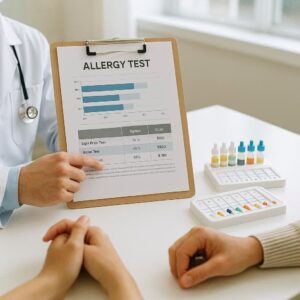
Allergy Test Costs Without Insurance
Understanding the Different Types of Allergy Tests and Their Cost Drivers
Before we look at numbers, it’s essential to understand the different testing methods. The type of test your doctor recommends is the primary driver of cost, as the procedures, materials, and analysis involved differ significantly.
Skin Prick Test (SPT)
This is the most common and often the fastest allergy test. A small amount of suspected allergens is pricked into the skin on your back or forearm. If you’re allergic, a small raised bump (like a mosquito bite) will appear at the site within 15-20 minutes.
-
How it Works: Rapid, visual results for many allergens at once.
-
Typical Without-Insurance Cost Range: $150 to $550 for a standard panel of 20-40 allergens. Some clinics may charge per allergen (e.g., $3-$10 per item).
-
Key Cost Factors: Number of allergens tested, geographic location of the clinic, and the provider’s specialty (allergist vs. general practitioner).
Intradermal Test
A follow-up test sometimes used if a skin prick test is negative but suspicion remains high. A tiny amount of allergen is injected just beneath the skin.
-
How it Works: More sensitive than skin prick testing.
-
Typical Without-Insurance Cost Range: $200 to $1,000+. Often used in conjunction with SPT, adding to the total bill.
-
Key Cost Factors: Usually done for a smaller subset of allergens after SPT.
Blood Test (Specific IgE Test)
This test measures the amount of allergy-causing antibodies (IgE) in your blood for specific allergens. It’s a single blood draw sent to a laboratory.
-
How it Works: Good for patients who can’t stop antihistamines, have severe skin conditions, or are at risk for a severe reaction from skin testing.
-
Typical Without-Insurance Cost Range: $200 to $1,200. Costs are highly dependent on the number of allergens in the panel (e.g., a food panel, environmental panel, or comprehensive panel).
-
Key Cost Factors: Lab fees, physician’s fee for ordering, and the specific test panel (e.g., ImmunoCAP, ELISA).
Patch Test
Used primarily to diagnose contact dermatitis (e.g., reactions to metals, fragrances, chemicals). Allergens are applied to patches placed on the skin for 48 hours.
-
How it Works: Detects delayed allergic reactions.
-
Typical Without-Insurance Cost Range: $250 to $800.
-
Key Cost Factors: Complexity of application and the required multiple follow-up visits.
Oral Food Challenge (OFC)
The gold standard for diagnosing food allergies. Conducted under strict medical supervision, the patient consumes small, increasing amounts of a suspected food.
-
How it Works: Provides a definitive yes/no diagnosis.
-
Typical Without-Insurance Cost Range: $1,000 to $5,000+. This is a complex procedure requiring significant clinical time and resources.
-
Key Cost Factors: Facility fees, length of the challenge, and level of medical monitoring required.
Comparative Cost Table: Allergy Tests Without Insurance
| Test Type | Best For Diagnosing | Avg. Cost Range (No Insurance) | Pros for Self-Pay | Cons for Self-Pay |
|---|---|---|---|---|
| Skin Prick Test (SPT) | Inhalants (pollen, dust, pets), some foods | $150 – $550 | Fast results, lower cost per allergen, widely available. | Must stop antihistamines, not for severe reactors. |
| Blood Test (IgE) | Foods, inhalants, venom; when SPT not possible | $200 – $1,200 | No medication interference, no risk of reaction from test. | Slower results (lab processing), often more expensive per allergen. |
| Patch Test | Contact allergens (nickel, latex, creams) | $250 – $800 | Only way to diagnose many contact allergies. | Requires multiple office visits over a week. |
| Oral Food Challenge | Confirming or ruling out food allergies | $1,000 – $5,000+ | Most accurate for food allergy diagnosis. | Very high cost, time-intensive, requires a specialized clinic. |
Important Note: Dr. Anya Patel, a board-certified allergist, advises: “The ‘cheapest’ test isn’t always the most cost-effective in the long run. An inappropriate test can yield unclear results, leading to unnecessary dietary restrictions or repeat testing, which ultimately costs more. A consultation with a qualified provider to determine the right test for your symptoms is a critical first investment.”
Breaking Down the Total Bill: What Are You Actually Paying For?
When you receive a bill for allergy testing, it’s rarely a single, simple charge. It typically includes several components:
-
Physician Consultation Fee: This is the cost for your office visit and the doctor’s expertise in evaluating your history and determining the appropriate test. ($100 – $300)
-
Test Procedure Fee: The clinic’s charge for performing the test (e.g., applying allergens, drawing blood). ($50 – $300)
-
Allergen Extract Fees: The cost of the actual allergenic substances used in skin or patch testing. ($2 – $10 per allergen)
-
Laboratory Fees (for blood tests): This is often the largest portion for blood tests, charged by an external lab (e.g., Quest, LabCorp) for processing and analysis. ($100 – $1,000+ depending on the panel)
-
Facility Fee: If testing is done in a hospital outpatient department, this can add hundreds of dollars.
A Real-World Example:
You might see a bill for a skin prick test with 30 allergens that looks like this:
-
Level 2 Office Visit: $225
-
Percutaneous Allergy Test (x30): $150 (e.g., $5 per allergen)
-
Total Estimated Patient Responsibility (without insurance): $375
Strategies for Managing Allergy Test Costs Without Insurance
Paying out-of-pocket doesn’t mean you have to pay the full “sticker price.” Here are effective ways to reduce your expenses.
1. Shop Around and Ask for “Cash-Pay” or “Self-Pay” Rates
This is your most powerful tool. Healthcare providers often have a standard inflated rate for insurance companies and a lower, pre-negotiated rate for self-pay patients. Always call ahead and ask:
-
“What is your self-pay price for a [specific test] consultation and skin prick test for common environmental allergens?”
-
“Do you offer a discounted rate for patients paying in full at the time of service?”
2. Utilize Direct Primary Care (DPC) or Concierge Medicine Models
Some DPC or concierge-style clinics include basic allergy testing in their monthly or annual membership fees. This can provide tremendous value if you need ongoing care.
3. Explore Federally Qualified Health Centers (FQHCs) and Free Clinics
FQHCs provide healthcare on a sliding fee scale based on your income. They may offer allergy testing or can refer you to low-cost specialist networks.
4. Consider Retail Health Clinics
Clinics inside pharmacies (like CVS MinuteClinic or Walgreens Healthcare Clinic) sometimes offer limited allergy testing services (often blood tests) at more transparent, affordable prices.
5. Negotiate a Payment Plan
Most clinics would rather set up a payment plan than send an unpaid bill to collections. Be proactive and ask about splitting the cost into manageable monthly payments.
6. Inquire About Prompt-Pay Discounts
Many practices offer a discount (e.g., 10-25%) if you pay your entire bill on the day of service or within a short window (e.g., 10 days).
7. Use a Medical Cost-Sharing Plan or Health Savings Account (HSA)
If you have an HSA-eligible high-deductible plan, you can use pre-tax funds. Some medical cost-sharing ministries may contribute to diagnostic testing costs, though rules vary.
8. Ask About Test Necessity and Limit Scope
Discuss with your doctor if a limited, targeted test based on your most likely allergens can provide answers before opting for an expansive (and expensive) comprehensive panel.
Frequently Asked Questions (FAQ)
Q: What is the absolute cheapest way to get an allergy test without insurance?
A: The lowest-cost entry point is often a targeted skin prick test at an independent allergy clinic or a community health center that offers a clear self-pay discount. Avoid hospital outpatient departments for the most basic testing, as their facility fees are highest.
Q: Can I order my own allergy blood test online?
A: Yes, several reputable companies (like Everlywell, LetsGetChecked) offer at-home allergy test kits you can order directly. Prices typically range from $150 to $300. However, it is strongly recommended to review these results with a healthcare professional. Self-interpretation can lead to unnecessary anxiety or dietary changes, and these kits may not test for all relevant allergens.
Q: How much is a food allergy test vs. an environmental allergy test without insurance?
A: There is significant overlap. A basic environmental panel (pollen, dust mites, molds) might cost $200-$400. A comprehensive food panel can cost $300-$600. Blood tests for foods tend to be pricier than skin tests for the same number of items.
Q: Will allergy testing lead to cheaper long-term costs?
A: Absolutely. A precise diagnosis allows for targeted treatment, such as allergen avoidance strategies or immunotherapy (allergy shots/drops), which can reduce long-term medication use, emergency visits, and improve quality of life. It is an investment in targeted care.
Q: What questions should I ask a clinic before booking an appointment?
A: 1) “What is your total self-pay price for a consultation and the specific test I need?” 2) “Does that price include the physician fee, procedure fee, and all materials/lab fees?” 3) “Do you offer a prompt-pay discount?” 4) “Are payment plans available?”
Additional Resources for Affordable Care
-
Health Resources & Services Administration (HRSA) Find a Health Center Tool: Use this official tool to locate an FQHC near you that offers services on a sliding fee scale.
-
NeedyMeds: A non-profit organization that provides information on patient assistance programs, disease prevention aids, and free/low-cost clinics.
-
Patient Advocate Foundation: Offers case management and financial assistance resources for patients facing medical debt or access issues.
Conclusion
The cost of an allergy test without insurance is not a fixed number but a variable influenced by test type, location, and provider. By understanding the different testing methods, proactively seeking self-pay rates, and exploring alternative care models like community health centers, you can obtain an accurate diagnosis without financial ruin. Investing in the correct test is the foundational step toward effective, long-term allergy management and improved well-being.