As a professional arborist, your focus is on the health of trees and the safety of your clients. But what about the health of your business? In an industry where one accident, one fallen limb, or one mistaken cut can lead to a staggering financial loss, having the right insurance isn’t just a good idea—it’s the lifeline that keeps your business standing strong. Understanding arborist insurance cost is the first critical step in protecting the livelihood you’ve worked so hard to grow.
This comprehensive guide will walk you through every factor that influences your insurance premiums, the types of coverage you absolutely need, and practical strategies to manage your costs without compromising on protection. We’ll provide clear numbers, helpful comparisons, and expert advice to make you an informed buyer.
Arborist Insurance Cost
Arborist Insurance Cost
Why You Simply Cannot Skip Insurance
Imagine this: a large branch swings unpredictably during a removal and damages a client’s roof. Or, a new employee accidentally cuts a utility line. Perhaps a piece of your equipment is stolen from a job site overnight. Without insurance, these scenarios could mean paying out of pocket for repairs, medical bills, or legal fees that could easily bankrupt your business.
“Insurance for an arborist isn’t an overhead cost; it’s the price of staying in business. It transforms a potential catastrophe into a manageable incident.” – Industry Risk Consultant
Important Note: Operating without adequate insurance not only puts your assets at risk but also makes you unattractive to clients. Most municipalities, commercial clients, and even many homeowners will require proof of insurance before you can even bid on a job.
Breaking Down the Core Types of Arborist Insurance
Your insurance portfolio should be as tailored as your tree care plans. Here are the essential policies that form the foundation of a robust arborist insurance plan.
1. General Liability Insurance: Your First Line of Defense
This is the most fundamental coverage. It protects your business from third-party claims of bodily injury or property damage. If your work accidentally damages a neighbor’s fence or a client trips over your gear, this policy covers the associated costs.
2. Workers’ Compensation Insurance: Protecting Your Crew
Legally required in almost every state if you have employees, this covers medical expenses and lost wages if an employee is injured on the job. In the high-risk field of arboriculture, this is non-negotiable.
3. Commercial Auto Insurance
Covers your company vehicles (bucket trucks, chippers, stump grinders, pickup trucks) for accidents, liability, and physical damage. Personal auto policies will not cover vehicles used for business.
4. Professional Liability (Errors & Omissions)
This covers financial losses a client suffers due to your professional advice or services. For example, if you incorrectly diagnose a tree as diseased and recommend removal, and a subsequent expert finds it was healthy, this policy could cover the claim.
5. Inland Marine (Equipment Insurance)
This is crucial for arborists. It covers your tools and equipment (chainsaws, chippers, rigging gear) while they are in transit or on a job site—places where a standard property policy wouldn’t protect them.
6. Umbrella/Excess Liability Insurance
This provides an extra layer of liability protection above and beyond the limits of your other policies. It’s relatively inexpensive for the high amount of additional coverage it offers.
What Determines Your Arborist Insurance Cost? The Key Factors
Your premium isn’t a random number. Insurers carefully assess your business’s risk profile. Here are the primary factors they evaluate:
-
Services Offered: Pruning and basic care is lower risk than large tree removals, crane work, or storm damage cleanup.
-
Annual Revenue and Payroll: These are direct multipliers for your premium calculations.
-
Number of Employees: More employees, especially in high-risk roles, increases cost, particularly for Workers’ Comp.
-
Experience and Safety Record: A business with 10 years of no claims will pay significantly less than a new startup or one with a history of incidents.
-
Equipment Value and Vehicles: The value of your chainsaws, chippers, and fleet of trucks directly impacts your inland marine and auto insurance costs.
-
Location: Operating in a region with high litigation rates or frequent severe weather can raise premiums.
-
Coverage Limits and Deductibles: Higher coverage limits and lower deductibles mean higher premiums, and vice-versa.
Average Cost Ranges: What Can You Expect?
It’s vital to remember that these are national averages. Your specific quote will vary based on the factors above.
| Policy Type | Typical Annual Cost Range (For a Small-Midsize Arborist Business) | Key Influencing Factors |
|---|---|---|
| General Liability | $1,200 – $3,500+ | Revenue, services, claims history |
| Workers’ Compensation | $5,000 – $15,000+ | Payroll, job classification risk, safety record |
| Commercial Auto | $2,500 – $7,000+ per vehicle | Vehicle type, driver records, coverage level |
| Inland Marine (Equipment) | $500 – $2,000+ | Total value of insured equipment |
| Umbrella Liability ($1M) | $500 – $1,200+ | Underlying policy limits, risk exposure |
| Total Estimated Package | $10,000 – $30,000+ | Combination of all factors above |
A Typical Scenario: A well-established arborist business with 5 employees, $500k in revenue, offering standard pruning and removal services (no crane work), and a clean safety record might pay a total insurance package cost in the range of $12,000 to $20,000 annually.
How to Get the Best Value on Your Insurance: A Strategic Guide
1. Bundle Your Policies (BOP)
Ask your agent about a Business Owner’s Policy (BOP). This bundles General Liability and Business Property (which can include tools) into one policy, often at a 10-20% discount compared to buying them separately.
2. Prioritize Safety and Training
A formal, documented safety program is your #1 tool for reducing costs, especially for Workers’ Comp. This includes:
-
Regular crew safety meetings.
-
OSHA compliance and certification.
-
Investing in proper personal protective equipment (PPE).
-
Maintaining detailed equipment inspection logs.
3. Choose Your Deductibles Wisely
Opting for a higher deductible (the amount you pay out-of-pocket before insurance kicks in) can lower your annual premium significantly. Ensure the deductible is an amount you could comfortably afford in an emergency.
4. Shop Around with Specialists
Not all insurance agents understand the unique risks of arboriculture. Work with brokers or agencies that specialize in landscaping, tree care, or outdoor services. They know the right carriers and can better advocate for you.
5. Review and Update Annually
Don’t just auto-renew. Before your policy renews each year, review it with your agent. Update your revenue, payroll, and equipment lists. You may be over-insured on old items or under-insured on new growth.
Checklist for Getting an Accurate Quote:
-
3-5 years of business financials (revenue, payroll)
-
List of services offered
-
Vehicle information (VINs, driver records)
-
Equipment list with values
-
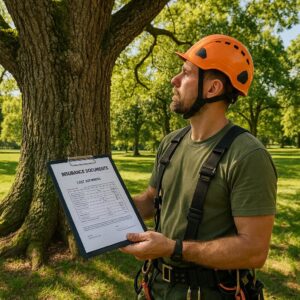
Details of your safety/training program
-
Prior insurance and claims history
Conclusion: An Investment in Your Business’s Future
Understanding and managing your arborist insurance cost is a fundamental part of running a sustainable, responsible tree care business. It’s a strategic investment that protects your assets, your employees, and your reputation. By choosing the right coverage, working with knowledgeable specialists, and building a culture of safety, you can secure the necessary protection at a manageable price, allowing you to focus on what you do best: caring for the trees.
Frequently Asked Questions (FAQ)
Q: I’m a one-person operation (sole proprietor). Do I still need insurance?
A: Absolutely. While you may not need Workers’ Comp, General Liability and Commercial Auto are critical. You are still liable for any damage or injury you cause. A single lawsuit could wipe out your personal assets.
Q: Are there any industry associations that offer discounted insurance programs?
A: Yes. Organizations like the International Society of Arboriculture (ISA) or the Tree Care Industry Association (TCIA) often partner with insurance providers to offer member-discounted group insurance programs. Membership can pay for itself through this benefit alone.
Q: What is the single biggest mistake arborists make with insurance?
A: Underreporting payroll to lower Workers’ Comp costs. This is insurance fraud. If you have a claim and an audit discovers the discrepancy, you will be billed for back premiums plus penalties, and your claim may be denied.
Q: Does insurance cover damage if I accidentally cut down the wrong tree?
A: This is a tricky area. General Liability often excludes “faulty workmanship.” However, a Professional Liability (Errors & Omissions) policy is designed specifically for this type of professional mistake and is highly recommended for consulting arborists.
Additional Resources
-
International Society of Arboriculture (ISA): https://www.isa-arbor.com – For safety standards, credentials, and potential insurance partners.
-
Tree Care Industry Association (TCIA): https://www.tcia.org – Offers extensive business resources, safety accreditation programs, and insurance information for members.
-
Occupational Safety and Health Administration (OSHA): https://www.osha.gov – For mandatory safety regulations and compliance guides for the tree care industry.