Facing the cost of fertility treatments or hormone therapies can be daunting, especially when paying out of pocket. Progesterone in oil, a critical medication for supporting pregnancy and managing certain hormonal conditions, represents a significant line item in that budget. If you’re searching for the “cost of progesterone in oil without insurance,” you’re likely seeking clarity, realistic numbers, and actionable strategies. This guide is designed to be your comprehensive resource, offering honest information and practical advice to help you manage this essential expense.
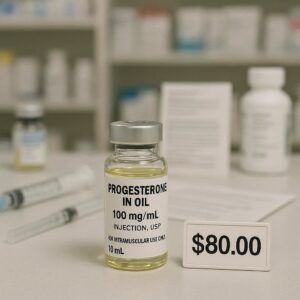
Cost of Progesterone in Oil Without Insurance
Understanding Progesterone in Oil and Its Uses
Before diving into costs, it’s important to understand what this medication is and why it’s prescribed. Progesterone is a natural hormone crucial for regulating the menstrual cycle and maintaining the early stages of pregnancy. The “in oil” formulation refers to a sterile solution of progesterone suspended in an oil base (like sesame or ethyl oleate) for intramuscular injection.
This method is often preferred in fertility treatments like In Vitro Fertilization (IVF) and frozen embryo transfers because it provides highly reliable and consistent absorption. It helps prepare the uterine lining for implantation and supports the pregnancy until the placenta can take over hormone production. It may also be used to treat conditions like amenorrhea (absent periods).
As Dr. Sarah Reynolds, a reproductive endocrinologist, notes: “For many patients undergoing assisted reproduction, progesterone in oil is non-negotiable. It’s the gold standard for luteal phase support. While the injections can be challenging, the efficacy is well-established, making understanding its cost a vital part of treatment planning.”
Key Factors That Influence the Out-of-Pocket Price
The price you see quoted can vary wildly—from under $100 to over $500 for a single vial. This disparity isn’t random. Several core factors determine the final cost at the pharmacy counter.
-
Dosage and Concentration: Progesterone in oil typically comes in vials of 50 mg/mL. Your prescribed daily dose (e.g., 1 mL vs. 2 mL) directly impacts how quickly you use a vial and your total monthly cost.
-
Quantity and Vial Size: Vials come in different sizes (e.g., 10 mL). Buying a larger quantity often reduces the per-milliliter cost.
-
Type of Oil: The carrier oil can affect price and personal tolerance. Sesame oil is common, but ethyl oleate versions are often more expensive and may cause less soreness.
-
Pharmacy Type and Location: Where you buy it is perhaps the biggest variable. Local Compounding Pharmacies, Specialty Pharmacies, and large retail chains all have different pricing models and markups. Geographic location also plays a role.
-
Manufacturer and Brand Variations: While often compounded, there are branded versions and generic formulations, with associated price differences.
A Realistic Look at Average Costs in 2024
Based on current pricing research across multiple pharmacy platforms, here is a realistic range for what you can expect to pay without insurance coverage. Remember, these are estimates and a starting point for your own research.
Comparative Pricing Table: Progesterone in Oil (50 mg/mL)
| Pharmacy Type | Estimated Cost per 10 mL Vial (Sesame Oil) | Price Notes & Considerations |
|---|---|---|
| Large Chain Retail Pharmacy (e.g., CVS, Walgreens) | $120 – $250+ | Often the most expensive option for cash-paying patients. Always ask for their “cash price” or discount program. |
| Local Independent Compounding Pharmacy | $70 – $150 | Frequently the most cost-effective source. Prices can vary greatly between compounders; calling around is key. |
| Online Compounding Pharmacies | $80 – $180 | Convenience factor. Must be licensed to ship to your state. Watch for shipping fees. |
| Specialty Fertility Pharmacies | $100 – $200 | May bundle with supplies (syringes, needles) and offer specialized patient support. |
| Warehouse Clubs with Pharmacies (e.g., Costco) | $90 – $130 | Known for competitive cash prices. Membership may be required, but pharmacy access is often permitted without one. |
| Using a Prescription Discount Card/Coupon | $60 – $160 | Can significantly reduce cost at participating retailers. Prices fluctuate daily. |
Important Note for Readers: The prices above are national averages. You must call pharmacies in your area for exact quotes. A five-minute phone call can save you hundreds of dollars. Always provide the exact details of your prescription: drug name, concentration (50 mg/mL), total volume (e.g., 10 mL), and carrier oil.
Proactive Strategies to Reduce Your Out-of-Pocket Expense
You are not powerless against the sticker shock. Here are proven strategies to lower your costs.
-
Comparison Shop Relentlessly: Do not assume your local pharmacy has the best price. Call at least 3-5 pharmacies: a local compounder, a chain store, a warehouse club, and a specialty pharmacy.
-
Leverage Prescription Discount Cards and Apps: These are not insurance. They are negotiated-rate coupons. Options like GoodRx, SingleCare, and RxSaver are free to use. Simply present the coupon code at the pharmacy. Crucially, compare coupons for the same pharmacy—prices differ between platforms.
-
Ask About Cash-Pay Discounts: Many pharmacies, especially independent ones, have lower, unadvertised cash prices. Politely ask, “What is your best cash price for this compounded medication?”
-
Inquire About Volume Discounts: If your prescription is for multiple vials or a longer duration, ask if they offer a discount for purchasing the supply upfront.
-
Explore Patient Assistance Programs (PAPs): Some manufacturers and non-profit organizations offer assistance. While more common for brand-name drugs, it’s worth researching foundations that support fertility medication costs.
-
Discuss Options with Your Prescribing Physician: Your doctor may have samples to bridge a short gap, or they might know which local pharmacies offer the best rates. They can also ensure the prescription is written for the most cost-effective vial size.
Beyond the Vial: Calculating the True Total Cost
When budgeting, factor in these additional necessary expenses:
-
Supplies: You will need syringes (typically 3 mL), drawing needles (18-21 gauge), and injection needles (22-25 gauge, 1.5-inch). These can cost $30-$80 per cycle.
-
Accessories: Alcohol pads, sharps containers for safe disposal, and heating pads for injection sites add to the cost.
-
Shipping Fees: If using an online pharmacy, shipping can be $10-$30.
-
Clinic Fees for Administration: If a nurse administers the injections, there may be a per-injection fee.
Helpful List: Creating Your Personal Cost Worksheet
To avoid surprises, create a simple budget worksheet:
-
Price per vial from chosen pharmacy: $______
-
Number of vials needed per cycle: ______
-
Subtotal for medication: $______
-
Syringe/Needle kit cost: $______
-
Alcohol pads & sharps container: $______
-
Shipping fees (if applicable): $______
-
Estimated Total Cost per Cycle: $______
Emotional and Financial Support Resources
The financial burden adds to the emotional stress of fertility treatment. You are not alone.
-
RESOLVE: The National Infertility Association: Offers financial resources, support groups, and advocacy information.
-
FertilityIQ: Includes clinic and medication cost data in their reviews.
-
Local Support Groups: Connecting with others on a similar journey can provide practical tips and emotional solace.
A Final, Important Note: The journey of needing this medication is often tied to profound hopes and challenges. While navigating cost is a practical necessity, please also prioritize your emotional well-being. Seek support, communicate openly with your medical team about financial stress, and remember that this investment, while significant, is part of a path toward your family-building goals.
Conclusion
The cost of progesterone in oil without insurance is highly variable but typically ranges from $70 to $250+ per vial, influenced by pharmacy type, location, and discounts. Significantly reducing your out-of-pocket expense is possible through diligent comparison shopping, using free discount coupons, and asking pharmacies for their best cash price. By understanding all associated costs and utilizing available resources, you can approach this necessary part of your treatment with a clearer financial plan and greater peace of mind.
Frequently Asked Questions (FAQ)
Q: Is progesterone in oil available at a regular pharmacy like CVS?
A: Yes, many large chain pharmacies can order or compound it, but they are often not the cheapest cash-pay option. Always get a quote and compare.
Q: Can I use a GoodRx coupon for a compounded medication?
A: Yes, in many cases. GoodRx and similar services list prices for compounded progesterone in oil at participating pharmacies. Select the correct formulation and dosage on their website or app to find coupons.
Q: Why is there such a huge price difference between pharmacies?
A: Pharmacies have different wholesale suppliers, markup policies, and overhead costs. Independent compounding pharmacies often have more direct sourcing and flexibility, leading to lower prices for cash-paying patients.
Q: How can I make the injections more affordable if I need them for many weeks?
A: Discuss a longer-term prescription with your doctor to potentially qualify for a volume discount. Combine this with a discount card and purchase from the most affordable verified source. Also, ensure you are using injection techniques to minimize waste.
Q: Are there any reliable online pharmacies for this medication?
A: Yes, several reputable, state-licensed online compounding and specialty pharmacies serve fertility patients. Always verify their licensing through your state’s board of pharmacy website and ensure they require a valid prescription from your doctor.
Additional Resources
For a deeper dive into managing fertility treatment costs and exploring financial assistance programs, a valuable resource is the “Financial Resources” section of RESOLVE’s website (https://resolve.org/). They provide updated information on grants, loans, and advocacy efforts that can help with the broader financial picture of family building.