Let’s be honest: shopping for dental insurance is rarely at the top of anyone’s fun list. It often feels like wading through a sea of confusing jargon, tricky fine print, and a long list of companies you’ve never heard of. You might be asking yourself: Do I really need it? Which company is actually reliable? How do I avoid getting a plan that pays for nothing?
This guide is designed to cut through the noise. We’re going to take a calm, realistic look at the dental insurance landscape. Our goal is to help you understand not just the names of the companies, but how they work, what they are good at, and how to pick one that actually fits your life.
Whether you are retiring and losing employer coverage, shopping for yourself on the Health Insurance Marketplace, or a small business owner looking to provide benefits, this is your starting point.
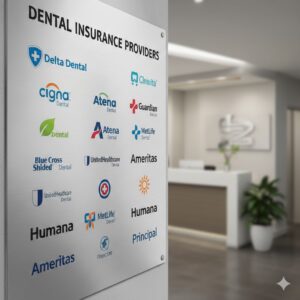
Dental Insurance Providers
Understanding the Basics: How Dental Insurance Actually Works
Before we compare provider names, it’s important to grasp the universal model that almost all of them follow. Dental insurance isn’t like medical insurance. It’s less about catastrophic coverage and more about preventive maintenance with a fixed budget for repairs.
Most plans are built around a 100-80-50 structure. You will see this referenced everywhere.
-
Preventive Care (100% covered): This includes routine cleanings (usually twice a year), oral exams, and X-rays. Plans cover these fully because it is in the insurance company’s best interest to keep your mouth healthy.
-
Basic Procedures (80% covered): This covers things like fillings, simple extractions, and root canals. You pay the remaining 20% as a copay.
-
Major Procedures (50% covered): This is the big stuff: crowns, bridges, dentures, and sometimes more complex oral surgery. The insurance pays half, you pay half.
There are a few other key terms that will pop up on every single provider’s plan details:
-
Deductible: The amount you must pay out-of-pocket before the insurance company starts paying its share. This is usually between $50 and $150 per person.
-
Annual Maximum: This is the absolute cap on what the insurance company will pay in a single year. It typically ranges from $1,000 to $2,000. Once you hit that limit, you pay 100% of the costs until the plan resets next year.
-
Waiting Periods: This is a critical detail. Many plans make you wait 6 to 12 months before they will cover basic procedures, and sometimes up to 24 months for major work. This is to prevent people from buying insurance only when they need an expensive crown.
Important Note for Readers:
Always look at the “Annual Maximum” and “Waiting Periods” before you look at the monthly premium. A cheap monthly payment means nothing if the plan won’t pay for the root canal you need in three months.
The Major Players: A Look at Top Dental Insurance Providers
The dental insurance market is filled with large, national names as well as regional non-profit organizations. Here is a look at some of the most common providers you will encounter.
Delta Dental
If you have had employer-based dental insurance at any point, chances are high it was Delta Dental. They are the 800-pound gorilla of the industry.
Delta Dental isn’t actually one giant company, but a network of independent state-based dental insurance companies operating under one brand. This gives them a massive reach.
-
Strengths: Their biggest asset is their provider network. Because they are so large, you are very likely to find your current dentist in their network. They offer a wide variety of plans, from basic HMO-type plans to very comprehensive PPOs.
-
Weaknesses: Because of their size and market share, they aren’t always the cheapest option on the individual market. Plan names and benefits can vary significantly from state to state, which can be confusing.
-
Best For: People who already have a dentist they love and want to make sure they can stay with them.
Cigna
Cigna is a global health service giant, and their dental offerings are a significant part of their portfolio. They are known for being fairly straightforward with their plan designs.
Cigna operates a large PPO network (called Cigna Dental Care) that is often bundled with their health insurance products.
-
Strengths: Cigna is often praised for its transparency and customer service. Their plans frequently include coverage for orthodontia for both children and adults, which is a big plus for families. They also have a strong focus on wellness and preventive care.
-
Weaknesses: In some regions, their network may not be as dense as Delta Dental’s. You should always check if your preferred dentist is in-network before signing up.
-
Best For: Families needing orthodontic coverage and individuals looking for a large, stable company with a good reputation for service.
Humana
Humana is another giant in the insurance world, known for its Medicare Advantage plans, but they are also a major player in the stand-alone dental market.
They offer a wide range of products, including traditional PPOs, more affordable HMOs, and even discount dental plans (which aren’t technically insurance but offer reduced rates).
-
Strengths: Humana is often very competitive on price, especially for basic preventive plans. They have a user-friendly website and tools to help you estimate costs. They are also one of the few providers that actively offers “immediate” plans with no waiting periods for preventive care.
-
Weaknesses: Their cheapest plans often have lower annual maximums. You need to be careful to read the fine print on what is considered a “basic” vs. “major” procedure, as definitions can vary.
-
Best For: Budget-conscious shoppers and seniors looking for dental coverage to pair with a Medicare plan.
Guardian Life
Guardian has a long history in the insurance business, and their dental insurance is highly respected, particularly in the Northeast and Midwest.
They are known for offering robust plans with higher annual maximums than many competitors, though these often come with higher monthly premiums.
-
Strengths: Guardian is excellent for those who anticipate needing significant dental work. Their plans often feature higher annual maximums ($1,500 or more) and strong coverage for major procedures. They also have a strong “in-network” discount structure that makes out-of-pocket costs more predictable.
-
Weaknesses: Their network isn’t quite as vast as Delta Dental’s in some southern and western states. Their plans can be pricier than the bare-bones options from other providers.
-
Best For: Individuals willing to pay a bit more per month for higher coverage limits and better protection against major dental expenses.
Aetna
Now part of CVS Health, Aetna leverages its massive resources to offer comprehensive dental plans, often bundled with vision coverage.
Aetna’s dental plans are frequently found on the Health Insurance Marketplace and through employers, but they are also available to individuals.
-
Strengths: Aetna offers excellent integration with the CVS network, making it easy to manage your benefits. They have a variety of plan types, including a popular DHMO option that offers very low copays (but requires you to choose a primary care dentist from their network).
-
Weaknesses: Their DHMO plans, while cheap, lock you into a specific network and usually require referrals to see specialists. Their PPO plans are solid but not always the market leader in any specific category.
-
Best For: People looking for a one-stop-shop for health, dental, and vision, especially those comfortable with a managed care (DHMO) model.
Comparing the Giants: A Quick Look
To make this information a bit easier to digest, here is a simplified comparison table. Remember, these are general trends, and you should always check the specific plan details for your zip code.
| Provider | Network Strength | Best Known For | Ideal Candidate |
|---|---|---|---|
| Delta Dental | Excellent (National) | Largest network of dentists. | Someone who wants to keep their current dentist. |
| Cigna | Very Good | Transparency & orthodontic coverage. | Families needing braces/Invisalign coverage. |
| Humana | Good | Affordable plans & no-waiting-period options. | Budget shoppers and Medicare beneficiaries. |
| Guardian | Good (Regional) | High annual maximums & robust coverage. | Those anticipating major dental work. |
| Aetna | Very Good | Integration with CVS & HMO plan options. | People wanting a bundled health/dental plan. |
Dental Insurance vs. Dental Discount Plans
When searching for “dental insurance providers,” you will inevitably stumble across “dental discount plans.” It is vital to understand the difference, as they are fundamentally different products.
Dental Insurance (what we’ve been discussing):
-
How it works: You pay a premium. The company pays a portion of your covered procedures up to an annual maximum.
-
Costs: You have deductibles, copays, and annual limits.
-
Best for: People who need help paying for unexpected or major procedures.
Dental Discount Plans:
-
How it works: You pay an annual membership fee. You get access to a network of dentists who have agreed to charge plan members a discounted rate (usually 10-60% off). You pay the dentist directly at the time of service.
-
Costs: There are no deductibles, no claim forms, and no annual maximums. You simply pay the discounted price.
-
Best for: People who don’t qualify for traditional insurance, or those who just want to save on routine care and don’t need help with major expenses.
A Quick Word of Caution:
Discount plans are not insurance. If you need a $5,000 procedure, a discount plan might get you a 30% discount, meaning you pay $3,500. Insurance might cover 50% after your deductible, potentially saving you more, but only up to your annual max. Read the fine print to know which model serves your needs best.
How to Choose the Right Provider for You
Feeling overwhelmed? Don’t be. Choosing a provider becomes much simpler if you follow a logical process rather than just picking the biggest name. Here is a step-by-step guide.
1. Assess Your Dental Health Honestly
This is the most important step. Be realistic.
-
The “Routine” Person: You go for your cleanings twice a year, you have no cavities, and you just want to keep things that way. You can likely get away with a lower-cost, basic PPO plan.
-
The “I Need Some Work” Person: You know you have a couple of cavities, and that old filling might need replacing. You need a plan with a reasonable deductible and good coverage for “basic procedures.”
-
The “Major Work” Person: You need a crown, a bridge, or dentures. You need a plan with a high annual maximum and the shortest waiting periods possible for major work. You might even consider paying a higher premium for a better plan.
2. Check Your Preferred Dentist First
Before you fall in love with a specific company, call your dentist’s office. Ask them:
-
“Which insurance companies do you bill as an in-network provider?”
-
“Which PPO networks do you participate in?”
If your dentist is in-network with Delta Dental and Cigna, then those two companies just moved to the top of your list. Going out-of-network can cost you significantly more.
3. Compare the Total Cost, Not Just the Premium
A plan with a $20 monthly premium sounds great. But let’s do the math:
-
Plan A: $20/month premium ($240/year), $50 deductible, $1,000 annual max. You need a crown ($1,500). You pay: $50 deductible + 50% of the remaining cost ($750) = $800 out-of-pocket, but the insurance maxes out at $1,000, so you actually pay more if the total bill is higher.
-
Plan B: $40/month premium ($480/year), $100 deductible, $2,000 annual max. Same crown. You pay: $100 deductible + 50% of the remaining cost ($750) = $850 out-of-pocket, but you have more room in your annual max for any other work.
Plan B costs more per month, but for a major procedure, the total yearly cost (premiums + out-of-pocket) might be comparable, and you have better protection. You have to run the numbers based on your expected needs.
Navigating the Fine Print: What to Watch Out For
Insurance companies are businesses. Their plan documents are designed to protect their interests as well as yours. Here are a few things to keep an eye out for when comparing “dental insurance providers.”
Frequency Limitations
You might think, “My plan covers two cleanings a year.” But the fine print might say, “Routine cleanings are limited to one every six months.” That is the same thing, right? Usually. However, some plans have strange limitations on X-rays (e.g., one set of bitewings every 365 days, not 6 months) or fluoride treatments (only for children under 14). Always check the “frequency” section of the summary of benefits.
Missing Tooth Clauses
This is a big one for dentures and bridges. Most plans will not pay for a replacement bridge or denture for a tooth that was missing before your coverage started. This is a standard clause, but it catches people off guard.
Alternative Benefit Provisions
This is a tricky but common clause. It means that if your dentist recommends a specific, expensive procedure (like a crown), but there is a cheaper, acceptable alternative (like a large filling), the insurance company will only base their payment on the cost of the cheaper alternative. You pay the difference for the better treatment.
The Future of Dental Benefits
The world of dental insurance is slowly evolving. While the 100-80-50 model isn’t going away anytime soon, there are some trends worth noting.
-
Tele-dentistry: Many providers now include virtual consultations. You can have a quick video call with a dentist to discuss a problem before deciding if an in-person visit is necessary. This is often a very low-cost or free benefit.
-
Inflation and Annual Maximums: The standard $1,500 annual maximum hasn’t moved much in 40 years, despite the cost of dental work rising significantly. There is growing consumer advocacy to push for higher limits, but for now, it remains a static figure at most companies.
-
Embedded Dental: It is becoming increasingly common to see dental coverage embedded within Medicare Advantage plans and Health Insurance Marketplace medical plans. This is making stand-alone dental plans slightly less common for the general population, but they remain vital for retirees and the self-employed.
Additional Resource:
For unbiased, state-by-state information on consumer rights regarding dental insurance, you can visit the National Association of Insurance Commissioners (NAIC) website. They offer tools and educational resources to help you understand your rights and file complaints if necessary. You can find them at content.naic.org/.
Frequently Asked Questions (FAQ)
1. Do I really need dental insurance?
It depends on your situation. If you rarely have dental issues and can afford routine cleanings out-of-pocket (usually $200-$300/year), you might be fine without it. However, insurance is a hedge against risk. A single unexpected root canal and crown can cost thousands, making the insurance premium a worthwhile investment for most people.
2. Can I get dental insurance at any time?
Generally, you can only buy individual dental insurance during the open enrollment period (usually the end of the year) or if you have a qualifying life event (losing other coverage, marriage, birth of a child). However, some providers offer plans year-round, so it’s always worth checking.
3. What is the difference between in-network and out-of-network?
“In-network” means the dentist has a contract with the insurance company to provide services at a pre-negotiated, lower rate. You pay less. “Out-of-network” dentists have no such contract; they may bill you for the difference between their normal fee and what the insurance pays, leading to higher out-of-pocket costs.
4. Are dental implants covered?
This varies wildly. Many traditional plans still classify implants as “major” or even “cosmetic” and offer limited or no coverage. However, more plans are starting to include implant coverage as they become the standard of care. You will likely need a top-tier plan to get significant help with implants.
5. How do I switch providers if I’m unhappy?
You can usually switch during the next open enrollment period. However, be aware that any waiting periods you already served with your old provider do not transfer. If you switch, you might have to start waiting periods all over again with the new company for certain procedures.
Conclusion: Finding Your Fit in a Crowded Market
Finding the right dental insurance provider is a personal journey that depends entirely on your budget, your dental health, and your preferred dentist. The biggest names in the industry—Delta Dental, Cigna, Humana, Guardian, and Aetna—each offer distinct advantages, from massive networks to higher coverage limits. By focusing on your specific needs rather than just the monthly premium, and by taking the time to understand the basic mechanics of deductibles and annual maximums, you can make a confident choice. Remember, the best plan isn’t the most expensive one, but the one that provides the most value and peace of mind for you and your smile.