Navigating healthcare costs without insurance can feel overwhelming, especially when you need a critical diagnostic tool like an MRI. If you’re asking, “how much does an MRI cost in Florida without insurance?” the answer is not simple. Prices are notoriously variable and often shrouded in mystery. This guide cuts through the confusion, providing you with realistic price ranges, money-saving strategies, and the knowledge you need to make an informed decision without breaking the bank.
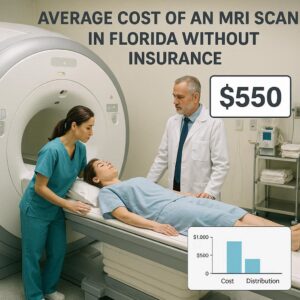
How Much Does an MRI Cost in Florida Without Insurance?
Understanding MRI Cost Variability in Florida
The price of an MRI scan in Florida without insurance isn’t posted on a menu. It fluctuates wildly based on a complex mix of factors. Think of it like booking a flight: the price depends on where you’re flying from, your destination, the class of service, and when you book. An MRI cost operates on similar principles of location, type, and facility.
A major study published in Health Affairs highlighted this national issue, noting, “There is often no relationship between price and quality of care for hospital services in the U.S.” This means the most expensive scan is not necessarily the best. In Florida, this variability is amplified by the state’s diverse healthcare landscape, ranging from large urban hospital systems in Miami and Tampa to independent imaging centers in suburban and rural areas.
Breaking Down the Average Cost of an MRI in Florida (No Insurance)
So, what can you realistically expect to pay? While individual cases will vary, here is a general breakdown of out-of-pocket costs for common MRI scans in Florida for patients without insurance.
Estimated MRI Cost Ranges in Florida Without Insurance
| Type of MRI Scan | Low-End Estimate | High-End Estimate | Primary Factors Influencing Cost |
|---|---|---|---|
| Knee or Shoulder (Extremity) | $400 – $800 | $1,200 – $2,500 | Open vs. Closed MRI; Use of Contrast |
| Brain (Head) | $600 – $1,200 | $2,000 – $3,500 | Need for detailed neurological analysis |
| Spine (Lower Back – Lumbar) | $500 – $1,000 | $2,500 – $4,000+ | Complexity; Often requires multiple views |
| Spine (Full) | $1,000 – $1,800 | $3,500 – $5,000+ | Extensive scanning time and analysis |
| Abdomen or Pelvis | $800 – $1,500 | $2,500 – $4,000 | Often requires contrast; Complex anatomy |
| Open MRI (any area) | Typically 10-25% less than traditional closed MRI | Preferred for claustrophobia; May have lower image resolution |
Important Note: The “low-end” estimates are most commonly found at independent, free-standing imaging centers, outpatient clinics, or through cash-pay discount programs. The “high-end” estimates are typically associated with hospital-based imaging departments, especially those affiliated with large hospital systems.
Why Is There Such a Huge Price Gap?
The difference between a $500 MRI and a $4,000 MRI for the same body part boils down to several key elements:
-
Facility Fees: Hospitals charge a “facility fee” on top of the technical cost of the scan. This can sometimes double or triple the price.
-
Radiologist’s Fee: This is the separate fee for the doctor who reads and interprets your scan. It may or may not be bundled in the quoted price.
-
Contrast Dye: The injection of gadolinium-based contrast material to enhance images can add $100 to $400 to the total bill.
-
Geographic Location: Scans in metropolitan areas like South Florida, Orlando, or Tampa can be more expensive than in more rural parts of the state.
-
Technology: A high-field (1.5T or 3T) closed MRI machine provides the highest detail but costs more to operate than an open or low-field MRI.
Proven Strategies to Find an Affordable MRI in Florida
You are not powerless against high prices. With proactive research, you can often secure a scan for a fraction of the “sticker price.”
1. Shop Around Aggressively (This is Your #1 Tool)
Never accept the first price you are given. Call multiple providers.
-
Who to Call: Independent Diagnostic Imaging Centers, Outpatient Surgery Centers, University Health Clinics.
-
What to Say: “I am a self-pay patient without insurance. I need a [body part] MRI, possibly with/without contrast. What is your best cash price for the complete service, including the radiologist’s fee?”
-
Get It in Writing: If possible, ask for a written “good faith estimate” before scheduling.
2. Inquire About Cash-Pay Discounts
Most facilities offer significant discounts for patients paying upfront in cash or debit/credit. Discounts of 30% to 60% off the “billed” rate are common. Always ask, “Do you offer a prompt-pay or cash discount?”
3. Consider a Stand-Alone Imaging Center
As a rule, free-standing imaging centers are almost always less expensive than hospital radiology departments. They have lower overhead and are structured to be more competitive.
Table 2: Hospital vs. Imaging Center Cost Comparison
| Feature | Hospital-Based MRI | Independent Imaging Center |
|---|---|---|
| Typical Cost | Very High ($2,000+) | Moderate to Low ($400 – $1,500) |
| Scheduling Speed | Can be slower | Often faster, more flexible |
| Atmosphere | Can feel clinical, busy | Often more relaxed, patient-focused |
| Primary Advantage | Necessary for inpatients, severe trauma | Affordability and convenience for outpatients |
4. Ask About Payment Plans
If you cannot pay the entire amount upfront, ask if the facility offers a no-interest or low-interest payment plan. Setting this up before the service is crucial.
5. Explore Sliding Scale Clinics and Community Health Centers
Florida has a network of Federally Qualified Health Centers (FQHCs) and community clinics that provide services on a sliding scale based on your income. They may have referrals or partnerships for low-cost imaging.
Financial Assistance and Aid Programs in Florida
Several programs can help bridge the gap if you’re facing financial hardship.
-
Charity Care Programs: Non-profit hospitals in Florida are required to have financial assistance policies. If your income is below a certain threshold (often 200-300% of the Federal Poverty Level), you may qualify for a reduced bill or even a full write-off. You must apply and provide documentation.
-
Prescription Assistance for Contrast: If your MRI requires contrast dye, the manufacturer may have a patient assistance program. Your doctor or the imaging center may have information.
-
Negotiation After the Fact: If you receive a surprisingly high bill, call the billing department. Calmly explain your self-pay situation and ask if there is any room to reduce the bill or set up a long-term, no-interest payment plan. It often works.
Step-by-Step Action Plan for the Uninsured Patient
Follow this roadmap to take control of the process:
-
Get a Formal Script: Obtain a detailed written prescription from your doctor specifying the exact body part and whether contrast is needed.
-
Make Your List: Identify 5-7 potential providers: a mix of independent centers and, for comparison, one hospital.
-
Conduct Phone Interviews: Call each one. Use the script above. Record the quoted “all-inclusive” price and any discount terms.
-
Verify the Details: Confirm what is included (technician, machine use, radiologist’s reading, contrast if needed).
-
Make Your Choice & Schedule: Select the best value option, not just the cheapest. Consider reputation and reviews.
-
Secure the Price: Get a written estimate or confirmation number that locks in the quoted cash price.
-
Prepare for Your Appointment: Follow all pre-scan instructions regarding food, medication, and metal objects.
Conclusion: Knowledge is Your Best Financial Tool
The cost of an MRI in Florida without insurance is highly variable, but by understanding the factors at play—from facility type to the use of contrast—you can navigate toward significant savings. Independent imaging centers typically offer the most affordable cash-pay rates, often between $400 and $1,500. Your most powerful strategies are relentless comparison shopping, asking for cash discounts, and exploring financial aid programs. With this proactive approach, you can secure the vital diagnostic imaging you need without enduring financial strain.
Frequently Asked Questions (FAQ)
Q: What is the cheapest way to get an MRI in Florida?
A: The cheapest way is to get quotes from several independent imaging centers, ask explicitly for their best “cash price” or “self-pay discount,” and be prepared to pay in full at the time of service.
Q: Can I negotiate an MRI bill after I’ve had the scan?
A: Yes, you can. Contact the billing department, explain your uninsured status and financial situation, and ask for a reduction or a manageable payment plan. It’s more effective if done proactively, but it’s still worth trying after receiving the bill.
Q: Are there any risks with choosing a lower-cost MRI center?
A: Reputable, accredited centers provide high-quality scans. The key is to ensure the facility is accredited by organizations like the American College of Radiology (ACR) and that the images will be read by a board-certified radiologist. Lower cost does not inherently mean lower quality.
Q: Does Florida have any state programs to help with MRI costs?
A: While there is no specific state program for MRI funding, uninsured residents may qualify for charity care through non-profit hospitals or sliding-scale fees at Federally Qualified Health Centers (FQHCs), which may include diagnostic services.
Additional Resources
-
Florida Agency for Health Care Administration (AHCA) Price Guide: Use their FloridaHealthPriceFinder website to compare estimated prices for various procedures, including MRIs, at different facilities across the state. This is an invaluable tool for starting your research.
-
American College of Radiology (ACR) Accreditation Search: Use the ACR accreditation search tool to verify that an imaging facility meets national standards for quality and safety.
-
NeedyMeds: A non-profit information resource that helps patients find assistance programs for diagnostics and prescriptions. Visit NeedyMeds.org for more information.