For the hunter, preparation is everything. You sight in your rifle, scout your land, and pack your gear with care. But there’s one crucial item for your checklist that doesn’t fit in a backpack: individual hunting insurance. It’s the safety net that protects you, your finances, and your passion when the unexpected happens. The burning question for most hunters is simple: “What will this cost me?”
The truth is, the cost of an individual hunting insurance policy isn’t a one-size-fits-all number. It’s a personalized premium, shaped by your specific circumstances, gear, and adventures. Think of it like tailoring your camo—it needs to fit your hunt. This guide will walk you through every factor that influences your premium, helping you navigate the landscape of coverage options to find the right protection at a fair price.
We’ll demystify the pricing, break down the coverage, and provide you with the knowledge to speak confidently with insurers. Let’s ensure your biggest concern in the field is tracking game, not financial risk.
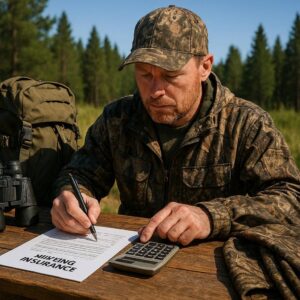
Individual Hunting Insurance Cost
What is Individual Hunting Insurance, Exactly?
Before we dive into costs, let’s define the product. Individual hunting insurance is a specialized liability and equipment policy designed for the solitary hunter or the one who ventures out outside of an organized club or guided hunt. Unlike a general homeowner’s policy, which may have severe limitations or exclusions for hunting activities, this insurance is built for the field.
At its core, it provides two fundamental layers of protection:
-
Liability Coverage: This is the cornerstone. If you accidentally cause property damage or bodily injury to another person while hunting, this coverage can help pay for legal fees, medical bills, and settlements. Imagine a stray round ricocheting and damaging a farm building, or a hunting partner being injured in a field accident.
-
Equipment & Firearm Coverage: This protects your investment in gear—your rifle, bow, optics, tree stand, and more—against theft, loss, or damage, often even while in transit or at your lodging.
“Hunting insurance isn’t an admission that something will go wrong; it’s a commitment that if it does, you’re prepared to handle it responsibly.” – Industry Risk Management Expert
The Key Factors That Determine Your Hunting Insurance Cost
Your premium is calculated based on risk assessment. Insurers evaluate numerous variables to predict the likelihood of a claim. Understanding these puts you in the driver’s seat.
1. Type of Hunting & Game
The species you pursue and how you hunt directly impact cost.
-
Big Game (Elk, Moose, Bear): Generally higher premiums. The associated firearms, travel to remote areas, and larger-scale potential for property damage (e.g., vehicle collisions) increase risk.
-
Small Game & Upland Birds: Typically lower cost. Often involves less powerful firearms and occurs in more accessible terrain.
-
Waterfowl: Can be mid-range. Adds risks associated with watercraft, decoys, and hunting in wet, cold environments.
-
Bowhunting: Often receives a slightly lower rate than firearm hunting for liability, as the perceived risk of a long-distance accidental injury is reduced. However, high-value compound bows or crossbows increase equipment coverage costs.
2. Coverage Limits You Select
This is the most direct lever controlling cost. Higher limits = higher premiums.
-
Liability Limits: Usually start at $100,000 and can go up to $2,000,000 or more. A $1,000,000 policy will cost significantly more than a $100,000 policy, but the financial protection is exponentially greater.
-
Medical Payments Coverage: Covers minor guest injuries regardless of fault. Choosing a higher limit (e.g., $5,000 vs. $1,000) adds a modest premium increase.
-
Equipment Coverage: You’ll choose a total value limit for your gear. Insuring $10,000 worth of equipment costs more than insuring $2,000 worth. You may also choose between “Actual Cash Value” (depreciated value) and “Replacement Cost” (new equivalent); Replacement Cost is better coverage and more expensive.
3. Your Location & Hunting Territory
-
State/Region: Premiums vary by state due to local laws, litigation environments, and even the density of game.
-
Type of Land: Hunting on a managed, private lease may be viewed as lower risk than hunting on vast, public wilderness areas or near agricultural land due to controlled access and known boundaries.
4. Your Experience & Safety Record
-
Years of Experience: A veteran hunter with 20 years of incident-free hunting may qualify for a better rate than a first-year hunter.
-
Safety Certifications: Completion of accredited hunter safety courses (like those from the NRA or state agencies) can lead to discounts. It demonstrates a commitment to safe practices.
-
Claims History: A history of previous hunting-related insurance claims will likely increase your premium.
5. Policy Add-Ons & Riders
Basic policies can be enhanced for specific needs, each adding to the cost:
-
Hunting Dog Coverage: Vet bills, theft, or loss of a valued retriever or hound.
-
Tree Stand Coverage: Specifically covers injury from fall or stand failure, and may include rescue costs.
-
Meat Spoilage: Reimburses the value of harvested game meat if it spoils due to a covered event (e.g., cooler failure).
-
Trip Interruption: Covers non-refundable costs if a hunting trip is cut short due to injury or other covered reasons.
6. Policy Term
-
Annual Policy: The most common and often most cost-effective for avid hunters.
-
Short-Term/Trip-Specific Policy: Ideal for a single, expensive out-of-state or international hunt. Cost is for the duration of that trip only.
Comparative Cost Table: Estimated Premium Ranges
The following table provides a snapshot of how these factors might combine to influence your annual premium. These are estimates for illustrative purposes only; your actual quote will vary.
| Hunter Profile | Primary Game | Liability Limit | Equipment Value | Estimated Annual Premium Range |
|---|---|---|---|---|
| Novice Hunter | Small Game, Upland Birds | $300,000 | $1,500 (Shotgun, basic gear) | $125 – $275 |
| Avid All-Around Hunter | Deer, Turkey, Waterfowl | $1,000,000 | $5,000 (Rifle, bow, waders, decoys) | $350 – $600 |
| Western Big Game Hunter | Elk, Mule Deer | $1,000,000 | $10,000 (High-end rifle, optic, pack) | $500 – $900 |
| International Hunter | African Plains Game (Trip Policy) | $1,000,000 | $15,000 (Rentals & personal gear) | $400 – $800 for trip duration |
Note: Premiums can be lower. Some basic liability-only policies start under $100/year, but they offer minimal protection. The adage “you get what you pay for” strongly applies to insurance.
How to Get an Accurate Quote & Save Money
Getting a real number is straightforward. Follow this checklist to be prepared:
-
Inventory Your Gear: Create a list of all firearms, bows, optics, and high-value equipment with make, model, and serial numbers. Estimate their current replacement cost.
-
Define Your Hunt: Know where you hunt (states, types of land), what you hunt, and how often.
-
Determine Your Liability Comfort Zone: Seriously consider a minimum of $1,000,000 in liability coverage. Legal defense and medical costs are extremely high, and this limit is considered a modern standard for adequate protection.
-
Shop Around: Get quotes from at least three specialized hunting or outdoor sports insurers.
-
Ask About Discounts: Inquire about bundling (if they offer other insurance), multi-year policies, safety course discounts, and association memberships (e.g., NRA, Pope & Young) that might offer partner rates.
-
Read the Fine Print: Understand exclusions. Does it cover hunting in Canada? Are there restrictions on firearm types (e.g., .50 BMG)? What is the deductible for equipment claims?
Important Note for Readers: Never assume your homeowner’s or umbrella policy covers hunting liability. Most contain “inherently dangerous activity” exclusions that can leave you completely exposed. A specialized hunting policy closes this gap definitively.
Beyond the Price: What Makes a Policy Good?
Cost is critical, but value is paramount. A cheap policy that fails when you need it is worthless. Look for these hallmarks of a robust policy:
-
“Occurrence” Form Liability: This means it covers incidents that occur during the policy period, even if the claim is filed later. This is superior to “Claims-Made” form.
-
Worldwide Coverage: Ensures you’re protected on hunting trips abroad, not just in your home state.
-
Premises Liability: Provides coverage if someone is injured at your hunting cabin or on your leased land.
-
Firearm Theft Coverage Away from Home: A vital component for gear protection.
-
Reputable, Financially Stable Insurer: Check ratings from A.M. Best or Standard & Poor’s to ensure the company can pay claims.
Conclusion
The cost of individual hunting insurance is a small, strategic investment in preserving your financial well-being and your lifelong passion. It’s shaped by your unique hunt—the game, the gear, and the ground you cover. By understanding the factors at play, from liability limits to location, you can secure a policy that offers robust protection at a fair price. Ultimately, the true value of this coverage is the peace of mind it provides, allowing you to focus wholly on the respect, skill, and serenity of the hunt.
Frequently Asked Questions (FAQ)
Q: Is hunting insurance legally required?
A: In most states, no. However, many private landowners, hunting leases, and outfitters now require proof of liability insurance before granting access. It’s becoming a standard condition of the hunt.
Q: Will this insurance cover me if I hunt on my own property?
A: Yes, a good individual hunting policy should cover your hunting activities regardless of location, including your own land. This is a crucial coverage, as your homeowner’s policy likely excludes it.
Q: Does it cover my hunting vehicle or ATV?
A: Typically, no. Damage to or caused by vehicles (ATVs, trucks, boats) is generally excluded and should be covered under your separate auto, ATV, or boat insurance policy. However, some policies may offer limited coverage for gear in a stolen vehicle.
Q: I only hunt once a year. Do I still need it?
A: Consider a short-term or per-trip policy. The risk of a catastrophic accident doesn’t diminish because you hunt less frequently. For the cost of a few boxes of ammunition, a trip policy can provide essential liability protection for that single outing.
Q: What’s the single biggest mistake hunters make with insurance?
A: Assuming they are covered. The second is underinsuring on liability. A $100,000 limit can be exhausted shockingly fast in a serious accident, leaving you personally responsible for the balance.
Additional Resource
For a deeper dive into hunter safety and ethical practices, which are the best ways to prevent incidents in the first place, we recommend the free online resources provided by Hunter-Ed.com. Their state-approved courses not only educate but may also help you qualify for insurance discounts. Combining knowledge with protection is the hallmark of a truly responsible hunter.