Navigating the world of martial arts insurance can feel like stepping onto the mat for the first time—uncertain and a bit complex. For dojo owners, independent instructors, and event organizers, understanding the financial commitment of proper coverage is crucial for both protection and peace of mind. This guide will break down the real costs, factors that influence your premiums, and practical strategies to secure the best value for your specific needs.
Let’s move beyond guesswork and into a clear, confident understanding of what it takes to insure your passion and business responsibly.
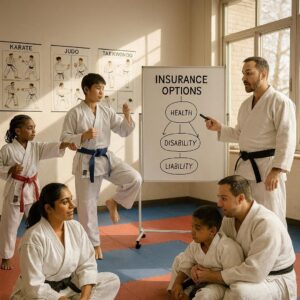
Martial Arts Insurance Cost
Why You Absolutely Need Martial Arts Insurance
Before we discuss numbers, it’s vital to understand the “why.” Martial arts, by its nature, involves controlled physical contact and inherent risk. A single accident, whether from a misplaced kick, a slip on the mat, or an equipment failure, can lead to staggering financial consequences.
General liability insurance isn’t just a line item; it’s your primary shield. It typically covers:
-
Bodily Injury to Participants or Spectators: If a student sprains an ankle or a visitor gets hurt.
-
Property Damage: If you accidentally damage a rental space or a student’s property.
-
Personal and Advertising Injury: Coverage for claims of libel, slander, or copyright infringement in your marketing.
Without it, you are personally liable. Legal fees, medical bills, and settlement costs could devastate your finances and your business. As master instructor Chen Wei often says, “True discipline in martial arts extends beyond the dojo; it includes the discipline to protect your students, your art, and your livelihood.”
Key Factors That Determine Your Premium
Your martial arts insurance cost is not a one-size-fits-all figure. Insurers assess risk based on a detailed profile of your operation. Here are the primary variables:
-
Type of Instruction and Arts Practiced: A children’s Tai Chi class is rated differently than an adult MMA gym with full-contact sparring. High-impact arts generally command higher premiums.
-
Number of Participants and Staff: More people mean greater exposure. Costs often scale with the number of active students and instructors.
-
Coverage Limits and Deductibles: Higher coverage limits (e.g., $1,000,000 vs. $2,000,000 aggregate) increase cost. Choosing a higher deductible can lower your premium.
-
Location and Facility Size: Operating in a litigious region or a large facility can affect price.
-
Your Claims History: A clean record is your best ally for lower rates.
-
Additional Coverages: Adding policies like accident medical insurance, property insurance for your equipment, or sexual abuse liability coverage will increase the total cost but provide essential, broader protection.
Important Note for Readers:
Never operate without verified coverage. A certificate of insurance (COI) is not the policy itself. Ensure you receive and read the full policy documents to understand exclusions, such as certain extreme competitions or activities. Always disclose the full nature of your activities to the insurer to avoid a claim being denied later.
Breaking Down the Costs: Realistic Price Ranges
To give you a tangible framework, here are estimated annual cost ranges for common scenarios. These are illustrative based on current market averages for standard liability coverage ($1M per occurrence / $3M aggregate).
Comparative : Annual Premium Estimates
| Coverage Scenario | Low-End Estimate | High-End Estimate | Key Influencing Factors |
|---|---|---|---|
| Independent Instructor (Renting space, 20 students) |
$450 | $900 | Art taught, claims history, location. |
| Small Dojo / Club (Owned space, 50 students, multiple instructors) |
$900 | $2,000 | Arts practiced, payroll size, included property coverage. |
| Large Commercial School (100+ students, full-time staff, retail sales) |
$2,000 | $5,000+ | Revenue, number of employees, range of high-risk activities. |
| Martial Arts Tournament / Event (Single 3-day event) |
$350 | $1,500+ | Number of competitors, spectator count, event risk level. |
What’s Included in a Typical Policy?
A robust base policy should be your foundation. For a comprehensive dojo policy, expect to see a bundle often called a “Business Owner’s Policy” (BOP) tailored for martial arts, which may include:
-
General Liability: The core coverage for third-party injuries and property damage.
-
Professional Liability: Also called “Errors & Omissions,” this covers claims of negligence in your instruction.
-
Participant Accident Medical: Provides a fixed medical benefit for injured students, regardless of fault, often with a modest deductible (e.g., $50). This is a critical add-on for student safety and goodwill.
-
Premises Liability: Covers incidents occurring at your location.
-
Equipment & Property Protection: For your mats, bags, weapons, and other gear against theft, fire, or damage.
How to Get the Best Value on Your Insurance
Securing the right coverage isn’t just about finding the cheapest price—it’s about optimal value. Follow this actionable list:
-
Work with a Specialized Broker: A broker who understands martial arts can accurately place you with insurers specializing in this niche, often securing better terms and pricing.
-
Bundle Your Policies: Purchasing a bundled package (BOP) is almost always cheaper than buying each coverage à la carte.
-
Implement a Robust Risk Management Program: Documented safety waivers, certified instructor training, clean facilities, and strict safety protocols can make you a more attractive risk to insurers.
-
Ask About Association Discounts: Belonging to a national or regional martial arts association (e.g., USA Karate, AAU) often provides access to discounted group insurance plans.
-
Annually Review and Compare: Don’t auto-renew without reviewing. Your needs change, and the market changes. Get quotes from 2-3 providers each year.
Additional Resources for Dojo Owners
Beyond insurance, protecting your business is holistic. Consider these resources:
-
The Small Business Administration (SBA) website for general business planning guides.
-
“The Business of Martial Arts” by Michael Matsuda for industry-specific business advice.
-
Your local community college for small business management courses.
Frequently Asked Questions (FAQ)
Q: Can I get insured if I teach out of my garage or a community center?
A: Yes. Many policies are designed for independent instructors. You must disclose the teaching location, and the community center will likely require you to list them as an “additional insured” on your policy.
Q: Does insurance cover online/virtual training sessions?
A: This is a gray area and varies by carrier. You must explicitly ask your insurer. Some may require a rider or endorsement to cover virtual instruction, as the risk profile is different.
Q: Are students covered when they are at an off-site tournament?
A: Typically, no. Your dojo’s general liability policy usually covers activities at your listed premises. Tournaments require separate event insurance. Always check your policy’s “territorial” limits.
Q: How quickly can I get a certificate of insurance (COI)?
A: Once you purchase a policy, most specialized brokers can provide a COI digitally within 24-48 hours, sometimes instantly.
Q: Is accident medical insurance worth the extra cost?
A: Absolutely. It provides a direct, no-fault path to covering a student’s initial medical expenses (e.g., an ER visit for a suspected fracture). This can prevent smaller incidents from escalating into major liability lawsuits and demonstrates tremendous care for your students.
Conclusion
Understanding martial arts insurance cost is about evaluating risk, coverage quality, and the long-term security of your practice. By assessing your specific needs, comparing quotes from specialized providers, and implementing strong safety protocols, you can find a policy that offers both protection and peace of mind. The right investment safeguards not just your assets, but also the community you’ve built and the art you promote.