Let’s be honest: shopping for dental insurance isn’t usually at the top of anyone’s fun-things-to-do list. It can feel like wading through a sea of jargon, confusing acronyms, and fine print. You just want to know one simple thing: Will this plan help me keep my teeth healthy without breaking the bank?
The phrase “optimum dental insurance” sounds great, doesn’t it? It implies a perfect plan, a gold standard. But the truth is, the “optimum” plan doesn’t exist as a one-size-fits-all product you can buy off a shelf. Instead, it’s a concept. It’s about finding the right plan for your unique situation.
Think of it like buying a car. The “optimum” vehicle for a family of six is a minivan, but for a single college student, it might be a reliable used sedan. The same logic applies here. Your perfect dental plan depends on your health needs, your budget, and your financial goals.
This guide is designed to help you cut through the noise. We’ll walk through everything you need to know to find the coverage that feels just right—your personal optimum dental insurance.

Optimum Dental Insurance
What Does “Optimum Dental Insurance” Actually Mean?
Before we dive into the details, let’s define our terms. When we talk about finding the best plan, we’re really looking for a balance between three key factors:
-
Cost: This includes the monthly premium (what you pay each month to have the insurance), the deductible (what you pay out-of-pocket before the insurance kicks in), and any copayments or coinsurance.
-
Coverage: What procedures are included? Does it cover preventative care like cleanings? What about major work like crowns or braces?
-
Access: Can you see a dentist you trust? Is there a large network of providers to choose from?
The sweet spot—the “optimum” point—is where these three factors align perfectly with your personal needs. For someone who only needs routine checkups, a low-cost plan with great preventative coverage is ideal. For someone planning a major dental procedure, a plan with a higher premium but better coverage for major work might be the smarter choice.
The Landscape of Dental Insurance: Understanding Your Options
To find your perfect plan, you first need to understand the different types of plans available. They all work a little differently. Let’s break down the most common ones in a simple way.
1. Dental Preferred Provider Organization (DPPO)
This is the most common type of dental insurance you’ll find, especially through employers. Think of a PPO as a network of dentists who have agreed to provide services at a discounted rate.
-
How it works: You can choose any dentist you want, but you’ll pay less out-of-pocket if you choose one “in-network.” If you go “out-of-network,” you’re still covered, but you’ll pay a higher percentage of the cost.
-
Pros: Flexibility. You aren’t locked into a specific dentist. Usually has a large network.
-
Cons: You have to stay mindful of which dentists are in-network to maximize your benefits. There’s often a deductible to meet first.
2. Dental Health Maintenance Organization (DHMO)
Sometimes called a dental HMO, this plan is often the most budget-friendly option in terms of monthly premiums. However, it comes with more rules.
-
How it works: You must choose a primary care dentist from the plan’s network. This dentist coordinates all your care. If you need to see a specialist, you’ll usually need a referral from your primary dentist. There is typically no deductible, and copays for services are fixed and low.
-
Pros: Very low monthly premiums and predictable, low out-of-pocket costs. No annual maximums to worry about.
-
Cons: You have very little choice. You must see a dentist in the network, and getting care out-of-network usually isn’t covered at all (except for emergencies). You might have less flexibility in scheduling.
3. Dental Indemnity Plans (Fee-for-Service)
This is the old-school model of insurance. It offers the most freedom, but also requires the most paperwork.
-
How it works: You can go to any dentist you like. You pay the dentist directly for their services, and then you submit a claim to the insurance company. They will reimb you for a set percentage of the cost (based on a fee schedule).
-
Pros: Maximum freedom of choice. You can see any dentist in the country.
-
Cons: Often comes with higher out-of-pocket costs. You may have to pay the full bill upfront and wait for reimbursement. It can involve more administrative work.
4. Dental Discount Plans
It’s important to note that these are not insurance plans. They are membership programs.
-
How it works: You pay a monthly or annual fee to get access to a network of dentists who have agreed to give discounts to members. You show your card at the appointment and receive a reduced rate (usually 10-60% off).
-
Pros: Simple and easy to understand. No waiting periods, no annual maximums, no claim forms. Can be a good option if you don’t have insurance.
-
Cons: You are still paying 100% of the discounted fee. There’s no insurance company paying a portion of your bill. It’s a discount, not coverage.
Quick Comparison: At a Glance
| Plan Type | Flexibility | Monthly Cost | Out-of-Pocket Costs | Best For… |
|---|---|---|---|---|
| DPPO | High | Medium | Medium | People who want a good balance of choice and coverage. |
| DHMO | Low | Low | Low | Budget-conscious individuals who don’t mind a limited network. |
| Indemnity | Very High | High | High | People who want absolute freedom to see any dentist. |
| Discount Plan | Medium | Low (Fee) | Varies (Discounted) | Those without insurance seeking predictable, lower costs. |
Decoding the Fine Print: Key Terms You Must Know
Insurance policies are famous for their confusing language. To find your optimum plan, you need to become a bit of a detective. Here are the key terms you’ll see on every plan and what they really mean for your wallet.
Monthly Premium: The Membership Fee
This is the amount you pay each month, every month, just to have the insurance. It’s like a gym membership—you pay it whether you use the services or not. When comparing plans, a lower premium might seem great, but it often means higher costs when you actually go to the dentist.
Annual Deductible: The First Hurdle
This is the amount you have to pay out-of-pocket each year before your insurance company starts to pay its share. For example, if your plan has a $50 deductible, you will pay the first $50 of your dental costs for the year. After that, your insurance benefits kick in. Preventative care (like cleanings) is often excluded from the deductible, meaning it’s covered right away.
Coinsurance: Splitting the Bill
Even after you’ve met your deductible, you usually don’t get a free ride. Coinsurance is the percentage of the bill that you are responsible for. A common split is 100/80/50.
-
Preventative Care (100%): The insurance pays 100% of the cost for things like cleanings and checkups.
-
Basic Procedures (80%): The insurance pays 80%, and you pay 20%. This might include fillings, simple extractions, and root canals.
-
Major Procedures (50%): The insurance pays 50%, and you pay 50%. This often includes crowns, bridges, dentures, and oral surgery.
Annual Maximum: The Cap
This is a very important number. It’s the absolute maximum amount of money your insurance company will pay for your care in a single year. If your plan has a $1,500 annual maximum and you need a $3,000 crown, the insurance will pay up to $1,500, and you are responsible for the remaining $1,500.
Important Note: Most dental insurance plans have relatively low annual maximums, typically ranging from $1,000 to $2,000. In the world of healthcare, this is a low cap, so it’s essential to be aware of it, especially if you anticipate needing significant work.
Waiting Periods: The Delay
Many plans, especially individual plans you buy on your own, have waiting periods. This means you have to wait a certain amount of time after purchasing the plan before you can get coverage for certain procedures. For instance, there might be a 6-month waiting period for basic care and a 12-month waiting period for major care. This is to prevent people from signing up for insurance only when they need an expensive procedure and then dropping it.
Missing Tooth Clause: The Loophole
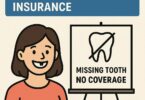
This is a tricky one. Some plans have a clause that says they will not provide coverage for a tooth that was missing before you enrolled in the plan. So, if you were missing a tooth and wanted to get an implant to replace it, the plan might deny coverage for that specific tooth because it was a pre-existing condition.
How to Find Your Optimum Dental Insurance: A Step-by-Step Plan
Now that you speak the language, it’s time to put that knowledge to use. Here is a practical guide to finding the best plan for you.
Step 1: Take an Honest Look at Your Dental Health
This is the most important step. Be realistic. Don’t just think about where you are now; think about where you might be in the next 12 months.
-
Are you generally healthy? If you just need two cleanings and a checkup per year, you have different needs than someone with known issues.
-
Do you have any ongoing concerns? Are you experiencing tooth pain? Do you have old fillings that might need replacing? Are you considering cosmetic work?
-
What about your family? If you have kids, look for plans with good orthodontic coverage for braces. If you’re a senior, focus on coverage for crowns, dentures, and implants.
Step 2: Set Your Budget
Look at your finances and decide what you can realistically afford. Remember to factor in all the costs we discussed:
-
The monthly premium. Can you afford $30, $50, or $80 per month?
-
The deductible. Can you handle a $50 or a $100 out-of-pocket payment at the start of the year?
-
The coinsurance. Are you prepared to pay 20-50% of the cost of a major procedure if one comes up?
Step 3: Check Your Current Dentist (If You Have One)
If you love your dentist and want to keep seeing them, this step is non-negotiable. Call their office and ask, “Which dental insurance plans are you in-network with?” If a plan you’re considering isn’t in their network, you have two choices: find a new plan or find a new dentist.
Step 4: Compare Plans Like a Pro
Don’t just look at the premium. Compare the full picture. Use a spreadsheet or a notebook to compare plans side-by-side. Ask these questions:
-
What is the annual maximum? ($1,000? $1,500? $2,000?)
-
What is the deductible, and does preventative care count towards it?
-
What are the coinsurance levels for basic and major care?
-
Are there any waiting periods?
-
Is orthodontic coverage included for children or adults?
-
What is the coverage for major procedures like implants or oral surgery?
Step 5: Read the Summary of Benefits
This is the document that lays out exactly what is and isn’t covered. It’s not the most exciting reading, but it’s where you find the truth. Look for the sections on “Exclusions and Limitations” to see what the plan won’t pay for.
Real-World Scenarios: What Optimum Looks Like for Different People
To bring all this information together, let’s look at how the concept of “optimum” applies to different individuals.
Scenario 1: The Young and Healthy Professional
-
Profile: Sarah is 28, single, and has no dental issues. She just needs her twice-yearly cleanings and checkups. She wants to keep costs as low as possible.
-
Her Optimum Plan: A low-cost DHMO or a budget-friendly PPO with a low premium. Since she only needs preventative care, which is usually covered at 100%, she can minimize her monthly costs. The low annual maximum isn’t a concern for her.
-
Her Focus: Low monthly premium. Preventative care at 100%.
Scenario 2: The Growing Family
-
Profile: The Miller family has two kids, ages 8 and 10. They know braces are likely in the future. They need a plan that covers routine care for everyone and helps with the big cost of orthodontics.
-
Their Optimum Plan: A comprehensive PPO plan with a specific orthodontic benefit for children. They are willing to pay a higher premium for this coverage. They also look for a plan with a higher annual maximum to help absorb the cost of braces.
-
Their Focus: Orthodontic coverage. Preventative care. A higher annual maximum.
Scenario 3: The Pre-Retiree Planning Ahead
-
Profile: David is 60 and has a few old crowns and a missing tooth he’s been thinking about replacing with an implant. He wants a plan that will help with potential major work.
-
His Optimum Plan: He needs to be careful. Many plans have long waiting periods for major care and low annual maximums. He might look for a PPO with a higher premium but a higher annual maximum and better coverage for major procedures (like 50% for implants). He also needs to check for “missing tooth clauses.”
-
His Focus: Coverage for major procedures (crowns, implants). High annual maximum. Short or no waiting periods.
Beyond Insurance: Other Ways to Make Dental Care Affordable
Sometimes, even with insurance, the costs can add up. If you find yourself in a situation where your insurance doesn’t cover everything, or you don’t have insurance at all, here are some additional resources to consider.
-
Dental Savings Plans: As mentioned earlier, these are great for getting an instant discount if you don’t have insurance.
-
In-House Membership Plans: Many dental offices are now offering their own discount plans. You pay a flat annual fee to the office and receive discounted rates on all services. It’s a simple, direct relationship.
-
Dental Schools: This is a fantastic option for major work. Dental students, supervised by experienced instructors, provide care at a significantly reduced cost. The appointments take longer, but the savings can be substantial.
-
Financing Options (CareCredit): Many dental offices offer third-party healthcare credit cards like CareCredit. These allow you to pay for your treatment over time, often with no interest if paid in full within a promotional period.
-
Government Programs: Medicaid and the Children’s Health Insurance Program (CHIP) provide dental coverage for eligible low-income individuals and families. Benefits vary by state.
Conclusion
Finding your version of optimum dental insurance isn’t about finding a mythical “perfect” policy. It’s about becoming an informed consumer. It’s about understanding your own needs, learning the language of the insurance world, and carefully comparing your options.
Take the time to look past the monthly premium and understand the deductible, coinsurance, and annual maximum. Consider your future dental needs, not just your current ones. And always, always check to see if your favorite dentist is in the network.
By following the steps in this guide, you can move from feeling confused and overwhelmed to feeling confident and in control. You can find a plan that protects your smile, fits your budget, and gives you peace of mind—and that, truly, is the optimum choice.
Frequently Asked Questions (FAQ)
1. Is dental insurance worth it if I only go for cleanings?
Yes, often it is. Even if you only go for two cleanings a year, the cost of those cleanings out-of-pocket can sometimes equal or exceed the annual premium of a basic plan. Plus, having insurance encourages you to keep up with those preventative visits, which can help catch small problems before they become expensive ones.
2. What is the average cost of dental insurance?
For an individual PPO plan, you might pay anywhere from $20 to $50 per month. Family plans will be more, often ranging from $50 to over $100 per month. DHMO plans are usually cheaper, with premiums often under $20 per person per month.
3. Can I get dental insurance with no waiting period?
Yes, some plans, particularly group plans offered by employers, often have no waiting periods. Some individual PPO plans may also offer “first-day coverage” for preventative care, but often have waiting periods for basic and major services. Discount plans have no waiting periods at all.
4. What is the difference between dental insurance and vision insurance?
They are entirely separate. Dental insurance covers services related to your teeth, gums, and mouth. Vision insurance covers eye exams, glasses, and contact lenses. They are sometimes bundled together in benefits packages, but they function as distinct policies.
5. Does dental insurance cover cosmetic procedures like teeth whitening?
Generally, no. Traditional dental insurance is designed for health and function, not cosmetics. Procedures like teeth whitening, veneers for cosmetic purposes only, and cosmetic bonding are almost always excluded.
Additional Resource
For unbiased, official information on finding and understanding health insurance (which sometimes includes dental), visit the official government marketplace at Healthcare.gov. If you are shopping for an individual plan, this is the starting point to see if you qualify for subsidies or to compare plans available in your area.