Let’s be honest: figuring out dental insurance can sometimes feel like you need a decoder ring. Between deductibles, maximums, and lists of covered procedures, it’s easy to get overwhelmed. If you’ve come across the term “Pearl dental insurance” and are trying to understand what it means for you and your family, you’re in the right place.
This guide is designed to pull back the curtain. We’ll explore what dental insurance typically offers, how to evaluate a plan like one from Pearl, and, most importantly, how to make your benefits work hard for your smile. We’ll keep things simple, clear, and focused on what you actually need to know.

Pearl Dental Insurance
What is “Pearl Dental Insurance”? Understanding the Name
First, a quick note on terminology. You might be searching for “Pearl dental insurance” because you’ve heard the name associated with dental benefits. In the insurance world, “Pearl” often refers to specific plan names or networks offered by larger, established insurance companies. Think of it as a brand or a product line within a bigger portfolio.
For example, you might encounter a “Pearl Select” plan from a major provider. The goal of these branded plans is usually to offer a balanced mix of affordability and coverage, often marketed towards individuals, families, or small businesses looking for reliable options.
So, when we talk about “Pearl dental insurance” in this article, we’re discussing the type of plan you’d expect to find under that name—a modern, consumer-friendly dental benefit. We’ll focus on the core components that define these plans and how they compare to others on the market.
The Building Blocks of Any Dental Plan: What to Look For
Before diving into specifics, it’s crucial to understand the basic parts of any dental insurance policy. These are the terms you’ll see on every brochure and summary of benefits.
1. Monthly Premiums: The Cost of Coverage
This is the predictable part. Your premium is the amount you pay each month to keep your insurance active, regardless of whether you visit the dentist. Think of it as your membership fee. When evaluating a plan, you need to balance the monthly premium with the other costs.
-
Lower Premium: Usually means you’ll pay more out-of-pocket when you actually get care (higher deductibles and copays).
-
Higher Premium: Often translates to better coverage and lower out-of-pocket costs when you need treatment.
2. Deductibles: Your Share Before Coverage Kicks In
The deductible is the amount you must pay out-of-pocket for certain services before your insurance company starts to pay its share. For example, if you have a $50 deductible and need a filling that costs $150, you’ll typically pay the first $50, and then the insurance will cover its portion of the remaining $100.
Important Note: Many plans waive the deductible for preventive care like cleanings and exams. This encourages you to get regular checkups, which helps prevent more serious (and expensive) problems down the road.
3. Coinsurance: Splitting the Bill
Coinsurance is the percentage of costs you share with your insurance company after you’ve met your deductible. It’s usually structured in a 100/80/50 format, which is the industry standard.
-
Preventive Care (100%): Services like routine cleanings, oral exams, and X-rays are often covered at 100%. This means the plan pays the entire allowed amount, and you pay $0.
-
Basic Procedures (80%): Fillings, simple extractions, and root canals typically fall into this category. After your deductible, the plan pays 80% of the cost, and you are responsible for the other 20%.
-
Major Procedures (50%): More complex work like crowns, bridges, dentures, and sometimes oral surgery is covered at 50%. You and the insurance company split the cost equally.
4. Annual Maximum: The Yearly Cap
This is a critical number. The annual maximum is the total dollar amount your dental insurance plan will pay toward your care within a one-year period (usually from January to December). Common maximums range from $1,000 to $2,000.
Once you and your insurance company’s payments hit that limit, you are responsible for 100% of the costs for the rest of the year. This is why it’s so important to plan major treatments and understand your coverage limits.
5. In-Network vs. Out-of-Network
Insurance companies contract with a network of dentists who have agreed to provide services at a pre-negotiated rate. Staying “in-network” means you’ll get the highest level of benefits and pay the lowest rates.
-
In-Network: Lower out-of-pocket costs. The dentist bills the insurance directly for the negotiated fee.
-
Out-of-Network: You can still see your preferred dentist, but they may charge more than what your plan considers “usual and customary.” You will likely have to pay the difference, resulting in higher costs.
A Realistic Look at Dental Coverage
It’s easy to assume that insurance will cover everything. In reality, dental insurance is designed more as a preventive maintenance plan with a budget for minor repairs. It helps you stay healthy and can significantly offset the cost of unexpected issues, but it’s not typically designed to cover major, multi-year reconstruction projects entirely.
Think of it like car insurance. You use it for oil changes (preventive) and help with unexpected repairs (basic/major), but it won’t buy you a brand new engine if you don’t maintain your car. The key is understanding your plan’s strengths.
Evaluating a Plan: What Would Pearl Dental Insurance Offer?
Let’s imagine a hypothetical plan called “Pearl Complete.” We’ll use this example to walk through how a typical mid-tier dental insurance plan works. Remember, specific details vary, so always read the official plan documents.
| Feature | Hypothetical “Pearl Complete” Plan | What This Means For You |
|---|---|---|
| Monthly Premium | $35 – $50 per person | A predictable, manageable monthly cost for peace of mind. |
| Deductible | $50 per person / $150 per family | A modest upfront cost before insurance helps with basic/major care. Often waived for preventive visits. |
| Preventive Care | Covered at 100% (No deductible) | Your twice-yearly cleanings and exams are free. This encourages you to go! |
| Basic Care | Covered at 80% after deductible | If you need a couple of fillings, your out-of-pocket cost will be manageable. |
| Major Care | Covered at 50% after deductible | For something like a crown, the insurance helps significantly, but you’ll have a larger share to pay. |
| Annual Maximum | $1,500 per person | This is the safety net budget for the year. Once this is used up, you pay 100%. |
| Network | A large, national PPO network | You have a wide choice of dentists who accept the plan, keeping your costs down. |
The “Pearl Select” Option: A Cost-Conscious Choice
Many insurance families also offer a more budget-friendly version, perhaps called “Pearl Select.” This plan might have:
-
A slightly lower monthly premium (e.g., $25-$40).
-
A similar or slightly higher deductible.
-
A lower annual maximum (e.g., $1,000).
-
A network that is possibly smaller or more focused.
This type of plan is a great entry point for young adults or those on a tight budget who want to ensure they get their preventive care covered.
The “Pearl Premier” Option: Enhanced Coverage
On the other end of the spectrum, a “Pearl Premier” plan might offer:
-
A higher monthly premium (e.g., $60-$80).
-
A lower deductible.
-
A higher annual maximum (e.g., $2,000 or $2,500).
-
Potentially better coverage for major procedures, like 50% coverage for implants (which are often not covered in standard plans).
This option is ideal for families or individuals who anticipate needing more dental work and want a stronger financial safety net.
Maximizing Your Benefits: Smart Strategies
Once you have a plan, the goal is to get the most value out of it. Here are some practical tips to help you do just that.
1. Never Skip Your Preventive Visits
This is the golden rule of dental insurance. Because cleanings and exams are covered at 100% (or with a very small copay), skipping them is literally throwing away free money. More importantly, these visits catch small issues—like a tiny cavity—before they turn into big, expensive problems (like a root canal and crown). Use your benefits to stay healthy!
2. Understand Your Plan’s “Calendar Year”
Most dental plans run on a calendar year (January 1 to December 31). This means two important things:
-
Your deductible and annual maximum reset every January 1st.
-
Unused benefits from the current year do not roll over to the next year. It’s a “use it or lose it” system.
If you have treatment you know you need and you’ve already met your deductible, it’s often smart to schedule it before the end of the year.
3. Coordinate Family Coverage
If you have a family plan, understand how the deductibles and maximums work. Often, there is an individual deductible and a family deductible. Once the family deductible is met, all members are considered to have met their deductible for the year. Similarly, each person typically has their own annual maximum. If one family member needs extensive work, be aware that they might hit their individual maximum, but that doesn’t affect the coverage for others in the family.
4. Plan Major Treatment Strategically
Let’s say you need a crown that costs $1,200, and your plan covers major work at 50% with a $1,500 annual maximum.
-
The insurance would pay $600 (50%).
-
You would pay $600.
-
You would have $900 remaining in your annual maximum for the year ($1,500 – $600).
If you need a more expensive procedure, like a bridge, you might need to plan it with your dentist’s office to ensure the billing is structured to maximize your benefits across two calendar years. For example, they might be able to perform a portion of the work in late fall and complete it in early winter, splitting the cost across two different annual maximums.
5. Always Check Your Explanation of Benefits (EOB)
After a dental visit, your insurance company will send you an EOB. This is not a bill. It’s a statement that shows what the dentist charged, what the insurance company allowed, what they paid, and what your responsibility is. Reviewing this document helps you understand how your benefits were applied and catch any potential errors.
Common Questions About Dental Insurance
Navigating the world of dental benefits always brings up questions. Let’s address some of the most common ones.
What is the “Missing Tooth Clause”?
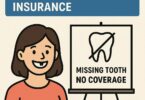
This is an important detail in many dental plans. If you had a tooth extracted before your current dental insurance policy began, some plans will not cover a bridge or implant to replace it. They consider it a pre-existing condition. However, most modern group plans (through an employer) do not have this clause. It’s more common in individual plans.
Are Dental Implants Covered?
This varies wildly from plan to plan. Many standard plans still classify implants as a “major” procedure, if they cover them at all. Some might offer 50% coverage, while others may consider them cosmetic and offer no coverage, instead covering a less expensive option like a bridge. If you are considering implants, you must check the plan’s specifics. More comprehensive plans, like the hypothetical “Pearl Premier” mentioned earlier, are more likely to include implant coverage.
What if I Need Orthodontics (Braces)?
Orthodontic coverage for adults and children is often an optional add-on or a feature of higher-tier plans. It typically works differently than regular dental coverage, often with a separate lifetime maximum (e.g., $1,500 or $2,000 per person) rather than an annual maximum. If you have children or are considering braces for yourself, you need to look for a plan that explicitly includes orthodontic benefits.
Can I Get Dental Insurance if I’m Retired and on Medicare?
Original Medicare (Parts A and B) does not cover routine dental care. This is a significant gap. Many retirees opt for a stand-alone dental insurance plan or a Medicare Advantage plan (Part C) that includes dental benefits. This is a crucial consideration for retirement planning.
The Importance of Reading the Fine Print
Before you sign up for any plan, including one from the Pearl family, you must look beyond the glossy marketing. The “Summary of Benefits and Coverage” is your best friend. It’s a standardized document that clearly explains what is and isn’t covered.
Pay special attention to the exclusions and limitations section. This will tell you about:
-
Waiting periods (how long you have to wait before coverage kicks in for certain procedures).
-
Frequencies (e.g., “one cleaning every 6 months” or “one set of full mouth X-rays every 3 years”).
-
Alternative benefit provisions (if the plan will only pay for the least expensive, medically appropriate treatment, like a filling instead of a crown).
Is Dental Insurance Worth It?
This is the ultimate question, and the answer depends on your personal situation.
-
For those who are generally healthy: Yes. Even if you only go for your two free cleanings a year, you are getting a value that likely exceeds your annual premium. You are also buying protection against the unpredictable—a sudden toothache that requires a root canal could cost thousands.
-
For families: Absolutely. Children need regular checkups, and the chances of at least one family member needing a filling or other treatment in a given year are high. The pooled risk makes insurance a smart financial move.
-
For those on a very tight budget: A low-premium plan focused on prevention can be a great safety net. It ensures you don’t neglect your oral health, which is directly linked to your overall health.
-
For those with no major dental needs predicted: Some people prefer to “self-insure” by putting the money they would have spent on premiums into a savings account. This works well if you are disciplined and lucky, but it leaves you vulnerable to a large, unexpected dental bill.
“Think of dental insurance as a partner in your preventive health. It makes the routine care affordable and provides a valuable buffer against the unexpected. The real value isn’t just in the dollars saved, but in the encouragement it gives you to stay proactive about your health.” – A common sentiment among dental health advocates.
Conclusion: Your Smile, Your Investment
Navigating the world of “Pearl dental insurance” or any dental plan comes down to understanding the fundamentals. It’s about knowing your premiums, deductibles, coinsurance, and annual maximums. It’s about recognizing that these plans are designed to promote preventive care and help manage the costs of basic and major procedures.
By being an informed consumer, you can select a plan that fits your budget and your health needs. Once you’re enrolled, the real power lies in using your benefits wisely—never skipping a cleaning, planning major treatment strategically, and always reading your EOBs. Your smile is a vital part of your overall well-being, and a good insurance plan is a tool to help you protect it.
In short, dental insurance provides a framework for preventive care and a safety net for the unexpected, making it a valuable investment in your long-term health.
Frequently Asked Questions (FAQ)
1. Is “Pearl” a specific insurance company?
It can be. Often, “Pearl” is used as a brand name or product line by larger, established insurance carriers. For example, you might see a “Pearl Select” plan offered by a major national company. It’s best to look at the carrier’s name on the plan documents to know exactly who is providing the insurance.
2. How soon after getting a Pearl dental plan can I use it?
This depends on the specific policy. Preventive care like cleanings is often available immediately or after a very short waiting period. However, many plans have waiting periods (e.g., 6 months for basic care, 12 months for major care) to prevent people from signing up only when they need expensive work. Always check the “waiting periods” in your plan details.
3. What if my dentist isn’t in the Pearl network?
If your dentist is out-of-network, you can still see them, but it will likely cost you more. You will be responsible for the difference between what your dentist charges and what your insurance plan allows. You may also have to pay the full bill upfront and file for reimbursement yourself. It’s almost always more cost-effective to choose an in-network dentist.
4. Does Pearl dental insurance cover teeth whitening?
Generally, no. Standard dental insurance plans, including most from the Pearl family, consider cosmetic procedures like teeth whitening to be elective and not medically necessary. Therefore, they are almost never covered. You would need to pay for these services out-of-pocket.
5. What happens to my coverage if I retire or lose my job?
If you have dental insurance through an employer, your coverage will end when your employment ends. However, you may be eligible for COBRA, which allows you to continue the same coverage for a limited time by paying the full premium yourself. You can also shop for an individual dental insurance plan on the open market to ensure you don’t have a gap in coverage.
Additional Resource
For more information on maintaining good oral health and understanding the connection between your mouth and body, the American Dental Association (ADA) provides excellent patient resources. Their “MouthHealthy” site offers practical advice for patients of all ages.