Buying a home is one of the most significant financial decisions you’ll ever make. Amidst the excitement of finding the perfect house, the paperwork and closing costs can feel overwhelming. One line item that often causes confusion is title insurance. What is it, why do you need it, and—most pressingly—how much does it cost in Ohio? This guide will demystify title insurance costs in the Buckeye State, providing you with the clear, reliable information you need to budget wisely and close with confidence.
Unlike other insurance that protects against future events, title insurance is a unique form of protection. It safeguards you and your lender from financial loss due to problems with the property’s title that occurred in the past. These hidden issues, or “defects,” can include unknown heirs claiming ownership, unpaid property taxes, recording errors, or even fraud. Title insurance provides a safety net, ensuring your rightful ownership is defended.
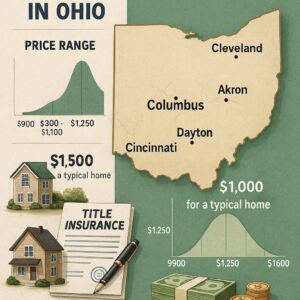
Title Insurance Cost in Ohio
What is Title Insurance and Why is it Crucial in Ohio?
Think of a property title as its legal DNA—a history of every owner, loan, and legal action associated with the land. A “clear” title means the chain of ownership is unambiguous and free of unresolved issues. Title insurance is the guarantee that this history has been thoroughly searched and is as stated. If a challenge to your ownership arises after you buy the home, the title insurance company will step in to cover legal fees and losses, up to the policy’s value.
In Ohio, this protection isn’t just a good idea; it’s a standard requirement. Your mortgage lender will insist on a lender’s title insurance policy to protect their financial interest in the property. However, this policy does not protect you, the homeowner. For that, you need an owner’s title insurance policy. While the owner’s policy is optional in a legal sense, forgoing it is an enormous financial risk. The one-time premium provides coverage for as long as you or your heirs own the property.
“Title insurance is the cornerstone of secure real estate ownership. It transforms the complex history of a property into a simple promise: your home is truly yours.” – A Veteran Ohio Real Estate Attorney.
Breaking Down the Components of Title Insurance Cost
The total cost you see at closing isn’t a single fee. It’s composed of several parts:
-
Title Search and Examination Fee: This is the labor cost for a professional to scour public records at the county recorder’s office. They look for deeds, wills, divorces, court judgments, tax records, and liens to verify the seller’s right to transfer ownership and identify any issues that must be resolved before closing.
-
Title Insurance Premium (One-Time): This is the core cost for the insurance policy itself. It is a one-time payment made at closing that provides coverage for the lifetime of your ownership. This premium is regulated in Ohio.
-
Settlement or Closing Fee: This fee is paid to the title company or attorney for conducting the closing, preparing final documents, and disbursing funds.
-
Endorsements (if needed): These are add-ons to the standard policy for specific situations, like coverage for a property with an easement or a newly built home.
How Much Does Title Insurance Cost in Ohio? A 2024 Overview
Ohio is a “promulgated rate” state. This means the Ohio Department of Insurance sets and approves the rates for title insurance premiums. Companies cannot offer discounts or compete on the base premium price, ensuring consistency for consumers. The cost is primarily based on the property’s purchase price or loan amount.
Ohio Owner’s Title Insurance Premium Calculator
The standard rate for an Owner’s Policy in Ohio follows a tiered structure. Here’s a simplified table for a typical purchase:
| Purchase Price of Home | Estimated Owner’s Title Insurance Premium (One-Time) |
|---|---|
| $100,000 | $575 |
| $250,000 | $925 |
| $350,000 | $1,175 |
| $500,000 | $1,475 |
| $750,000 | $1,925 |
| $1,000,000 | $2,375 |
Note: These are estimated base premiums. The final cost may include ancillary fees.
Lender’s Title Insurance Policy Cost
The Lender’s Policy (also called a loan policy) is typically less expensive. In a common scenario, when both an Owner’s and a Lender’s policy are issued simultaneously for the same transaction, the lender’s policy is offered at a significantly reduced “simultaneous issue” rate, often around $100-$250. It’s crucial to understand you are paying for two separate policies.
Real-World Closing Cost Scenario in Ohio
Let’s look at a practical example for a home with a $300,000 purchase price in Franklin County:
| Fee Description | Estimated Cost | Notes |
|---|---|---|
| Title Search & Examination | $250 – $400 | Varies by county complexity and property history. |
| Owner’s Title Insurance Premium | $1,025 | Based on the Ohio promulgated rate for $300,000. |
| Lender’s Title Insurance Premium | $150 | Low simultaneous issue rate when bundled with owner’s policy. |
| Settlement/Closing Fee | $300 – $500 | Fee for facilitating the closing transaction. |
| Estimated Total Title-Related Cost | $1,725 – $2,075 | This is a portion of your total closing costs, which also include appraisal, recording fees, etc. |
Key Factors Influencing Your Final Title Insurance Quote in Ohio
While the insurance premium itself is fixed, several variables can affect your total title-related closing costs:
-
Property Purchase Price: The single biggest determinant of the premium.
-
County of Purchase: Filing fees, recording fees, and the complexity of the title search can vary by county. Urban counties with older property records may have slightly higher search fees.
-
Property History & Type: A newly constructed home on subdivided land may have a simpler title history than a 100-year-old home in a historic neighborhood, which could require more extensive research.
-
Choice of Title Company: While the premium is fixed, other fees (search, settlement, courier) can vary between providers. It pays to shop around.
-
Negotiating Who Pays: In Ohio, the party responsible for the title insurance costs is a matter of local custom and negotiation. Often, the buyer pays for the lender’s policy, and the seller pays for the owner’s policy, but this is not a law. Always clarify this in your purchase contract.
Helpful List: Questions to Ask Your Title Company or Agent
-
Can you provide a complete, itemized Closing Disclosure or fee worksheet upfront?
-
Are all your fees (search, settlement, etc.) competitive?
-
What specific endorsements are you recommending for my property, and why?
-
What is your process and timeframe for handling claims?
How to Potentially Save on Title Insurance in Ohio
Since the premium is regulated, you can’t “shop for a cheaper rate,” but you can control the overall cost:
-
Shop Around for Title Services: Get quotes from multiple title agencies or attorneys for their bundled service fees (search, closing, etc.).
-
Ask About Reissue Rates: If the property had an owner’s policy issued within the past 10 years, you may qualify for a substantial “reissue rate” discount on the new owner’s premium—often 30% or more. Be sure to ask!
-
Understand and Question Every Fee: Review the Good Faith Estimate and Closing Disclosure carefully. Ask for explanations of any unfamiliar charges.
-
Negotiate with the Seller: As part of your offer, you can request the seller pay for the owner’s title insurance policy. This is a common negotiating point.
Important Note for Readers: The Owner’s Title Insurance Policy protects you, the homeowner. While it adds to your upfront closing costs, it is a one-time payment for peace of mind that lasts decades. Weighing this cost against the potential risk of a six-figure legal battle over your property’s title is essential. It is a cornerstone of a sound real estate investment.
The Indispensable Value of Title Insurance
Some buyers see title insurance as just another closing cost to be minimized. In reality, it is a critical investment in security. The title search alone uncovers and resolves most issues, preventing surprises at closing. The insurance policy is your backstop for the one problem that didn’t show up in the records. For a one-time fee, you secure a legal defense team and financial protection for your most valuable asset.
Conclusion
Understanding title insurance costs in Ohio empowers you to navigate your home purchase with confidence. Remember that the core premium is fixed by the state, but you can save by shopping for service fees and asking about reissue rates. Always secure an owner’s policy to protect your own equity. By budgeting for this essential coverage and asking the right questions, you turn a complex cost into a simple investment in your family’s secure future.
Frequently Asked Questions (FAQ)
Q: Is owner’s title insurance mandatory in Ohio?
A: No, it is not legally required. However, your lender will require a lender’s policy. Declining an owner’s policy is a high-risk decision, as it leaves you personally vulnerable to title defects.
Q: Can I shop around for a better title insurance rate in Ohio?
A: The base insurance premium is set by the state, so that rate will be identical among all providers. However, you can and should shop around for the best package deal on the other title service fees (search, examination, closing fee), as these can vary significantly.
Q: Who usually pays for title insurance in an Ohio home sale?
A: There is no statewide rule. Local customs vary. In many parts of Ohio, it is customary for the seller to pay for the owner’s title insurance policy and the buyer to pay for the lender’s policy. However, this is always a point of negotiation in the purchase contract.
Q: What is a reissue rate and how do I qualify?
A: A reissue rate is a discounted premium available if a previous owner’s title policy was issued on the property within a certain number of years (often 10). You qualify by providing a copy of the old policy to your new title company.