Owning a Toyota Highlander means enjoying a perfect blend of family-friendly space, reliable performance, and strong safety ratings. But before you hit the road in your SUV, you need the right insurance protection. A common and crucial question for every Highlander owner or prospective buyer is: “How much will it cost to insure?”
The answer isn’t a single number. The cost to insure a Toyota Highlander is influenced by a tapestry of factors, from your personal driving history to the specific trim level you choose. This guide is designed to unravel that complexity. We’ll provide you with realistic national averages, explain what makes your premium go up or down, and give you actionable strategies to find the best coverage at a competitive price.
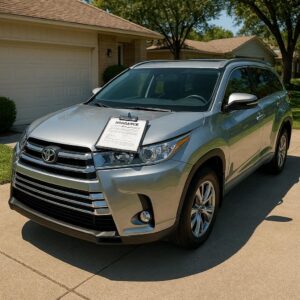
Toyota Highlander Insurance Cost
What is the Average Cost of Toyota Highlander Insurance?
Let’s start with the big picture. On a national average in the United States, insuring a Toyota Highlander tends to be moderately priced for its class—a midsize, three-row SUV. Its reputation for safety and reliability works in its favor. However, “average” is a starting point, not a destination. Your individual quote will almost certainly differ.
As a realistic benchmark, you can expect full coverage insurance (which typically includes comprehensive, collision, and state-mandated liability) to average between $1,400 and $1,800 per year. For minimum liability coverage (meeting just your state’s bare legal requirements), the average annual cost often ranges from $500 to $700.
“Insurance companies love vehicles that are safe for passengers and cost-effective to repair. The Highlander’s consistent top marks from the IIHS (Insurance Institute for Highway Safety) signal lower risk, which can translate to more favorable rates for drivers.” – Industry Risk Analyst
Cost Comparison by Trim Level
Not all Highlanders are rated the same. The trim level impacts the vehicle’s MSRP, repair costs, and even safety feature packages, all of which insurers consider.
| Toyota Highlander Trim | Relative Insurance Cost | Primary Reasons |
|---|---|---|
| LE / L | Base Rate (Most Affordable) | Lowest MSRP, standard safety features. |
| XLE / XSE | Moderately Higher | Increased value and potentially sportier styling (XSE). |
| Limited / Platinum | Highest | Highest MSRP, advanced tech, luxury materials with higher repair costs. |
| Hybrid Models | Variable (Often Competitive) | Higher initial value may increase cost, but potential discounts for eco-friendly vehicles can offset. |
The 5 Key Factors That Determine Your Premium
Understanding why you’re quoted a certain price is the first step to controlling it. Here are the core elements insurers evaluate.
1. Your Driver Profile
This is about you, not just the car. Insurers assess risk based on:
-
Age & Experience: Younger, less experienced drivers statistically face higher risks, leading to higher premiums.
-
Driving Record: A clean record with no accidents or violations is your biggest asset for a low rate. Tickets and at-fault accidents can increase costs significantly for 3-5 years.
-
Credit History (in most states): Insurers often use credit-based insurance scores, which correlate with risk. Maintaining good credit can lead to lower premiums.
-
Location: Urban areas with higher traffic density, theft rates, and claim frequency typically have higher premiums than rural areas.
2. Coverage Choices and Deductibles
The protection you select directly shapes your bill.
-
Coverage Limits: Higher liability limits (e.g., 100/300/100 vs. state minimums) provide more protection but cost more. We generally advise carrying more than the minimum.
-
Deductible Amount: This is what you pay out-of-pocket before insurance kicks in for a comprehensive or collision claim. Choosing a higher deductible (e.g., $1,000 instead of $500) will lower your premium. Only choose a deductible you can comfortably afford in an emergency.
3. The Highlander’s Safety and Claims History
The vehicle itself is a major factor. The Highlander generally scores well here:
-
Safety Ratings: Consistent IIHS Top Safety Pick+ awards and high NHTSA ratings signal lower injury risk, which insurers reward.
-
Theft Rates: The Highlander is not a commonly targeted vehicle for theft compared to some other SUVs or trucks, which helps.
-
Repair Costs: Its widespread availability of parts generally keeps repair costs reasonable, positively influencing premiums.
4. Annual Mileage and Vehicle Use
How you use your Highlander matters.
-
Low Mileage Discounts: Driving significantly less than the annual average (around 12,000 miles) can qualify you for a discount.
-
Usage: A vehicle used for a long daily commute is rated as higher risk than one used for weekend errands or occasional pleasure driving.
5. Discounts You Can Actively Pursue
Never pay the “sticker price” for insurance. Always ask about these discounts:
-
Multi-Policy (Bundling): Insure your Highlander and your home/renters policy with the same company.
-
Multi-Vehicle: Insure more than one car on the same policy.
-
Safe Driver: For maintaining a clean record over a set period.
-
Pay-in-Full: Pay your annual or six-month premium upfront instead of monthly.
-
Safety Features: For anti-lock brakes, airbags, and anti-theft systems (most are standard on the Highlander).
-
Good Student: For young drivers maintaining a strong GPA.
-
Defensive Driving Course: Completing an approved course (especially helpful for older drivers or those with a minor violation).
How to Get the Best Toyota Highlander Insurance Quote: A Step-by-Step Plan
1. Gather Your Information
Have your driver’s license, current policy (if any), and Highlander’s VIN ready. Know your desired coverage levels.
2. Compare Quotes from Multiple Carriers
Rates can vary wildly between companies. Get at least three to five quotes from a mix of:
-
Major national insurers (e.g., State Farm, Geico, Progressive, Allstate)
-
Regional carriers
-
Direct online companies
-
Independent insurance agents (who can shop multiple companies for you)
3. Analyze the Coverage, Not Just the Price
The cheapest quote may not offer the best value. Ensure you are comparing identical coverage types, limits, and deductibles.
4. Inquire About All Available Discounts
Go down the list of discounts above and explicitly ask the agent or use the online tools to check for each one.
5. Re-evaluate Periodically
Your life changes, and so should your insurance. Review your policy annually, or after major life events like moving, getting married, or a change in your credit score.
Important Note for Readers: The most accurate way to get a rate is to get a direct quote. Online averages, including those provided here, are useful guides but cannot account for your unique driver profile. Always provide accurate information when quoting; misrepresentation can lead to a denied claim or policy cancellation.
Toyota Highlander Hybrid: Special Insurance Considerations
The Hybrid model introduces unique considerations. Its higher initial purchase price can push premiums up slightly. However, this can be balanced by:
-
Potential discounts for eco-friendly or hybrid vehicles offered by some insurers.
-
The driving habits of hybrid owners often involve less aggressive driving and possibly lower annual mileage, which can be favorable.
-
Always disclose that your vehicle is a hybrid, as repair costs for specialized components (like the battery or electric motors) are factored differently.
The Impact of Model Year: New vs. Used
-
Brand New Highlander: Requires full coverage if financed/leased. Higher value means higher comprehensive/collision costs. Newer models have the latest safety tech, which may qualify for discounts.
-
Used Highlander: As the vehicle’s value depreciates, consider adjusting your coverage. If the car’s market value is low, you might consider dropping collision coverage if the cost of the coverage outweighs the potential payout. A good rule of thumb: if the annual premium for collision plus your deductible is more than 10% of the car’s value, it may be time to reconsider.
Frequently Asked Questions (FAQ)
Q1: Is the Toyota Highlander expensive to insure compared to other similar SUVs?
A: Generally, no. The Highlander is often one of the more affordable midsize SUVs to insure due to its excellent safety ratings, low theft rates, and moderate repair costs. It frequently costs less to insure than competitors like the Ford Explorer or Honda Pilot.
Q2: What is the single most effective way to lower my Highlander insurance cost?
A: Maintaining a clean driving record. While discounts help, nothing increases your premium like an at-fault accident or speeding ticket. Safe driving is the most powerful long-term cost control tool.
Q3: Do the advanced safety features on my Highlander (TSS 2.5+) lower my insurance?
A: Yes, they can. Features like Automatic Emergency Braking (AEB), Lane Departure Alert, and Adaptive Cruise Control are proven to reduce the frequency and severity of accidents. Many insurers now offer specific discounts for these verified safety technologies. Always inform your insurer about all your vehicle’s features.
Q4: Should I use my insurer’s telematics program (a driving app) to save money?
A: It can be worth trying if you are a confident, safe driver. These programs monitor habits like braking, speed, and phone use. Safe drivers can see significant discounts (often 5-15%), but risky driving could potentially lead to a surcharge. Review the program’s terms carefully.
Conclusion
The cost to insure your Toyota Highlander is a personalized calculation, shaped by who you are, how you drive, and the coverage you select. By understanding the key factors—from your driving record to your Highlander’s trim level—and actively shopping for quotes and discounts, you can secure robust protection that fits your budget. Remember, the goal is not merely the lowest price, but the best value in safeguarding your vehicle and your financial well-being on the road.
Additional Resource
For an independent assessment of your Toyota Highlander’s safety credentials, which directly influence insurance costs, visit the Insurance Institute for Highway Safety (IIHS) website. You can look up your specific model year to see its crash test ratings and safety feature evaluations: www.iihs.org