Running a tree service business is a rewarding but inherently risky profession. From operating chainsaws and chippers to working at heights and near property lines, the potential for accidents is significant. That’s where robust business insurance becomes not just a line item, but a fundamental pillar of your operation. For many owners, the pressing question is: what does tree service business insurance cost?
The answer isn’t a single figure. Your insurance premium is as unique as your business, shaped by your size, services, experience, and location. This guide will demystify the cost factors, provide realistic price ranges, and offer actionable strategies to help you secure the essential protection your business needs without overpaying.
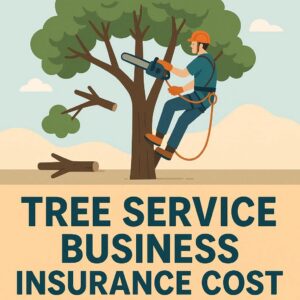
Tree Service Business Insurance Cost
Why Insurance is Non-Negotiable for Tree Care Pros
Before diving into costs, it’s crucial to understand the value. Insurance is your financial safety net. A single claim—for example, a tree falling on a client’s house, a serious injury to an employee, or damage to a city power line—could be financially devastating without proper coverage. Insurance protects your assets, your employees, and your company’s future.
“Viewing insurance purely as a cost is a mistake. For a tree service, it’s a critical investment in risk management and client confidence. It allows you to take on bigger, more profitable jobs with peace of mind.” — Industry Risk Management Specialist.
Breaking Down the Core Coverages & Their Costs
Your insurance package, often called a Business Owner’s Policy (BOP) plus endorsements, will consist of several key policies. Here’s a breakdown of each, including what they cover and their typical cost ranges.
Important Note: All cost ranges provided are national annual premium estimates for a small to medium-sized tree service business. Your actual quote will vary based on the detailed factors discussed later.
1. General Liability Insurance
This is your first line of defense against third-party claims of bodily injury or property damage.
-
What it covers: A limb damaging a roof, a pedestrian tripping over your equipment, or non-employee injury at a job site.
-
Typical Cost Range: $1,200 to $3,500+ per year.
-
Detail: This is often the baseline. Costs rise sharply if you work in dense urban areas or on high-value properties.
2. Commercial Auto Insurance
Covers vehicles used for business, like bucket trucks, chip trucks, and stump grinders.
-
What it covers: Collisions, theft, and liability if your truck is involved in an accident.
-
Typical Cost Range: $2,000 to $5,000+ per vehicle per year.
-
Detail: Heavy, specialized vehicles cost significantly more to insure than a standard pickup. Liability limits and driving records heavily influence price.
3. Workers’ Compensation Insurance
Mandatory in almost every state if you have employees. It covers medical costs and lost wages for work-related injuries or illnesses.
-
What it covers: A climber’s fall, a chainsaw injury, or long-term hearing loss.
-
Typical Cost Range: $5,000 to $15,000+ per year (for a crew of 2-3).
-
Detail: This is often your largest insurance expense. Premiums are calculated based on payroll and your company’s experience modification rate (your claims history).
4. Inland Marine / Equipment Insurance
Covers your tools and equipment whether they are at your shop, on your truck, or at a job site.
-
What it covers: Theft of chainsaws, breakdown of a chipper, or damage to a stump grinder.
-
Typical Cost Range: $750 to $2,500+ per year.
-
Detail: Cost depends on the total value of your scheduled equipment. A blanket policy for all equipment is usually more cost-effective than insuring individual items.
5. Umbrella / Excess Liability Insurance
Provides an extra layer of liability protection above the limits of your other policies.
-
What it covers: Catastrophic claims that exceed your underlying policy limits (e.g., a multi-million dollar lawsuit).
-
Typical Cost Range: $500 to $1,500+ per year for an additional $1 million in coverage.
-
Detail: This is high-value, low-cost coverage essential for businesses with significant exposure.
Comparative Table: Core Policy Cost Overview
| Policy Type | Primary Purpose | Key Cost Drivers | Estimated Annual Cost (SMB) |
|---|---|---|---|
| General Liability | 3rd-Party Property/Bodily Injury | Location, Job Size, Revenue | $1,200 – $3,500+ |
| Commercial Auto | Vehicle Accident Coverage | Vehicle Type, Driver Records, Use | $2,000 – $5,000+/vehicle |
| Workers’ Comp | Employee Workplace Injury | Payroll, Claims History, Job Risk | $5,000 – $15,000+ |
| Equipment (Inland Marine) | Tools & Machinery Protection | Equipment Value, Deductible | $750 – $2,500+ |
| Umbrella Liability | Excess Liability Limits | Underlying Policy Limits, Risk | $500 – $1,500+/$1M |
The 7 Major Factors That Determine Your Premium
Understanding what insurers evaluate helps you control your costs.
-
Services Offered: Are you just trimming, or are you doing large removals, crane work, and storm cleanup? The riskier the service, the higher the premium.
-
Business Size & Revenue: More employees and higher revenue generally mean more exposure and higher costs, especially for Workers’ Comp.
-
Claims History: A clean record is your biggest asset. Past claims, especially frequent ones, will increase your premiums dramatically.
-
Experience & Safety Record: Insurers favor businesses with seasoned, certified arborists (like ISA Certified Arborists) and documented safety programs.
-
Location: Operating in a metropolitan area with high property values and litigation rates costs more than in a rural area.
-
Coverage Limits & Deductibles: Choosing higher policy limits or lower deductibles increases your premium. Finding the right balance is key.
-
Vehicle & Equipment Fleet: The number, type, and value of your trucks and heavy machinery directly impact Auto and Equipment insurance costs.
How to Get the Best Insurance Rate: A Proactive Guide
You are not powerless against insurance costs. Implement these strategies to present a lower-risk profile to insurers.
-
Develop a Formal Safety Program. Create, document, and enforce safety protocols. Train employees regularly. This can lead to direct discounts on Workers’ Comp.
-
Invest in Training & Certification. Encourage or require crew leaders and climbers to obtain industry certifications. This demonstrates professionalism and reduces perceived risk.
-
Shop Around with Specialized Brokers. Work with an insurance agent or broker who specializes in landscaping, tree care, or contracting. They understand the industry and can access appropriate markets.
-
Bundle Your Policies. Purchasing a Business Owner’s Policy (BOP) that bundles General Liability and Property insurance, then adding other coverages, is almost always cheaper than buying policies à la carte from different carriers.
-
Consider Higher Deductibles. Opting for a higher deductible on certain policies (like Equipment insurance) can lower your annual premium, provided you can afford the out-of-pocket cost if a claim occurs.
-
Review and Adjust Coverage Annually. Don’t auto-renew without a review. Update your agent on changes in your revenue, payroll, or equipment to ensure you’re not over- or under-insured.
Conclusion
The cost of tree service business insurance is a direct reflection of your unique operational risks and the robust protections you choose to mitigate them. While annual premiums can range from $10,000 to $30,000 or more for a fully insured small to mid-sized operation, this investment is the bedrock of a sustainable, reputable, and secure business. By understanding the coverage components, actively managing your risk profile, and partnering with a knowledgeable insurance professional, you can secure the vital coverage your business needs at the most reasonable cost possible.
Frequently Asked Questions (FAQ)
Q: What is the absolute minimum insurance I need to start a tree service?
A: At a bare minimum, you will need General Liability and Commercial Auto insurance. However, if you have even one employee, Workers’ Compensation is legally required in nearly every state. Never operate without adequate liability coverage.
Q: Can I just add my business to my personal auto insurance?
A: Almost certainly not. Personal auto policies explicitly exclude commercial use. Using a personal vehicle for business (like hauling a chipper) voids coverage. You must have a separate Commercial Auto policy.
Q: How much General Liability coverage is enough?
A: Most clients and municipal contracts require a minimum of $1 million per occurrence and $2 million aggregate. For larger or riskier jobs, consider $2 million/$4 million limits. An Umbrella policy is a cost-effective way to increase these limits.
Q: Does insurance cover damage if I accidentally drop a tree on a client’s house?
A: Yes, this is a classic example of what your General Liability insurance is designed to cover—third-party property damage.
Q: Are there any industry associations that offer better insurance rates?
A: Yes. Joining associations like the International Society of Arboriculture (ISA) or the Tree Care Industry Association (TCIA) often provides access to group insurance programs with competitive, pre-negotiated rates for members.
Additional Resources
-
International Society of Arboriculture (ISA): Offers safety resources, arborist certification, and often has information on risk management and insurance for members. Visit the ISA website
-
Tree Care Industry Association (TCIA): Provides extensive business support, including safety accreditation programs (TCIA Accreditation) that are highly regarded by insurance companies. Visit the TCIA website
-
Your State’s Workers’ Compensation Board: For official rules and requirements regarding Workers’ Comp insurance in your specific state.