Navigating the world of youth sports involves more than just practices and games. It requires careful planning to protect the young athletes, volunteer coaches, and the organization itself from unforeseen events. A critical component of this planning is securing the right insurance—a step that often comes with many questions, especially about cost. This guide will provide a clear, detailed, and realistic breakdown of youth sports team insurance costs, empowering you to make informed decisions for your team or league.
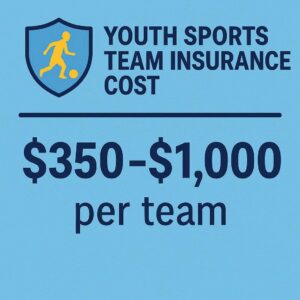
Youth Sports Team Insurance Cost
What is Youth Sports Team Insurance and Why is it Non-Negotiable?
Youth sports team insurance is a specialized set of coverages designed to manage the risks inherent in organized athletic activities. It is not merely an optional administrative task; it is a fundamental pillar of responsible stewardship for any youth sports organization.
“Insurance is the silent safety net that allows kids to play, coaches to teach, and leagues to operate with confidence. Its cost isn’t an expense; it’s an investment in the program’s very survival.” – A Seasoned League Administrator.
Without proper coverage, a single significant injury or lawsuit could financially devastate a volunteer-run league, lead to personal liability for its board members, and ultimately end the program for the entire community. Insurance ensures that when accidents happen—and they do—the focus can remain on care and recovery, not on financial ruin.
Core Types of Coverage: Building Your Safety Net
Understanding the different types of insurance is the first step to understanding the cost. Most leagues need a combination of the following:
1. Accident/Medical Insurance:
This is often the most recognizable coverage. It helps pay for medical expenses (like ambulance fees, emergency room visits, X-rays, and physical therapy) when a participant is injured during a covered activity. It typically acts as a secondary payer, meaning it covers costs not paid by the family’s primary health insurance, including deductibles and co-pays.
2. General Liability Insurance:
This is the cornerstone of protection for the organization. It covers third-party claims of bodily injury or property damage for which the league or its volunteers are found legally responsible.
-
Example: A spectator trips over a loose piece of equipment in the dugout and breaks an ankle, or a wild throw during warm-ups breaks a car windshield in the parking lot.
3. Directors & Officers (D&O) Liability Insurance:
This protects the league’s board members and volunteers from personal financial loss if they are sued for alleged “wrongful acts” in managing the organization. This can include claims of mismanagement of funds, failure to follow bylaws, negligence in supervision, or wrongful suspension of a player.
4. Equipment & Property Insurance:
This covers the league’s physical assets—such as lawn mowers, pitching machines, concession stand equipment, uniforms, and sheds—against theft, fire, vandalism, or certain weather-related damage.
Breaking Down the Cost: Key Factors and Premium Estimates
The cost of youth sports insurance is not a one-size-fits-all number. Premiums are calculated based on a nuanced assessment of risk. Here are the primary factors insurers evaluate:
1. Type of Sport (Risk Level):
Sports are classified by risk level, directly impacting premium costs.
-
Low-Risk: Baseball, softball, track & field, volleyball.
-
Moderate-Risk: Soccer, basketball, cheerleading (non-tumbling).
-
High-Risk: Football, lacrosse, hockey, gymnastics, wrestling.
2. Number of Participants:
This is a primary driver of cost. Insurers need to know the total number of athletes, coaches, and volunteers to be covered. Premiums are often calculated on a “per participant” basis.
3. Geographic Location:
Costs can vary by state and even by region due to local legislation, the frequency of lawsuits, and general medical costs in the area.
4. Coverage Limits and Deductibles:
-
Limits: Higher coverage limits (e.g., $2 million per occurrence vs. $1 million) will cost more. Common general liability limits are $1M/$3M (per occurrence/aggregate).
-
Deductibles: A higher deductible (the amount you pay out-of-pocket on a claim) will lower your premium. Choosing a deductible is a balance between cash flow and risk tolerance.
5. League Operations & Safety Protocols:
Does your league require background checks for all volunteers? Do coaches have certification in first aid/CPR? Are there strict concussion protocols in place? Demonstrating robust risk management can sometimes lead to more favorable rates.
Estimated Cost Ranges
The following table provides a realistic snapshot of average annual premium ranges for a youth sports league. These are estimates; actual quotes will vary.
| Coverage Type | Typical Coverage Limits | Estimated Annual Cost Range | Basis of Cost |
|---|---|---|---|
| Accident/Medical | $25,000 – $100,000 per injury | $12 – $45 per participant | Per player/participant |
| General Liability | $1,000,000 per occurrence / $3,000,000 aggregate | $450 – $1,500+ for the league | Flat league fee + per team/participant variables |
| Directors & Officers | $1,000,000 aggregate | $300 – $900 for the league | Flat league fee |
| Equipment/Property | Varies by value of items | $250 – $800+ for the league | Based on total insured value |
Important Note: Many insurers offer packaged policies specifically for youth sports that bundle General Liability and Accident insurance (and sometimes D&O) together at a combined per-participant rate. This is often the most cost-effective and streamlined approach. A bundled package for a moderate-risk sport like soccer might range from $20 to $75 per participant for the season, encompassing core coverages.
How to Get the Best Coverage for Your Budget
Securing the right insurance at a fair price requires a proactive approach.
1. Shop Around and Compare:
Get quotes from at least three different providers specializing in youth sports. Don’t just compare price—compare coverage details, exclusions, and customer service reputations.
2. Work with a Sports-Specialized Broker:
An independent broker who understands youth sports can be invaluable. They have access to multiple insurance carriers and can help you navigate policy language to find the best fit for your unique needs.
3. Ask the Right Questions:
-
Are volunteers automatically covered?
-
Does coverage extend to fundraisers, banquets, and travel?
-
Are there exclusions for certain activities (e.g., overnight trips)?
-
What is the claims process, and how quickly are claims typically handled?
-
Are there any discounts for risk management practices?
4. Consider a Participant Fee:
The most common way to fund insurance is to incorporate it into the player registration fee. Be transparent with parents about what portion of their fee is allocated to insurance—it demonstrates professionalism and responsibility.
5. Review Annually:
Your league’s needs change. Before automatically renewing, reassess your participant count, asset values, and any new activities. Contact your provider to update your policy accordingly.
A Step-by-Step Action Plan for Your League
-
Form a Committee: Assign insurance research to a dedicated board member or small group.
-
Gather Data: Know your exact participant numbers (from last season and projected), list of all volunteer roles, and an inventory of all owned equipment/property with approximate values.
-
Define Needs: Decide on desired coverage types and minimum limits. Prioritize General Liability and Accident coverage as essentials.
-
Get Quotes: Reach out to specialized insurers and brokers with your data in hand.
-
Compare & Decide: Evaluate options side-by-side. Present recommendations to the full board for a vote.
-
Communicate: Once purchased, clearly communicate the coverage details to coaches and parents. Make the insurance certificate easily accessible.
Additional Resource: For a deeper dive into risk management strategies and safety plans, visit the National Alliance for Youth Sports (NAYS) website. They offer excellent resources for creating a safer sports environment.
Frequently Asked Questions (FAQ)
Q: Can we just have parents sign a waiver instead of buying insurance?
A: Waivers are important risk management tools, but they are not a substitute for insurance. They can be challenged in court (especially for negligence), and they do not pay for medical bills or legal defense costs. Insurance and waivers work best together.
Q: Are volunteer coaches covered if they get sued?
A: Yes, if your General Liability policy is correctly structured. It should provide coverage for the league’s employees and volunteers acting within the scope of their duties. Always confirm this explicitly with your insurer.
Q: What is the single most important coverage for a new league?
A: A packaged policy that includes General Liability and Accident/Medical coverage is the absolute essential foundation. Without it, your league and its volunteers are exposed to catastrophic financial risk.
Q: Does insurance cover COVID-19 or other communicable diseases?
A: This is highly specific to the policy. Most standard liability policies exclude claims arising from the transmission of communicable diseases. You must ask your provider about any available endorsements or separate policies for this exposure.
Q: How do we file a claim?
A: Your insurance provider will give you a specific process. Immediately notify your league president and insurance contact of any incident. They will guide you through the necessary steps, which usually involve filling out an incident report form promptly. Never admit fault or make promises about payment.
Conclusion
Understanding youth sports team insurance cost requires looking beyond the premium to the value of the protection it provides. By assessing your league’s specific risk profile, comparing tailored quotes, and prioritizing essential coverages, you can secure a robust safety net that is both cost-effective and comprehensive. This prudent investment safeguards your young athletes, protects your volunteers, and ensures the long-term stability of the community sports program.
Disclaimer: This article is for informational purposes only and does not constitute professional insurance or legal advice. Policy terms, conditions, and exclusions vary significantly. Please consult with a licensed insurance professional or broker to discuss the specific needs and circumstances of your youth sports organization.