If you live in New Jersey, you know that life moves fast here. Whether you are commuting on the Turnpike, cruising down the Parkway, or dropping the kids off in a quiet suburb, your car is a lifeline. But that lifeline comes with a mandatory cost: auto insurance.
If you have ever looked at your bill and wondered, “Am I paying too much?” you are not alone. The average cost of auto insurance in New Jersey is a hot topic because it hits the wallet of nearly every driver in the state. The numbers can feel confusing, and they vary wildly from one driver to the next.
This guide is designed to clear up the confusion. We will look at real numbers, explain why rates differ, and give you the tools to find the best coverage for your situation. Let’s break it down together.
Just How Much Are New Jersey Drivers Paying?
Before we dive into the nitty-gritty, let’s look at the big picture. New Jersey is a unique state for insurance. It offers beautiful scenery and dense urban centers, but it also has a reputation for high premiums.
So, what is the magic number?
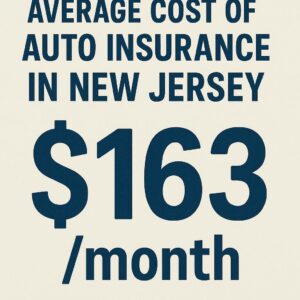
As of 2024, the average cost of auto insurance in New Jersey hovers around $1,900 to $2,100 per year for a full coverage policy. For a state minimum policy, drivers might pay closer to $1,200 to $1,400 annually.
However, it is crucial to understand that this is just a baseline. It is a starting point for conversation. Depending on where you live, your actual rate could be significantly higher or lower.
New Jersey vs. The Rest of the Country
To put these numbers in perspective, let’s look at how the Garden State stacks up against the national average.
| Coverage Type | New Jersey Average (Annual) | National Average (Annual) | Difference |
|---|---|---|---|
| Full Coverage | $2,000 | $1,700 | +$300 |
| Minimum Coverage | $1,300 | $700 | +$600 |
As you can see, New Jersey drivers typically pay more than the average American. Why? We will get to that shortly. But first, it is important to remember that these figures are averages. They represent thousands of data points, not your specific wallet.
Note: The difference in minimum coverage costs is particularly stark. This is because New Jersey has specific insurance laws and requirements that differ from many other states, which we will explore later.
Why Is Car Insurance So Expensive in New Jersey?
It is easy to get frustrated when you see your bill. But understanding the “why” behind the price tag can help you make better decisions. Several factors push New Jersey’s rates above the national curve.
1. It’s a Dense State
New Jersey is the most densely populated state in the nation. More people in a small area means more cars on the road. More cars mean a higher chance of accidents. Insurance companies calculate risk based on statistics, and dense areas statistically have more fender benders and major collisions.
2. Cost of Repairs and Medical Care
When an accident happens in New Jersey, two things are often expensive: fixing the car and fixing the people.
-
Repairs: We drive a lot of modern vehicles with expensive sensors and technology. A minor bump that used to require a new bumper now might require recalibrating cameras and sensors.
-
Medical Costs: New Jersey has high medical costs. Since auto insurance often covers medical bills through Personal Injury Protection (PIP), insurers have to account for these high healthcare prices when setting your rate.
3. High Rate of Fraud
This is an unfortunate reality. The state has historically struggled with “staged accidents” and fraudulent medical claims. While laws have been passed to combat this, the legacy of fraud means insurance companies remain cautious, which keeps premiums higher for everyone.
4. Weather Risks
From Nor’easters to heavy snowfalls and severe thunderstorms, New Jersey weather can be tough on cars. Hail, falling trees, and slick roads all lead to insurance claims, and those claims are factored into the cost of your policy.
Breaking Down the Numbers by City
One of the biggest myths in insurance is that your driving record is the only thing that matters. In reality, your zip code is one of the most powerful factors determining your rate.
Insurance companies look at the specific risks in your neighborhood. Is it an urban area with high traffic and theft? Or a rural area with fewer cars? Let’s look at how location changes the average cost of auto insurance in New Jersey.
| City | Average Annual Premium (Full Coverage) | Key Factors |
|---|---|---|
| Newark | $2,800+ | High population density, higher crime rates, heavy traffic. |
| Jersey City | $2,600+ | Urban environment, proximity to NYC, high traffic volume. |
| Paterson | $2,500+ | Urban congestion and statistical risk factors. |
| Trenton | $2,400+ | State capital with a mix of urban and commuter traffic. |
| Elizabeth | $2,400+ | Port authority traffic and dense population. |
| Atlantic City | $2,200+ | Tourist traffic and coastal location (wind/storm risk). |
| Camden | $2,300+ | Urban density and associated risks. |
| Clifton | $1,900+ | Suburban mix, but proximity to major highways. |
| Cherry Hill | $1,750+ | Suburban area in South Jersey with lower density. |
| Toms River | $1,800+ | Suburban/coastal, but benefits from lower density than the north. |
| Hamilton | $1,700+ | More suburban feel, moderate commuting risk. |
| Princeton | $1,650+ | Affluent area with generally lower crime and cautious drivers. |
| Vineland | $1,600+ | More rural setting in South Jersey, fewer claims. |
As you move from the dense urban cores of North Jersey to the more sprawling suburbs and rural areas in the South and West, the average cost tends to drop.
The Driver Profile: How You Change the Price
Location is just the start. Your personal profile is the next big piece of the puzzle. Insurers want to know who they are insuring, and they use data to predict how likely you are to file a claim.
Age and Experience
Age is one of the most predictable factors in insurance pricing.
-
Teen Drivers (16-19): Brace yourself. Adding a teenager to a policy can more than double your premium. They lack experience and statistically have higher accident rates.
-
Young Adults (20-25): Rates start high but begin to drop steadily as you build a clean driving record.
-
Middle-Aged Drivers (25-55): This is the “sweet spot” for insurers. Drivers in this group are seen as experienced and stable, usually resulting in the lowest rates.
-
Seniors (65+): Rates may begin to creep up again slightly as reaction times and other factors become a consideration for insurers.
Your Driving Record
This is the most direct way you control your insurance costs.
-
Clean Record: You get the best rates.
-
One Speeding Ticket: Your rate could increase by 20-30%.
-
At-Fault Accident: Expect a hike of 40-50% or more.
-
DUI: This is a major red flag. A DUI in New Jersey can cause your rates to skyrocket by 100% or more, and you may be required to file an SR-22 form.
Credit Score
In New Jersey, insurance companies are allowed to use your credit-based insurance score to determine rates. Statistically, people with good credit file fewer claims. This means a good credit score can save you hundreds of dollars a year, while a poor score can increase your premium significantly.
Important: While insurers use credit, they must also offer non-payment options for those with lower income. It is always worth asking about discounts if you are concerned about your credit history.
Minimum Coverage vs. Full Coverage
When shopping for insurance, you will face a fundamental choice: how much to buy. Understanding the difference between the state minimum and a full coverage policy is essential.
What Does New Jersey Require?
New Jersey is a “no-fault” state. This means your insurance pays for your injuries regardless of who caused the accident. To legally drive here, you must carry:
-
Liability Insurance:
-
Bodily Injury: $15,000 per person / $30,000 per accident.
-
Property Damage: $5,000 per accident.
-
-
Personal Injury Protection (PIP): $15,000 (This covers your medical expenses).
This is the absolute minimum you can carry. While it keeps your monthly payment low, it leaves you financially exposed.
The Risk of Minimum Coverage
Imagine you cause an accident that totals a brand new car. That car is worth $40,000. Your state minimum property damage coverage is only $5,000. You would be personally responsible for the remaining $35,000.
“Buying the state minimum is like wearing a raincoat in a hurricane. It might cover a tiny bit, but you are going to get soaked.”
What is Full Coverage?
“Full coverage” isn’t a legal term, but in the insurance world, it generally means:
-
Liability: Higher limits than the state minimum (e.g., $100,000/$300,000).
-
Collision: Pays to repair your car after an accident, regardless of fault.
-
Comprehensive: Pays for damage to your car from things other than a collision, like theft, fire, hail, or hitting a deer.
For most people, especially if you have a car loan or lease, full coverage is required by the lender. Even if you own your car outright, it is often worth the peace of mind.
How to Lower Your Premium
Feeling the pinch? You are not powerless. There are proven ways to lower the average cost of auto insurance in New Jersey for your specific situation.
1. Shop Around (This is Non-Negotiable)
Rates vary wildly from company to company. One insurer might love your profile, while another sees you as a risk. Get quotes from at least three different companies.
-
National Carriers: GEICO, Progressive, State Farm, Allstate.
-
Regional Specialists: NJM Insurance Group (highly rated and exclusive to NJ/PA), Palisades Insurance.
2. Ask About Discounts
You might be sitting on savings you don’t know about. Common discounts include:
-
Multi-Policy: Bundle your home or renters insurance with your auto policy.
-
Multi-Car: Insure more than one vehicle on the same policy.
-
Good Driver: Maintain a clean record for a certain number of years.
-
Good Student: If you have a young driver on the policy who gets good grades (usually a B average or better).
-
Defensive Driving Course: Completing an approved course can get you a discount, especially for seniors.
-
Paid-in-Full: If you can pay your six-month or annual premium upfront, you often save on installment fees.
3. Raise Your Deductible
The deductible is what you pay out of pocket before insurance kicks in. If you raise your deductible from $500 to $1,000, your premium will drop. Just make sure you have that $1,000 saved in an emergency fund if you need it.
4. Consider Usage-Based Insurance
Programs like Progressive’s Snapshot or Allstate’s Drivewise use a mobile app or a device in your car to track your driving habits. If you drive smoothly, avoid hard braking, and don’t drive late at night, you can earn significant discounts.
A Complete List of Money-Saving Tips
Sometimes a simple checklist is the best tool. Here is a summary of actionable steps you can take today.
-
Review your policy annually: Don’t just auto-renew. Life changes, and your rates should reflect that.
-
Check your coverage limits: As your car ages, you might consider dropping collision/comprehensive if the premium is higher than the car’s value.
-
Improve your credit: Paying bills on time can have a positive impact on your insurance score over time.
-
Drive safely: This is the simplest, most effective long-term strategy.
-
Ask about low-mileage discounts: If you work from home or drive very little, tell your insurer. You might qualify for a discount.
Frequently Asked Questions (FAQ)
Q: Is New Jersey an at-fault or no-fault state?
A: New Jersey is a no-fault state. This means you turn to your own insurance policy (specifically your Personal Injury Protection, or PIP) to cover medical expenses after an accident, regardless of who caused it.
Q: How does my credit score affect my car insurance in NJ?
A: Insurers in New Jersey are permitted to use a credit-based insurance score to help determine your premium. Statistically, a higher credit score correlates with fewer claims, so maintaining good credit can lead to lower rates.
Q: What is the NJ “Temporary Budget” auto insurance option?
A: This is a program designed to make insurance more affordable for low-income drivers who meet specific eligibility requirements. It offers lower-cost policies with reduced coverage limits. You can check the state’s official website or ask your agent if you qualify.
Q: Does the color of my car affect my insurance rate?
A: No. This is a common myth. The color of your vehicle has no impact on your insurance premium. Insurers care about the make, model, year, engine size, and safety rating of the car, not its color.
Q: I’m moving to New Jersey from another state. What should I know?
A: Welcome! You must register your vehicle and get a New Jersey license within 60 days of moving. Be prepared for potentially higher rates than you are used to, and make sure to shop for a new policy immediately, as your old policy may not provide adequate coverage in NJ.
Additional Resource
For official information and consumer resources, the New Jersey Department of Banking and Insurance (DOBI) is an excellent place to verify a company’s license or get help with a complaint.
[Visit the New Jersey DOBI Website] (Link: https://www.nj.gov/dobi/index.shtml)
Conclusion
Finding the best rate on the average cost of auto insurance in New Jersey is a personal journey. It depends on where you live, what you drive, and who you are as a driver. While the statewide average might hover around $2,000, your number could be lower with smart shopping and safe habits. Remember to review your policy regularly, ask about discounts, and never stop comparing quotes.