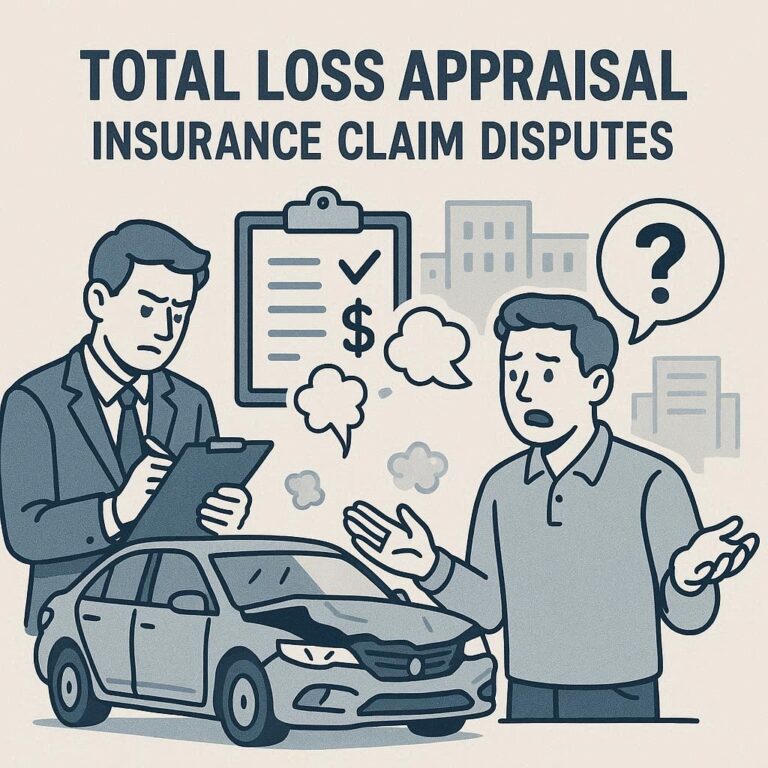
You get the letter or the phone call. The other driver’s insurance company says they are denying your claim. Maybe they claim their client is not at fault. Maybe they say the policy expired. Or they give a vague reason that makes no sense.
It feels frustrating. It also feels unfair. You did nothing wrong. The other driver caused the crash. But now their insurer refuses to pay.
Take a deep breath. This situation happens more often than you think. The good news is that a denial is not always the end of the road. You still have options. In this guide, I will walk you through exactly what to do when an at fault driver insurance denied claim leaves you confused and worried.
We will cover why denials happen, how to fight back, and when to bring in help. You will learn practical steps to protect yourself. Let us get started.
Why Would an Insurance Company Deny a Valid Claim?
Insurance companies are businesses. They make money by collecting premiums and paying out as little as possible. That does not mean they are evil. But it does mean they will look for valid reasons to deny or reduce a claim.
When the at fault driver insurance denied claim process hits you, the first step is understanding the “why.” Below are the most common reasons.
Disputing Liability
The most frequent reason for denial is a disagreement over who caused the crash. The at-fault driver may tell their insurance a different story. They might claim you ran a red light. Or they might say you rear-ended them.
If the insurer believes their driver is not at fault, they will deny your claim. They will tell you to file with your own insurance instead.
Lack of Coverage
Sometimes the driver has no valid insurance. Their policy might have lapsed due to non-payment. Or they might have only purchased liability coverage that is too low to cover your damages.
In some cases, the driver is specifically excluded from the policy. For example, if a teenager was driving a parent’s car but was excluded by name, the insurer can deny the claim.
Late Reporting or Policy Violations
Insurance policies require prompt reporting of accidents. If the at-fault driver waited weeks to report the crash, their insurer might deny coverage. Other violations include using the vehicle for rideshare without proper commercial insurance.
Intentional Acts
If the at-fault driver intentionally hit you, insurance will not cover it. Intentional harm is almost always excluded. You would need to pursue the driver personally in court.
Staged Accidents or Fraud Suspicion
Insurers watch for fraud. If something about your claim looks suspicious, they might deny it while investigating. This can happen even when you are the innocent victim.
Important note: A denial based on suspicion is not a final decision. You can push back with evidence.
First Steps After an At Fault Driver Insurance Denied Claim
You just received the denial. Do not panic. Do not accept it as final. Follow these steps in order.
Step 1: Read the Denial Letter Carefully
The letter will state a reason. Look for exact policy language. Check for deadlines. Some denials give you 30 or 60 days to appeal. Mark that date on your calendar.
Look for words like “disclaimer,” “exclusion,” or “no coverage.” If the reason is vague, call the claims adjuster and ask for a written explanation.
Step 2: Gather Your Evidence
You will need to prove the other driver was at fault. Collect everything:
- Police report (most important document)
- Photos from the accident scene
- Witness names and phone numbers
- Dashcam footage if available
- Your own photos of vehicle damage
- Repair estimates
- Medical records if you were injured
Create a timeline of events. Write down everything you remember while it is fresh.
Step 3: Contact Your Own Insurance Company
Many people hesitate here. They think “why should my insurance pay when it was not my fault?” But your policy likely includes coverage that can help.
File a claim with your own insurer if you have:
- Collision coverage: Pays for your car repairs minus your deductible.
- Uninsured/underinsured motorist coverage: Pays when the at-fault driver has no insurance or too little.
Your insurance will then pursue the at-fault driver and their insurer. This is called subrogation. If they recover the money, you may get your deductible back.
Step 4: Request a Formal Appeal
Most insurers have an internal appeals process. Send a written request for reconsideration. Attach your evidence. Be polite but firm. State clearly why the denial is wrong.
Address your letter to the claims manager, not just the adjuster. Use certified mail so you have proof of delivery.
Common Denial Scenarios and How to Handle Them
Let us look at real-world situations. Each one requires a different response.
Scenario A: The Insurer Says “Our Driver Is Not at Fault”
This is a liability dispute. The adjuster believes their client’s version of events.
What to do:
- Provide the police report. Officers often note who caused the crash.
- Get a written statement from any witness.
- If you have dashcam video, send a copy.
- Request a copy of the other driver’s statement to their insurer. See if it contradicts physical evidence.
If the adjuster still denies, you may need to file with your own collision coverage. Let your insurer fight the liability battle for you.
Scenario B: “The Policy Had Lapsed”
The driver did not pay their bill. Their insurance cancelled before the crash.
What to do:
- Check if you have uninsured motorist coverage. In many states, this covers you even if the other driver had no insurance.
- If you do not have that coverage, you can sue the driver personally. This is hard because they likely have no money. But a judgment can lead to wage garnishment in some cases.
- Some states have a guaranty fund for uninsured accidents. Check with your state insurance department.
Scenario C: “You Waited Too Long to Report”
The at-fault driver delayed reporting. Now their insurer denies based on late notice.
What to do:
- This denial is between the insurer and their client. It does not erase the driver’s legal responsibility.
- Pursue the driver directly in small claims or civil court.
- Ask your insurance to step in if you have uninsured motorist coverage. Many policies treat a coverage denial as equivalent to no insurance.
Scenario D: “Your Damages Are Not Covered”
Sometimes the policy has specific exclusions. For example, the driver’s personal auto policy might exclude business use. If they were delivering pizza at the time, the insurer can deny.
What to do:
- Again, this affects the driver’s coverage, not your right to compensation.
- Sue the driver personally.
- Use your own underinsured motorist coverage if the driver’s policy would have paid but for the exclusion.
Comparison Table: Your Options When the At-Fault Driver’s Insurance Denies
| Option | Best For | Pros | Cons |
|---|---|---|---|
| Appeal to the same insurer | Clear errors or missing evidence | No cost, relatively fast | Low success rate if denial is legitimate |
| Use your collision coverage | Anyone with full coverage | Immediate repair money, your insurer handles the fight | You pay deductible, possible premium increase |
| Use uninsured motorist coverage | Injuries and property damage in some states | Covers you when other driver has no insurance | Not available in all states, may have lower limits |
| Sue the at-fault driver | Cases with clear fault and a driver who has assets | Full compensation possible | Time-consuming, driver may have no money |
| Hire a lawyer | Serious injuries or high property damage | Higher chance of success, no upfront cost in many cases | Lawyer takes 30-40% of settlement |
How to Appeal a Denial: Step-by-Step
You decided to fight the denial directly. Here is exactly how to build your appeal.
Write a Formal Appeal Letter
Your letter should include:
- Your name, claim number, and date of loss
- A clear statement: “I am appealing your denial dated [date]”
- The reason they gave for denial
- Why that reason is wrong, with evidence
- A request for a final written decision
Sample language:
“Your denial states that your insured was not at fault for the March 10, 2025 accident. However, the attached police report (page 2) cites your insured for failure to yield. I also enclose a witness statement from Jane Doe, who saw your insured run the red light. Based on this evidence, I request that you reverse your liability decision.”
Send Your Letter Correctly
Use certified mail, return receipt requested. Keep a copy of everything. Also fax or email if the adjuster accepts digital files. But always keep the paper trail.
Follow Up
Call after 10 business days. Ask for a supervisor if the adjuster is unhelpful. Document every call: date, time, name of person you spoke with, and what they said.
If the Appeal Fails
You have two choices. Accept the denial or move to the next option: external help.
External Help: When to Bring in Reinforcements
Sometimes you cannot win alone. Here is who can help.
Your State Insurance Department
Every state has an office that regulates insurance companies. They handle complaints about unfair claims practices. If the insurer denied your claim in bad faith, file a complaint.
What bad faith looks like:
- Denying without a reasonable investigation
- Ignoring evidence you provided
- Delaying for no good reason
- Misrepresenting policy language
The insurance department can investigate and order the company to reconsider. They cannot force payment, but their pressure often works.
Hire a Lawyer
You need a lawyer if:
- You have serious injuries (broken bones, head trauma, permanent damage)
- The property damage is over $10,000
- The denial involves complex legal issues like policy exclusions
- The insurer is acting in bad faith
Most personal injury lawyers work on contingency. You pay nothing upfront. They take a percentage of what they recover for you. That percentage is usually 30% to 40%.
What a lawyer can do that you cannot:
- File a lawsuit against the at-fault driver
- Take depositions from witnesses
- Hire accident reconstruction experts
- Negotiate from a position of power
Small Claims Court
For smaller amounts (limits vary by state, typically 5,000to10,000), you can sue the at-fault driver yourself. No lawyer required. You present your evidence to a judge.
This works well when the driver has insurance but their company denied. The driver will likely call their insurer, who may settle quickly to avoid court.
How Your Own Insurance Can Save the Day
Many people do not realize how valuable their own policy is. Let me explain each relevant coverage.
Collision Coverage
This pays to fix or replace your car regardless of fault. When the at-fault driver’s insurance denies, collision is your best friend.
The downside: You pay your deductible. But your insurer will try to get that money back from the at-fault driver. If they succeed, you get reimbursed.
Will my premium go up? It depends on your state and insurer. Some do not raise rates for not-at-fault claims. Others do. Ask your agent before filing.
Uninsured Motorist (UM) Coverage
UM pays for your bodily injuries when the at-fault driver has no insurance. In some states, it also covers property damage (UMPD).
A denial based on a lapsed policy counts as “no insurance” in most places. So does a denial based on an excluded driver.
Important: UM coverage is not automatic. You must have selected it when buying your policy. Check your declarations page.
Medical Payments Coverage (MedPay)
This covers your medical bills no matter who caused the accident. It has low limits (usually 1,000to10,000) but pays quickly. Use it while you fight the at-fault insurer.
What If the At-Fault Driver Had Insurance, but It Is Not Enough?
This is called an underinsured motorist claim. The at-fault driver’s policy has limits, but your damages exceed those limits.
Example: The other driver has 25,000inliabilitycoverage.Youhave50,000 in medical bills. Their insurer pays the $25,000 and stops. You need more.
Your underinsured motorist coverage (UIM) kicks in. It pays the difference up to your policy limits. You will need permission from your insurer before accepting the at-fault insurer’s payment. Do not sign anything without talking to your agent first.
Protecting Yourself Before an Accident Happens
You are reading this because you are already in a tough spot. But for future reference, here is how to avoid this nightmare.
Buy the Right Coverage
Minimum liability insurance is not enough. Add these:
- Collision with a low deductible ($500 or less)
- Uninsured/underinsured motorist with limits matching your liability coverage
- Medical payments or personal injury protection (PIP)
Document, Document, Document
After any accident, even a minor one:
- Take photos from multiple angles
- Get the other driver’s insurance card (photo of front and back)
- Take a photo of their license plate and driver’s license
- Find independent witnesses
- Call the police. Always. Even for small crashes.
Consider a Dashcam
A $100 dashcam can save you thousands of dollars. It removes the “he said, she said” problem entirely. Insurers cannot argue with video.
Quote from a Real Claims Adjuster (Anonymous)
“People think we deny claims for fun. We don’t. But we also don’t pay if there’s a legitimate reason not to. The biggest mistake I see is that victims give up too easily. If you have evidence, send it. Appeal. Call a supervisor. The squeaky wheel really does get the grease in this business.”
What Not to Do After a Denial
Avoid these common mistakes.
Do Not Accept the First Denial as Final
Many people say “oh well” and move on. That is often a mistake. Internal appeals work sometimes. External complaints work other times. Always push back at least once.
Do Not Lie or Exaggerate
Never fabricate evidence. Never lie about your injuries. If you get caught, your entire claim becomes worthless. Insurers share information through databases. One lie can blacklist you.
Do Not Sign a Release Without Legal Advice
If the insurer offers you a small amount to go away, read the fine print. Most releases say you give up all future claims. Once you sign, you cannot sue for more money later.
Do Not Wait
Statutes of limitations apply. In most states, you have 2-3 years to file a lawsuit for a car accident. The clock starts on the date of the crash. If you wait too long, you lose your right to sue forever.
State-by-State Differences
Insurance laws vary dramatically by state. Here are key differences that affect denied claims.
No-Fault States
In no-fault states (Florida, Michigan, New York, and about ten others), you first claim from your own insurance regardless of fault. You can only sue the at-fault driver for serious injuries.
If you live in a no-fault state and the at-fault driver’s insurance denies, it may not matter. Your own PIP coverage pays your medical bills first.
Fault States
In fault states (most of the US), the at-fault driver’s insurance is primary. A denial is a bigger problem because you cannot automatically use your own coverage unless you have collision or UM.
States with UMPD
Some states require insurers to offer uninsured motorist property damage (UMPD). This pays for your car repairs when the other driver has no insurance. UMPD often has no deductible.
States with mandatory UMPD offer: Maryland, Louisiana, South Carolina, and several others. Check your state’s requirements.
Helpful Checklist: At Fault Driver Insurance Denied Claim
Use this checklist to track your actions.
- Read the denial letter. Note the reason and deadline.
- Gather all evidence: police report, photos, witness statements.
- Call the adjuster for a clearer explanation.
- File a claim with your own collision or UM coverage.
- Write a formal appeal letter. Send it certified mail.
- Wait 10-15 business days. Follow up by phone.
- If appeal fails, file a complaint with your state insurance department.
- Consult a lawyer for serious injuries or high damages.
- Consider small claims court for amounts under your state’s limit.
- Do not let the statute of limitations expire.
Long-Term Consequences of a Denied Claim
Beyond the immediate frustration, a denied claim can affect you in other ways.
Credit and Financing
If you cannot afford repairs, you may need a loan. A denied claim does not directly hurt your credit. But unpaid medical bills sent to collections will. Stay on top of all bills. Negotiate payment plans with hospitals.
Future Insurance Rates
Some insurers will see a denied claim on your CLUE report (Comprehensive Loss Underwriting Exchange). They might raise your rates even though you were not at fault. Shop around if this happens. Other insurers may not care.
Emotional Toll
Dealing with a denied claim adds stress to an already difficult situation. You were hurt or your car was damaged. Now you have to fight an insurance company. It is okay to feel angry. But channel that energy into productive action. Do not let it consume you.
Additional Resource
For free, unbiased help understanding your rights, visit the National Association of Insurance Commissioners (NAIC) consumer education page. They provide state-specific guides on how to file complaints and what to do after a claim denial.
[Link placeholder: Insert your actual NAIC or state insurance department link here]
Conclusion
An at-fault driver’s insurance denial feels like a dead end, but it is often just a detour. Start by understanding why they denied you. Then appeal with evidence, use your own coverage, or seek outside help. Most importantly, do not give up too soon—many denials can be reversed with persistence and the right strategy.
Frequently Asked Questions (FAQ)
1. Can an at-fault driver’s insurance deny my claim even if the police report says they caused the accident?
Yes. Police reports are strong evidence, but insurers can still dispute liability. They might argue the officer did not witness the crash or that new evidence changes things. An appeal with additional proof can sometimes overturn the denial.
2. Will my insurance go up if I file a claim after the other driver’s insurance denies?
It might. Some insurers do not raise rates for not-at-fault claims, but others do. Ask your agent before filing. Sometimes paying for repairs yourself is cheaper than a long-term rate increase.
3. How long does an insurance company have to respond to an appeal?
Most states require a response within 15 to 30 business days. If you do not hear back, follow up in writing. You can also file a complaint with your state insurance department for unreasonable delays.
4. Can I sue the at-fault driver personally if their insurance denies?
Yes. The driver is always responsible for the harm they cause. Insurance is just their payment method. If the insurer denies, you can sue the driver directly. But if they have no personal assets, a judgment may be hard to collect.
5. What is bad faith denial, and can I sue for it?
Bad faith means an insurer unreasonably denies or delays payment without a valid basis. You can sue the insurance company for bad faith in many states. Damages can include the original claim amount plus penalties and legal fees. This requires a lawyer.
6. Should I always hire a lawyer after a denial?
Not always. For small claims under $5,000, a lawyer’s fee may exceed what you recover. Try your own appeal and small claims court first. For serious injuries or complex coverage issues, a lawyer is worth the cost.